
Share
Share

The Power Of Eyelid Surgery
Worried about tired eyes? Under eye bags, dark circles, and puffiness won’t go away? Dissatisfied with droopy eyes and sagging skin? These are all issues some adults face, especially with age. Many adults experience these changes naturally due to genetics. Eyelid surgery, also called blepharoplasty, is an innovative procedure that addresses common concerns and much more. Through small incisions in and around the eyelids, a cosmetic surgeon can lift, tighten, and refresh the eyes. For the best results, surgeons must ensure patients have the best procedure. Patients can get an upper or lower blepharoplasty. Understanding the difference and which option works best leads to fantastic results.
What is upper blepharoplasty?
Upper blepharoplasty is a procedure that targets concerns around the upper eyelid. Skin loses elasticity in this area, causing wrinkles and sagging skin around the eyes. The muscles that manage the eyelids can weaken over time, leading to hooded eyelids or asymmetrical eyes. The surgery involves incisions along the natural creases of the upper eyelids. The surgeon gently lifts the skin to tighten and reposition underlying tissue and muscle. Small portions of skin are removed, and the remaining skin is placed back into the natural creases of the eyelids. After a short recovery, patients should have a brighter, youthful appearance with skin obstructions removed.
Do you need lower blepharoplasty?
The lower eyelid area has thin layers of skin that lose laxity over time. Stress and poor health habits also cause wrinkles, puffiness, dark circles, and under-eye bags. These changes make even younger adults look and feel tired or aged. Lower blepharoplasty improves these issues starting with incisions along the lash line or inside the lower eyelid. The surgeon repositions skin and fat deposits, tightening and removing skin where appropriate. Incisions are hidden within the natural creases of the lower eyelid. After a short recovery of 1-2 weeks, patients will begin to see improvements with final results in 3 months.
Which one do you need?
Consider upper blepharoplasty if sagging skin or droopy eyelids give an aged appearance or disrupt makeup application. Lower blepharoplasty helps to tackle puffiness and under-eye bags, which can sometimes be hereditary. Many patients opt for both procedures at once for a comprehensive rejuvenation and refreshed look. Combining procedures can also have functional benefits. Some patients report vision issues, as sagging skin or weak eyelid muscles limit peripheral vision. Through a combination procedure, patients have a wider field of vision and reduced eye strain.
Enjoy youthful, refreshed eyes
In recent times, blepharoplasty has been a top 5 cosmetic surgery. The demand has even shifted to a younger demographic as these patients want to look refreshed sooner or get ahead of genetic predispositions. The procedure’s rising appeal is thanks to minimally invasive features, fast recovery, and subtle yet effective results. Some patients will benefit from upper blepharoplasty, lower blepharoplasty, or both procedures. Through initial consultations, a surgeon can help patients understand the differences and decide the best options available.
Related Posts...
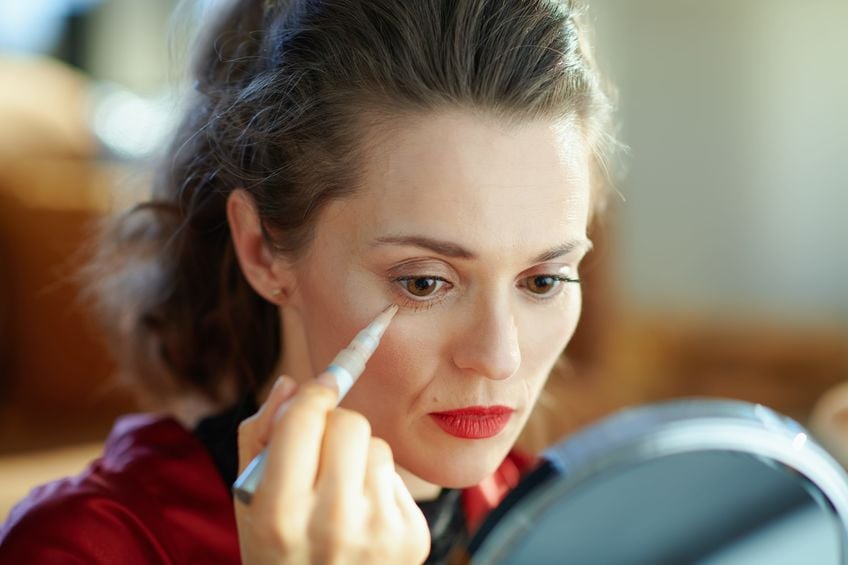
Sometimes concealer alone cannot mask severe under-eye bags. When dark circles remain, discover the benefits of eyelid surgery.
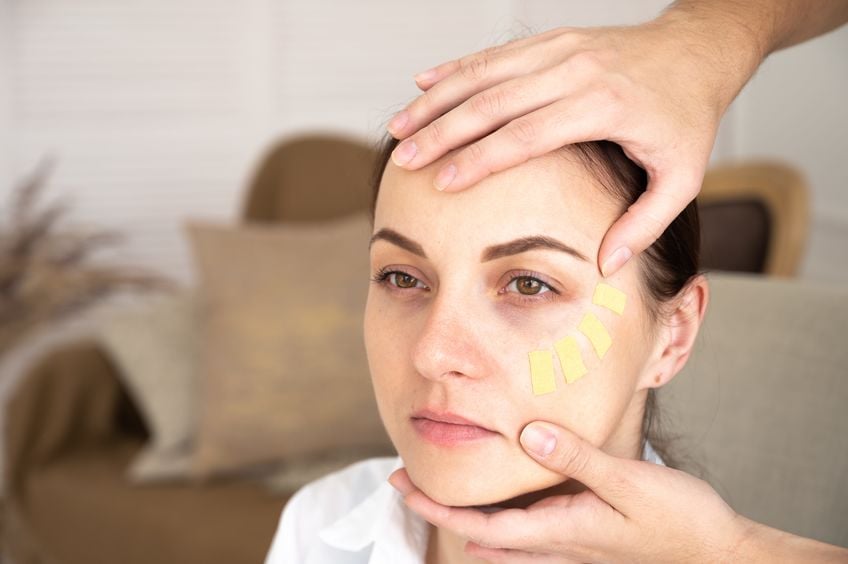
Blepharoplasty is a common plastic surgery procedure, so understanding recovery timelines helps manage expectations.
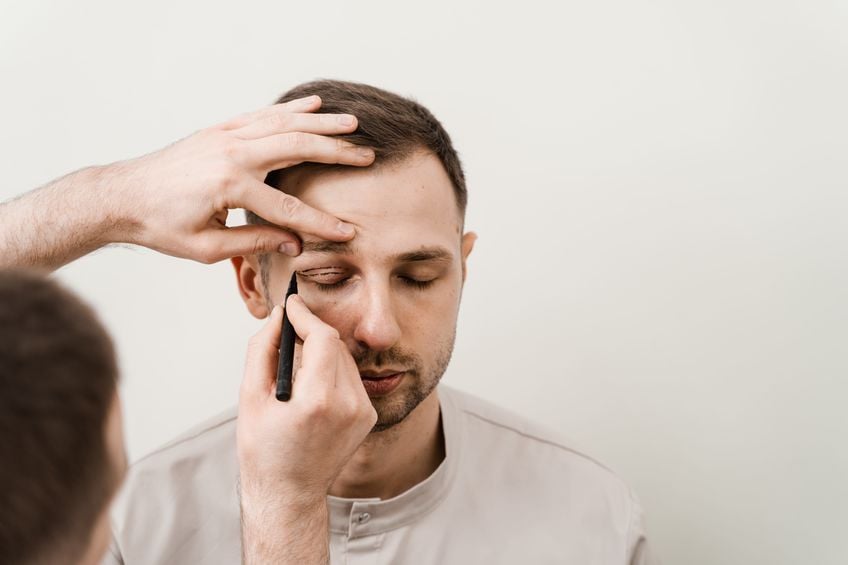
Blepharoplasty can help restore vision affected by drooping eyelids. Explore how the procedure works and what changes to expect over time.
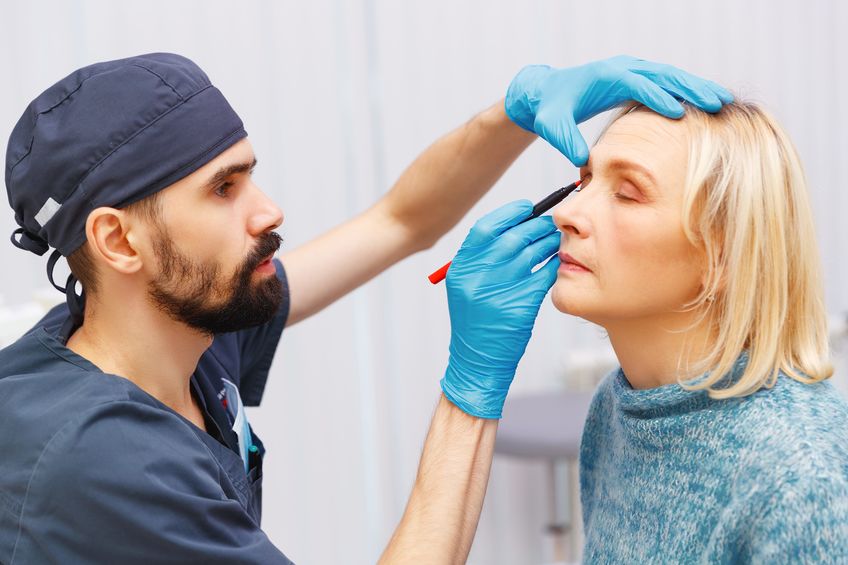
Eyelid surgery scars are usually well-hidden and fade over time. Learn where incisions are placed, how healing works, and what to expect.