
Share
Share

A Common Risk With Breast Implants
Breast augmentation is an amazing cosmetic procedure that increases the size and profile of a woman’s breasts. The procedure is growing in popularity and has high success rates. Despite the surgeon’s skill, breast implants still have a risk of complications. The most common risk factor is capsular contracture, which can be uncomfortable. With capsular contracture, scar tissue naturally forms around the implant. Over time, the tissue hardens, squeezing the implant. Symptoms of capsular contracture include pain, discomfort, and implant displacement. Severe cases require implant removal or other surgical changes. While capsular contracture can happen, there are strategies to reduce the risk. Using these 3 simple strategies reduces the risk and increases long-term success of breast augmentation.
1. Consider submuscular breast implants
Before performing breast augmentation, the surgeon will consider implant location. Where the implants are placed can influence capsular contracture. The surgeon can perform a submuscular implant placement, in which the implant is placed behind the muscular wall. A subglandular implant is placed between the pectoral muscle and breast tissue. Since subglandular placement exposes the implant to more breast tissue, the chance of capsular contracture increases significantly. A submuscular breast implant is the more appropriate option for reducing the risk of capsular contracture.
2. Choose the right size and type
Another effective strategy involves choosing the correct size and implant type. The surgeon will suggest an implant that aligns with the patient’s frame and breast tissue. Statistics show that implants that are too large increase the risk of capsular contracture. Doctors also notice that the type of implants can impact capsular contracture risk. Patients can choose between silicone, saline, and gummy bear implants. Textured implants, such as gummy bear implants, are the best option. Scar tissue is less likely to form around the implant, with fewer symptoms and complications.
3. Make after-care a priority
After breast augmentation, the patient will need at least 4-6 weeks, or more, to fully recover. Post-operative care can determine if there are complications like capsular contracture. Follow all wound healing strategies that reduce swelling and discomfort. Wearing the appropriate supportive bra and performing breast massage breaks up scarring and promotes healing. If there is significant pain, swelling, and discomfort, seek additional support from the cosmetic surgeon.
Enjoy implants free of capsular contracture
Capsular contracture is a common complication that can lead to significant pain, hardening, and visible distortion of the implants. Ruptures, leakage, and hematoma can increase the likelihood of capsular contracture. These symptoms can reduce patient satisfaction. Choosing the right size, location, and type reduces the risk of capsular contracture. If necessary, the surgical team can address the issue by removing or replacing the implants. Do not let capsular contracture prevent the quest for breast augmentation. Working with the right cosmetic surgeon ensures patients enjoy the results, free of complications.
Related Posts...
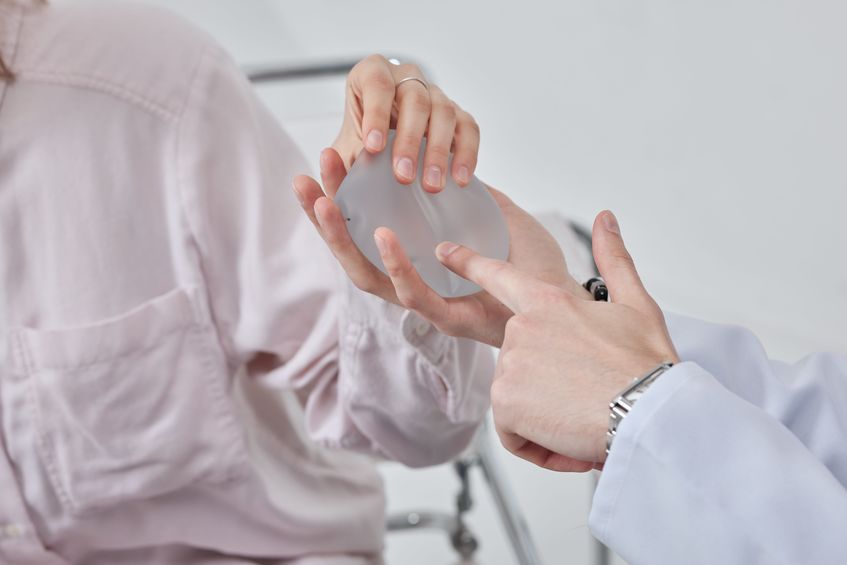
Wondering why breast augmentation alone may not be enough? Learn when sagging, stretched skin, and volume loss may require a lift as well.

Many women worry about breast augmentation scars before surgery. Learn what influences scar healing and how scars typically fade over time.
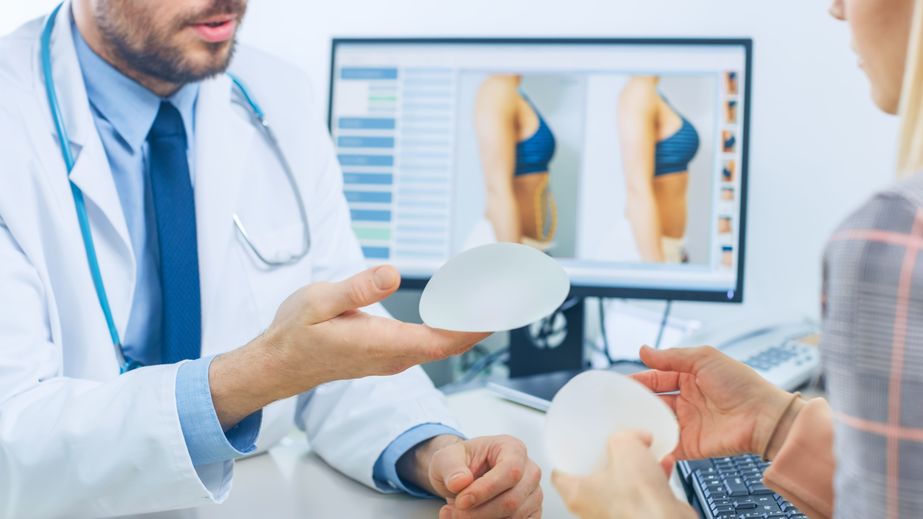
Capsular contracture can change how a breast implant looks or feels, sometimes years after surgery. Learn what to watch for and what treatment options exist.
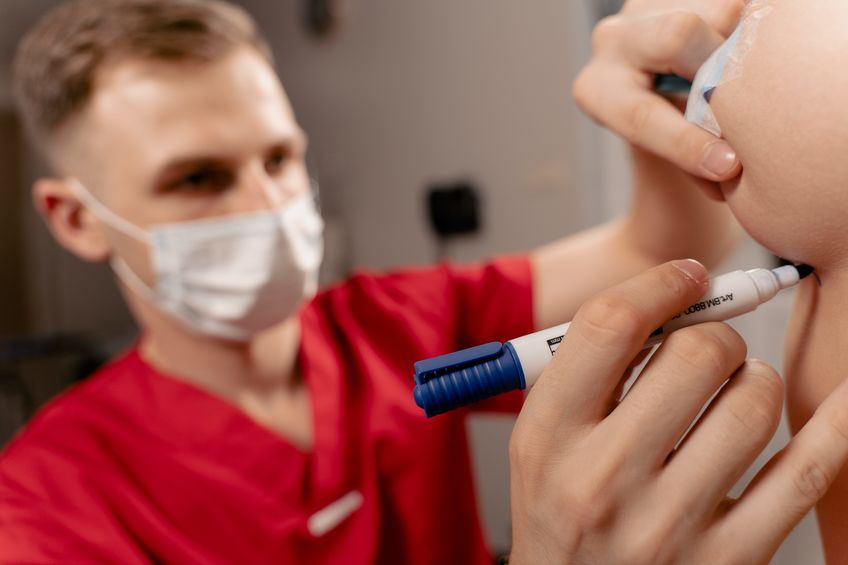
Choosing breast implant placement involves more than deciding what looks best. Learn how anatomy, recovery, and lifestyle can influence the recommendation.