
Share
Share
Why Small Habits Leave Big Marks
Signs of aging often appear on the face before health problems develop inside the body. Fine lines, sagging skin, and loss of tone often reflect damage from habits repeated over the years. These changes may lead many people to consider cosmetic fixes, like a mini-facelift, earlier than expected. Aging cannot be avoided, but daily habits influence how quickly these changes show on the face.
Sun exposure leads to wrinkles
Ultraviolet rays from the sun or even tanning beds penetrate deep layers of skin and break down collagen, the protein that keeps the skin firm. Repeated exposure without protection speeds up the formation of wrinkles, dark spots, and sagging. Using protective clothing and daily sunscreen creates a barrier that preserves structure and slows visible aging.
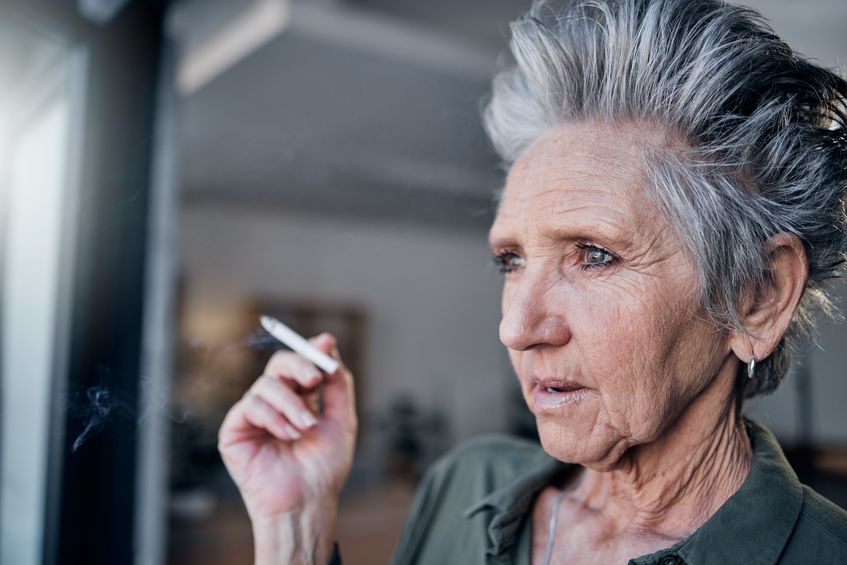
Smoking breaks down skin
Tobacco smoke reduces blood flow, damages collagen, and leaves skin dull and fragile. Wrinkles appear faster around the mouth and eyes, and skin loses the bounce that keeps it looking young. Quitting smoking improves circulation and protects against new damage, even if past damage cannot be fully reversed.
Sugar damages collagen
High sugar intake triggers glycation, a process that stiffens collagen and weakens skin structure. Over time, this makes skin looser, less firm, and more prone to sagging. Choosing fewer sweetened drinks and processed desserts reduces the strain on skin fibers and helps maintain firmness.
Alcohol dehydrates and dulls
Heavy drinking strips moisture from the skin and drains vital nutrients, leaving the face looking tired and worn. Alcohol also dilates blood vessels, causing redness and broken capillaries that age the appearance. Limiting intake and alternating with water helps protect skin tone and texture over time.
Stress marks the face
Chronic stress raises cortisol, which weakens collagen and slows skin repair. Stress often leads to repeated expressions like frowning or squinting, which over time leave lasting lines. Calming practices like breathing exercises, stretching, or time outdoors help lower cortisol and give skin a chance to recover.
Sleep habits matter
Insufficient sleep disrupts collagen production and prevents the skin from repairing daily wear. Night after night of poor rest produces puffiness, dark circles, and sagging that appear long before expected. Regular sleep routines restore repair cycles and keep skin stronger against visible aging.
Holding off on a mini-facelift
Bad habits do more than harm health inside the body. The effects often appear on the face first, showing up as lines, sagging, or uneven tone long before deeper problems set in. Lifestyle changes can delay the need for early cosmetic fixes such as a mini-facelift and help put off more invasive procedures. Slowing visible aging means fewer lines, firmer skin, and a look that holds up better through the years.
Related Posts...
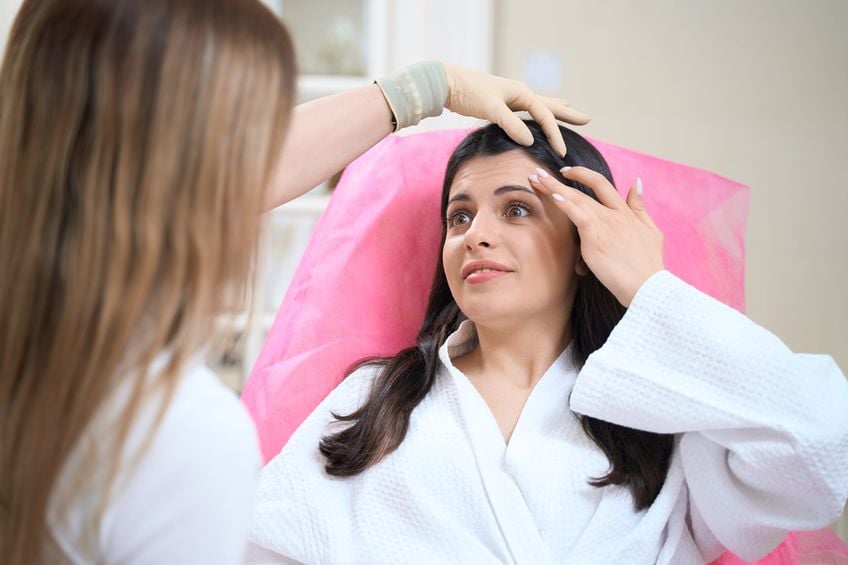
Aging around the eyes needs a specific procedure. Learn whether blepharoplasty or a brow lift is best.
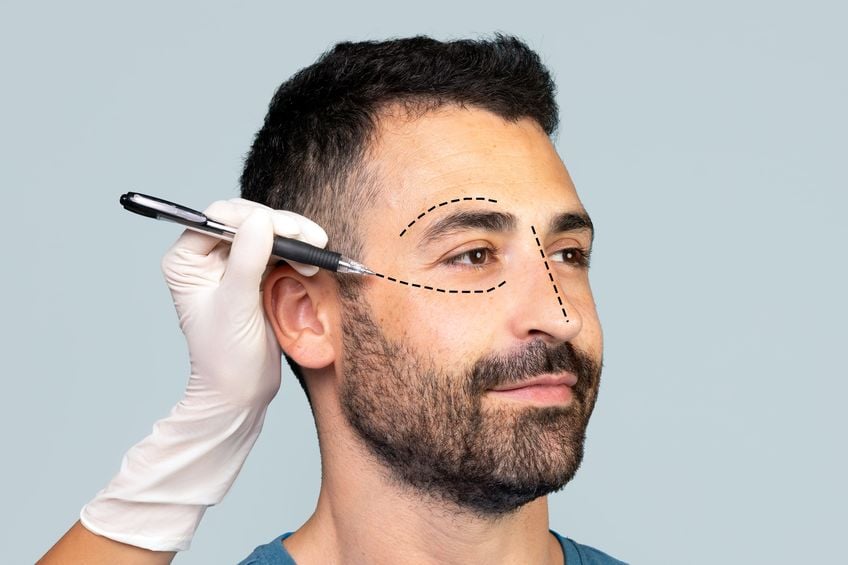
Turn back the clock on tired eyes. See how combining upper and lower blepharoplasty restores both appearance and function.

A facelift can tighten loose skin, but surgery cannot undo years of sun damage or poor skin health. Learn why skin quality matters before surgery.
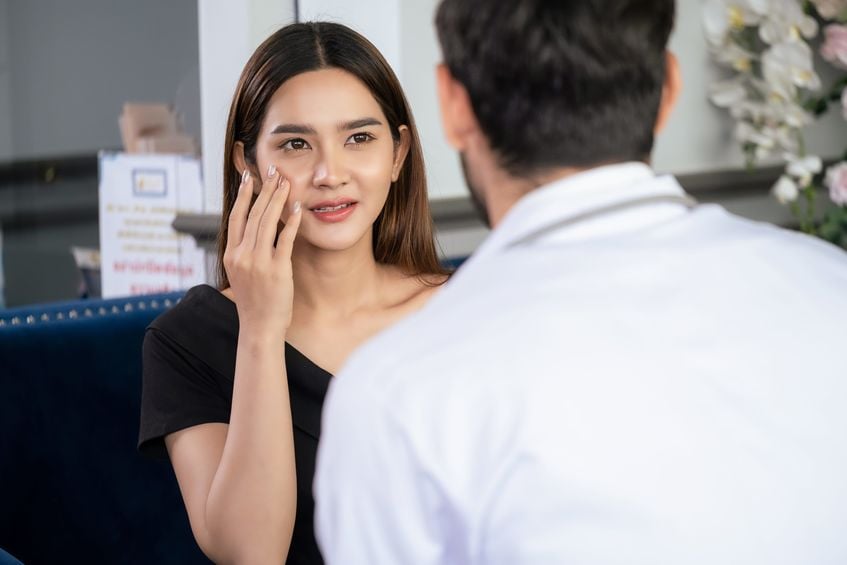
A neck lift can address concerns a facelift alone may not fully correct. Learn why the procedures are frequently paired and when combining them makes sense.