
Share
Share
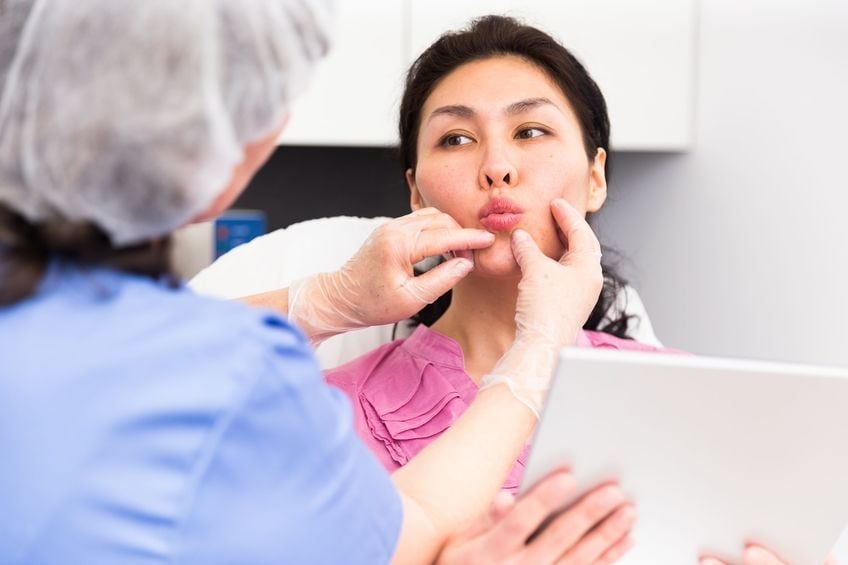
Can Deep Lines Be Removed?
Over time, smile lines, also known as nasolabial folds, can start as small creases and gradually deepen. Lines around the nose and mouth can become more noticeable in photos, under certain lighting, or during facial expressions. Many people try surface treatments first, but deeper folds usually involve more than skin texture. Addressing deeper lines often requires treatment that goes beyond the surface.
When creases get deeper
Nasolabial folds form as the cheeks lose support and begin to move downward. Volume loss in the mid-face can make lines look deeper and more defined. Skin may also lose elasticity over time, which adds to the appearance of creasing. Changes tend to show more clearly from the side or in natural light. The depth of the fold often reflects structural changes rather than surface damage.
Why folds get deeper
Several factors contribute to deeper smile lines. Loss of fat in the cheeks, weakening of underlying support, and gradual skin laxity all play a role. Repeated facial movement can also make lines more pronounced over time. Multiple factors often overlap, which is why deeper folds rarely have a single cause.
When less invasive works
Non-surgical treatments can soften the appearance of lines. Dermal fillers can restore volume and reduce the depth of folds for a period of time. Skin tightening treatments can support collagen production and improve firmness. Thread-based treatments can create a subtle lift in certain cases. Results can improve appearance, but effects are temporary and may require maintenance.
Where deeper correction helps
Surgical treatment can address deeper structural changes that non-surgical options cannot fully correct. Lifting the mid-face can reposition tissue and reduce the depth of folds. Volume restoration through fat transfer can help rebuild areas that have thinned over time. In certain cases, direct removal of excess skin along the fold may be considered. Structural correction focuses on addressing the underlying cause rather than masking the line.
Why results last longer
Surgical techniques address the deeper support of the face instead of only adding volume at the surface. Repositioned tissue can help maintain a smoother contour for many years. Aging continues over time, but improved structure helps slow how quickly folds return. Longer-lasting results often reduce the need for frequent maintenance treatments.
Choosing the right approach
The best option depends on how deep the lines appear and what contributes to the change. Mild lines may respond well to fillers or skin treatments. More defined folds often require structural correction to see a noticeable difference. A detailed evaluation can help determine whether volume, lift, or both are needed.
A more balanced result
Smile lines are part of natural expression, but deeper folds can change overall facial balance. Addressing both volume and structure can create a smoother transition between the cheeks and mouth. Results tend to look more natural when treatment matches the underlying cause. A thoughtful approach can soften lines without changing how the face looks at rest or in motion.
Related Posts...

Aging around the eyes needs a specific procedure. Learn whether blepharoplasty or a brow lift is best.
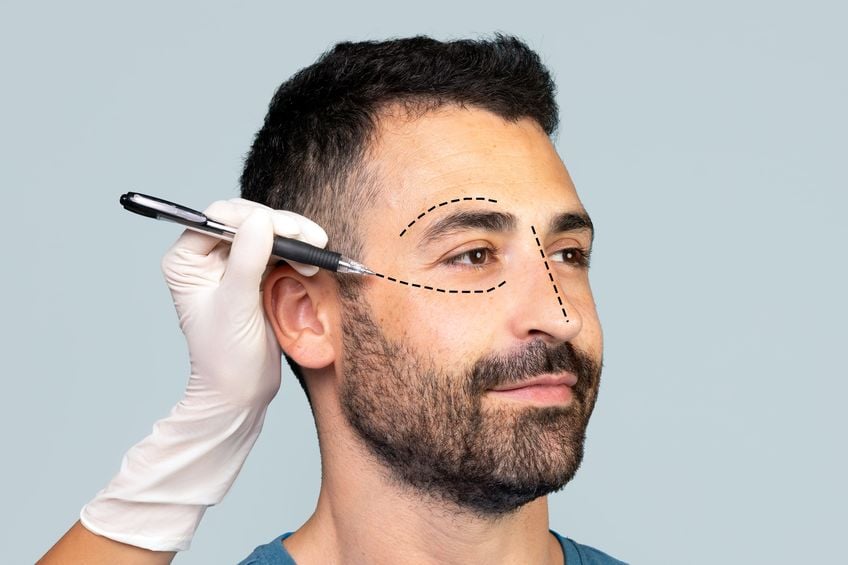
Turn back the clock on tired eyes. See how combining upper and lower blepharoplasty restores both appearance and function.
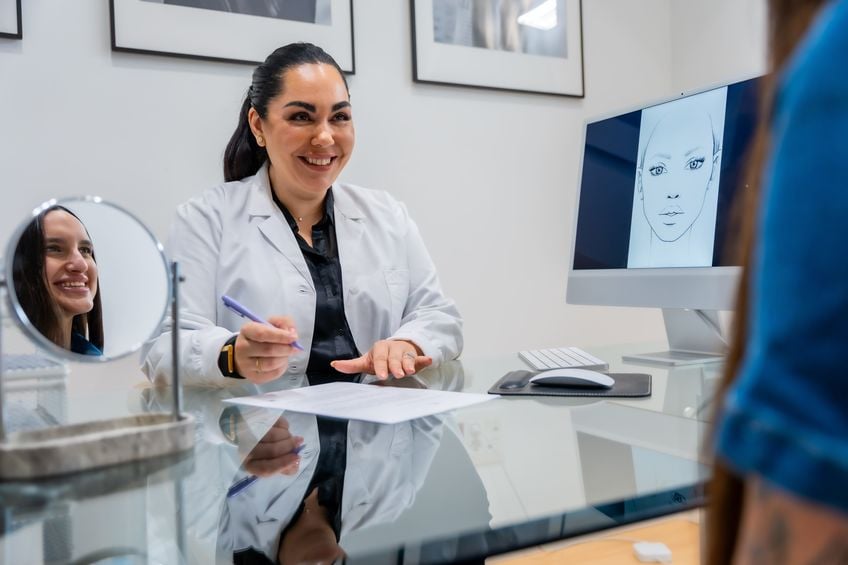
A facelift can tighten loose skin, but surgery cannot undo years of sun damage or poor skin health. Learn why skin quality matters before surgery.

A neck lift can address concerns a facelift alone may not fully correct. Learn why the procedures are frequently paired and when combining them makes sense.