
Share
Share
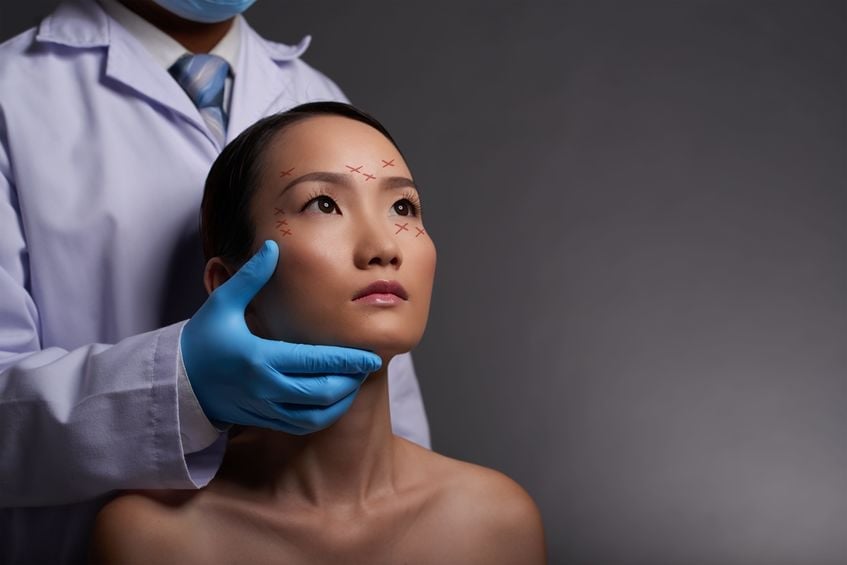
Can Facelifts Stop Time?
Facelifts have evolved from a hidden secret of celebrities to an accessible and practical way to turn back the clock. The popularity of the procedure is why over 130,000 facelifts are performed yearly. Facelifts are not just about tightening the skin, but about performing a comprehensive rejuvenation that offers multiple benefits. People who invest in facelifts not only look younger but also feel more vibrant. Although facelifts are becoming more widely accepted, the procedure still leaves potential patients in doubt. Speaking with an experienced surgeon can help anyone understand why this procedure is the most effective way to improve significant signs of aging.
Understanding facelifts
A facelift or rhytidectomy is a surgical procedure that targets wrinkles, jowls, and signs of aging in the mid to lower two-thirds of the face. Over time, gravity, lifestyle, environment, and genetics accelerate aging. Facelifts target the deeper layers of skin, tissue, and muscle impacted by these changes. The procedure involves making incisions around the hairline from ear to ear. The surgeon lifts the skin from the hairline to access the layers of tissue and muscle. These layers, including fat pads, are adjusted, manipulated, and tightened to produce the desired results. The surgeon tightens and removes excess skin near the hairline. The skin is then carefully placed within the patient’s natural hairline, which is then closed with incisions and covered with bandages. Facelift patients can then begin recovery, which take up to 3 weeks. Final results can take 6-12 months.
Long-term, comprehensive change
One of the biggest benefits is that facelifts do not target superficial layers of skin. Chemical peels, fillers, or botulinum toxin injections replace volume and smooth skin temporarily. These non-surgical procedures need to be repeated periodically and can be less effective over time. Facelifts need more downtime but address deeper underlying layers of tissue and fat, which creates a long-term impact. Patients truly appear younger as jowls are improved, jawlines appear more defined, and fat pads are lifted. Well-performed facelifts typically last 7-10 years, with some patients maintaining improvements for more than 15 years. Individuals who choose facelifts look much more youthful for longer.
A variety of applications
Modern facelifts have evolved to target different layers of skin and tissue. These advancements allow surgeons to perform specific procedures to meet the desires of patients. Performing a facelift on the superficial musculoaponeurotic system (SMAS) layer, for instance, allows for a subtle, yet effective transformation. Deep plane facelifts go well beyond the SMAS, releasing and repositioning this muscular layer, lifting descended fat pads and tissues back to youthful positions. While effective, this facelift requires the longest recovery time. Mini facelifts use minimally invasive incisions near the ear and hairline to perform surgery. The procedure provides a subtle lift and tightened jawline with faster recovery due to small incisions. These procedures are also a great way to create a refreshed, more youthful appearance.
Additional procedures complete transformations
Facelifts often do not occur in a vacuum. There are other parts of the face, like the neck and forehead, that the facelift may not impact. As a result, facelifts are often combined with other procedures for even more amazing results. A neck lift can remove additional sagging skin and fat in the neck area, creating an even more defined jawline. A forehead lift or brow lift is a cosmetic surgical procedure that raises drooping brows and reduces forehead wrinkles. These procedures reduce frown lines to create a more youthful, refreshed appearance. Combining facelifts with other procedures helps patients look even younger. People who have successful facelifts also feel more confident and inspired. A more youthful appearance helps patients pursue work and social goals, which translates to a better quality of life.
Look and feel your best
Facelifts are excellent at improving the signs of aging, with patients’ perceived age being reduced significantly. Individuals who choose facelifts and maintain the results with great skincare have a youthful transformation that lasts for years. While effective, facelifts are not for everyone. People with good skin elasticity, moderate to severe jowling and neck laxity, and descended facial tissues benefit most. Facelifts cannot create bone structure, change fundamental facial proportions, improve skin texture, pigmentation, or fine wrinkles. Work with a surgeon for a custom solution and learn why facelifts continue to be the gold standard for reversing signs of aging.
Related Posts...
Aging around the eyes needs a specific procedure. Learn whether blepharoplasty or a brow lift is best.
Turn back the clock on tired eyes. See how combining upper and lower blepharoplasty restores both appearance and function.
A facelift can tighten loose skin, but surgery cannot undo years of sun damage or poor skin health. Learn why skin quality matters before surgery.
A neck lift can address concerns a facelift alone may not fully correct. Learn why the procedures are frequently paired and when combining them makes sense.