
Share
Share
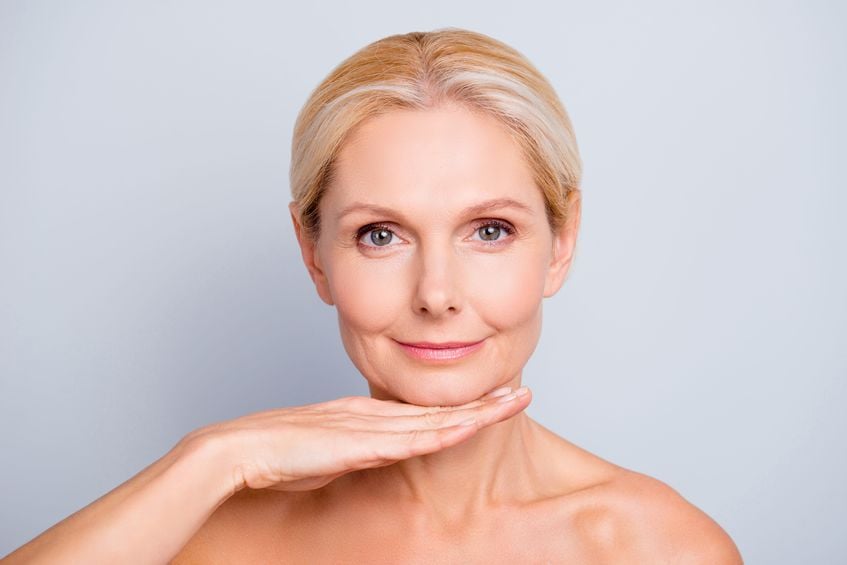
Where Does Age Start To Show?
Changes in the neck can become noticeable over time, even when the face still looks the same. Skin may loosen, lines can deepen, and the area under the chin can lose definition. The changes tend to build gradually, which can be easy to overlook at first. Factors like collagen loss and sun exposure can speed up the process. Addressing the neck can help restore a smoother, more defined look that better matches the face.
What’s driving the change
A few different factors shape how the neck starts to change. Skin gradually loses firmness, which can soften the outline. Muscle bands can become more visible along the front of the neck, especially with movement. Fat under the chin can also shift or build, changing the overall profile. Changes can appear alone or in combination over time.
Beyond sagging and lines
Skin changes go beyond looseness. Crepe-like texture, fine lines, and uneven tone can make the neck look older even without major sagging. Treatments that focus on surface quality, such as resurfacing or collagen-stimulating options, can help improve how the skin looks and feels. Addressing texture can make other treatments look more natural and complete.
Options without surgery
Non-surgical treatments can help when changes are still mild to moderate. Injectable treatments can relax visible bands or soften lines, while some options can reduce fat under the chin. Heat- or ultrasound-based treatments can help tighten skin by supporting collagen production. Results from non-surgical treatments tend to develop gradually and may require maintenance over time.
When procedures make sense
More noticeable changes may call for procedures like a neck lift or liposuction. A neck lift can remove excess skin and tighten the underlying muscles to create a firmer contour. Liposuction can reduce fat under the chin and help sharpen the jawline. Both options focus on improving structure beneath the skin rather than surface-level changes.
When treatments work together
A single treatment may not address every concern. Skin, muscle, and fat often change at the same time, which can require a combination approach. Pairing treatments can create a more balanced result and reduce the chance of one area looking over- or under-corrected. A layered plan can also help maintain results over time.
Healing after treatment
Recovery depends on the treatment chosen. Less invasive options often allow a quick return to daily routines, sometimes within a few days. More involved procedures can bring swelling, bruising, and tightness that last a few weeks before the area starts to settle. Activity may need to be limited during early healing, especially with surgical options. Planning ahead can make that period easier to manage.
Finding the right balance
Changes in the neck can build over time, even when the face still looks the same. A range of treatment options can address skin, muscle, and fat, depending on what has changed. The best results usually come from matching the treatment to the underlying cause rather than taking a one-size approach. A more defined, balanced look is often achievable with the right plan.
Related Posts...
Aging around the eyes needs a specific procedure. Learn whether blepharoplasty or a brow lift is best.
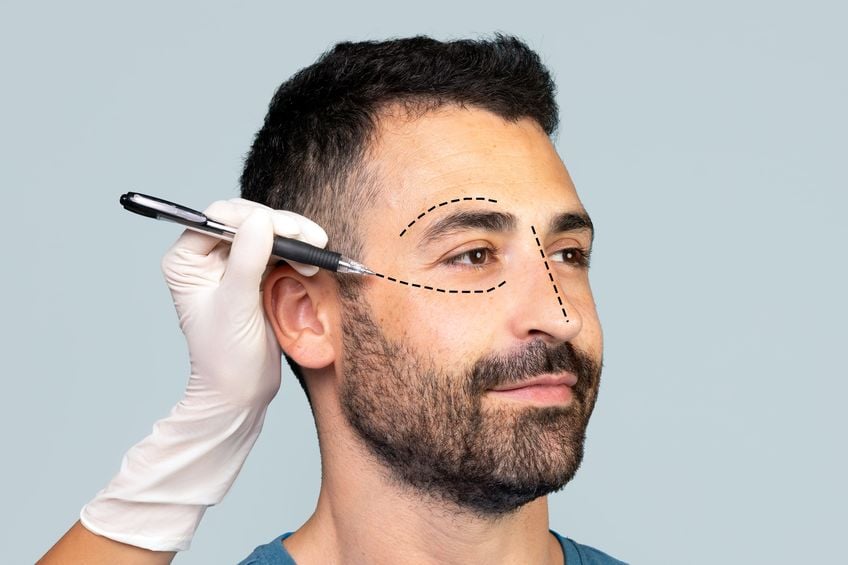
Turn back the clock on tired eyes. See how combining upper and lower blepharoplasty restores both appearance and function.
A facelift can tighten loose skin, but surgery cannot undo years of sun damage or poor skin health. Learn why skin quality matters before surgery.
A neck lift can address concerns a facelift alone may not fully correct. Learn why the procedures are frequently paired and when combining them makes sense.