
Share
Share

A Fresh Look Starts Here
Loose skin around the eyes can creep up slowly. At first, this change may look like a little sag or puffiness, but over time, droopiness can make the eyes appear tired or weighed down. In some cases, skin begins to fold over the lashes, blurring the upper field of vision. Makeup no longer hides the imperfections, and no amount of rest makes the eyes look refreshed. This is when many people start considering eyelid surgery as more than a cosmetic option.
From tired eyes to a rested look
Eyelid surgery, called blepharoplasty, removes or reshapes extra skin and tissue around the eyes. Upper eyelid surgery often focuses on skin that droops over the lid, while lower eyelid surgery targets bags or puffiness beneath the eyes. The blepharoplasty procedure is usually performed in an outpatient setting, with swelling and bruising common in the early days of recovery. The aim is a clearer line of sight and a more alert, rested look.
Getting ready for surgery day
Before moving forward with blepharoplasty, a surgeon will outline the procedure, where incisions will be made, and how long recovery will take. Questions to raise include what type of anesthesia will be used and how scars will fade over time. Patients often ask about the first week at home, since swelling, bruising, and ice packs will play a big role during that stretch of recovery. Understanding the step-by-step process makes surgery easier to prepare for.
The road back after surgery
Every surgery carries risks. Eyelid surgery can involve infection, bleeding, or difficulty closing the eyes fully for some time. Recovery usually requires several weeks before results settle in. Asking when driving, work, or exercise can safely resume keeps expectations realistic. Each patient will heal at a different pace, and clear directions can make the road smoother.
Setting realistic expectations
No operation guarantees perfection. Asking what kind of results to expect, how long the outcome usually lasts, and whether more procedures may be needed later creates a clearer picture. Requesting before-and-after photos from past patients can help show what to expect. The best results come from a match between realistic goals and a skilled surgeon.
Maintaining results
Eyelid surgery creates lasting change, but the outcome depends on care afterward. Protecting the eyes from the sun, staying hydrated, and getting enough rest all help preserve results. Avoiding smoking and limiting alcohol also makes a difference. No routine stops aging, but daily care slows the process down and helps the eyes stay brighter and refreshed for longer.
Seeing life in a new light
Eyelid surgery is about more than changing appearance. Clearer vision, a brighter look, and renewed confidence all connect back to how eyes frame daily life. Choosing this procedure represents not only a medical decision but also a deeply personal choice that can shape how the world is perceived and how life is experienced each day. With the right questions and the right surgeon, the change goes far beyond the mirror.
Related Posts...
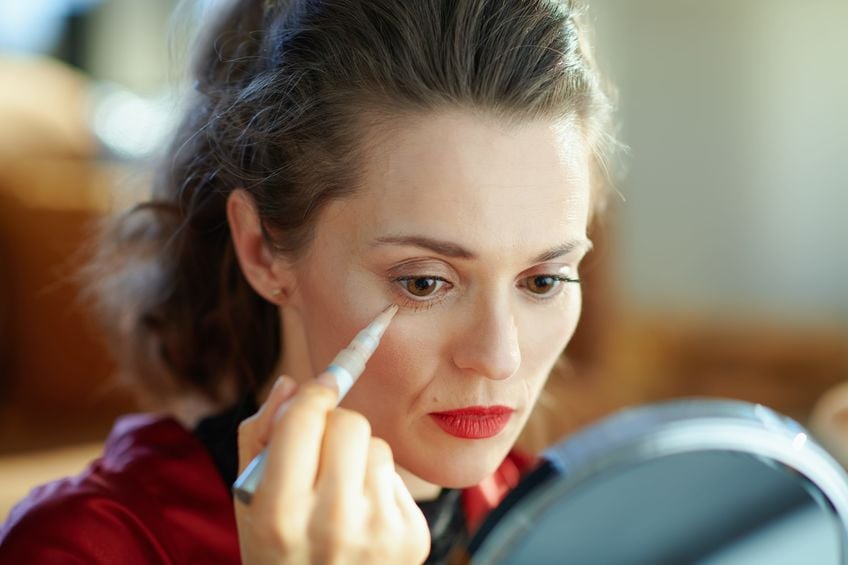
Sometimes concealer alone cannot mask severe under-eye bags. When dark circles remain, discover the benefits of eyelid surgery.
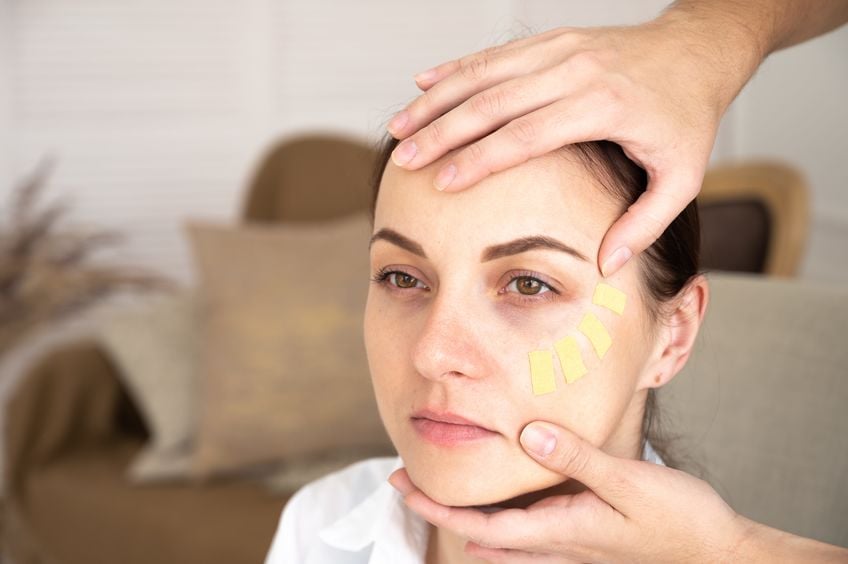
Blepharoplasty is a common plastic surgery procedure, so understanding recovery timelines helps manage expectations.
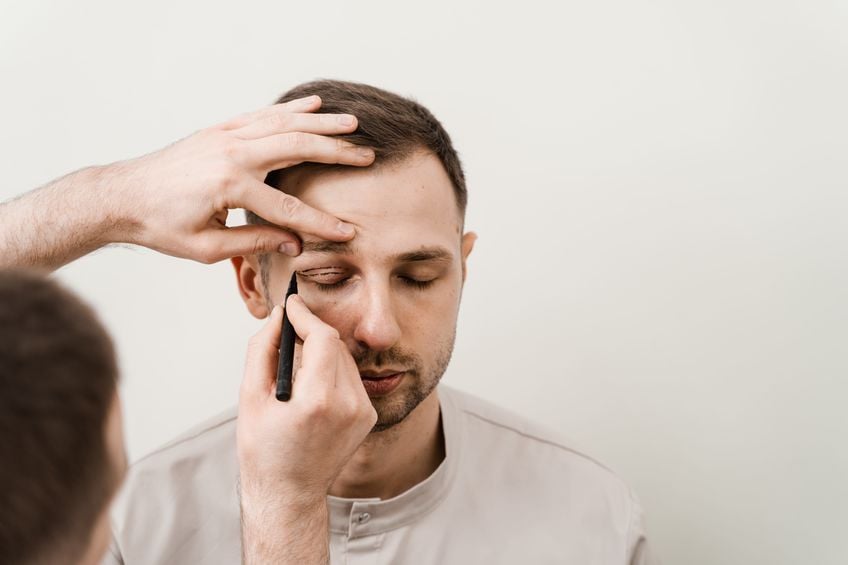
Blepharoplasty can help restore vision affected by drooping eyelids. Explore how the procedure works and what changes to expect over time.
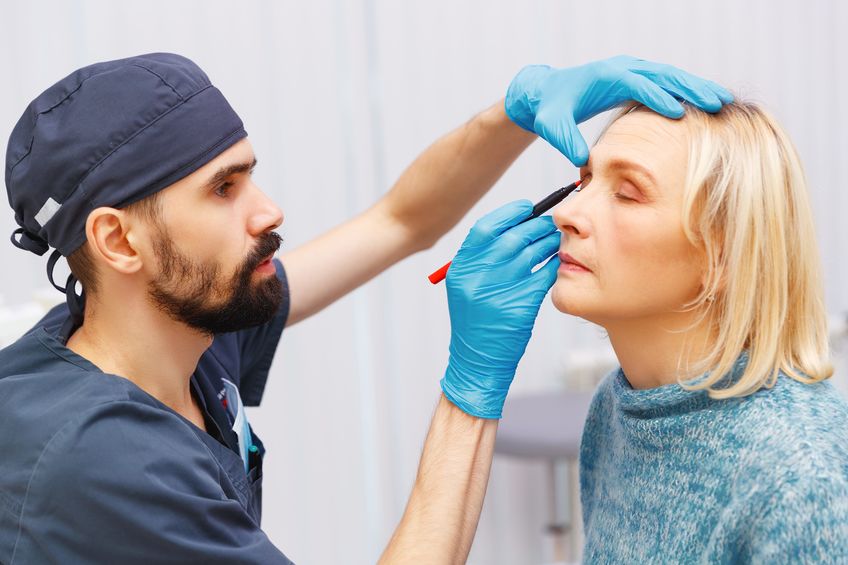
Eyelid surgery scars are usually well-hidden and fade over time. Learn where incisions are placed, how healing works, and what to expect.