Share
Share

Go All-In On Breast Augmentation Recovery
The choice to have a breast augmentation can feel empowering. Women can finally look and feel more confident with an increased breast size and improved profile. Breast augmentations continue to be a popular cosmetic procedure, but overall success is determined by commitment to recovery. The body needs the time, space, and resources to heal properly, which then ensures the best aesthetic results. Optimal recovery also limits complications and sets the stage for long-term success. The recovery process can be overlooked by busy individuals. Investing in this recovery, however, leads to higher satisfaction rates now and in the future.
Prepare for recovery in advance
Doctors recommend at least 4-6 weeks of recovery after an augmentation before returning to everyday activity. Even after this period, breast implants need several more months to settle and produce the desired results. A smooth healing process requires preparation. Creating a process and environment that supports healing is central to success. Patients should ask the surgeon critical questions about recovery during initial consultations. This approach can help prepare for potential complications, reduce pain, and even speed up recovery. Patients should prepare for multiple weeks of downtime, which may require clearing the schedule or taking time off work. In the weeks leading up to surgery, quit smoking, reduce alcohol consumption, and focus on daily exercise to boost circulation. Set the home up for recovery to reduce the risk of falls. The more time and space to recover, the better.
Follow your surgeon’s instructions
Before and after surgery, the medical team will provide specific information to help with healing. Drains may be inserted into the breast to drain blood and fluid buildup. The medical team will provide information on pain management, wound care, and measures to limit complications. Follow the instructions on emptying drains and replacing suction devices, which may need to be done multiple times each day. The doctor may prescribe pain medication or non-steroidal anti-inflammatory drugs (NSAIDS) to limit pain and swelling after the procedure. There will be additional instructions on replacing bandages or keeping incisions clean and dry. Following medical instructions and attending follow-up appointments improves the healing process.
Give your body super fuel
The body needs more vitamins, minerals, proteins, and fats to support the healing process. A recovery-centric diet is ideal after breast augmentation. Certain foods contain compounds that help with tissue repair while reducing inflammation. Focus on larger servings of lean protein, leafy vegetables, berries, nuts, and seeds. Limit excess carbohydrates, processed foods, saturated and trans fats. Studies show that a balanced diet leads to better surgical outcomes. Along with a healthy diet, increase daily hydration to reduce swelling, release toxins, support organ function, and boost energy.
Sleep well, heal well
The body needs time and space to regenerate, so rest is a critical part of the recovery process. Taking time off work and avoiding strenuous physical activity, especially during the first 2 weeks after surgery, allows the body to recover. Spend more time relaxing at home and enlist help with cooking, cleaning, and other tasks. High-quality sleep also leads to better healing outcomes. Aim for at least 7 hours of sleep every night, keeping the body slightly elevated to reduce swelling. More effective and consistent rest leads to faster healing and better surgical outcomes.
Mix in movement
While rest is encouraged, sedentary habits are not. Sitting still for too long increases the risk of swelling and reduces circulation. There is also a higher risk of infections and post-operative pain. In the first few days after surgery, take a few minutes to walk, preferably several times a day. While walking, limit stretching or other movements that can rupture sutures or cause excess bleeding. Gradually increase walking distance and duration to promote better circulation and reduce swelling. Do not resume resistance exercise or any strenuous movements without medical clearance.
Keep stress and inflammation at bay
Even with an optimal routine, stress and anxiety around the procedure can impact the healing process. Studies show there may be a direct relationship between psychological stress and wound healing speed. Stress increases cortisol levels, which in turn spike inflammation. This process can be counterproductive to healing. Understand that breast augmentation can take time to heal and show results. During initial recovery, focus on relaxation, practice mindfulness, read, or listen to music. Consider investing in supplements that reduce stress and promote good sleep, such as magnesium, vitamin D, melatonin, and ashwagandha. With the right support and strategies, stress becomes manageable, which translates to faster healing.
Enjoy your amazing results
Recovery is vital to enjoying fantastic breast augmentation results for years. The process is longer than the surgery, so patience, discipline, and consistency in care matter. Prepare for recovery by allocating sufficient time for rest and healing. Practice stress-relieving activities, eat well, prioritize sleep, and incorporate movement to improve circulation. These are the cornerstones of effective healing. When in doubt or if serious complications arise, speak with the surgeon immediately for additional support.
Related Posts...
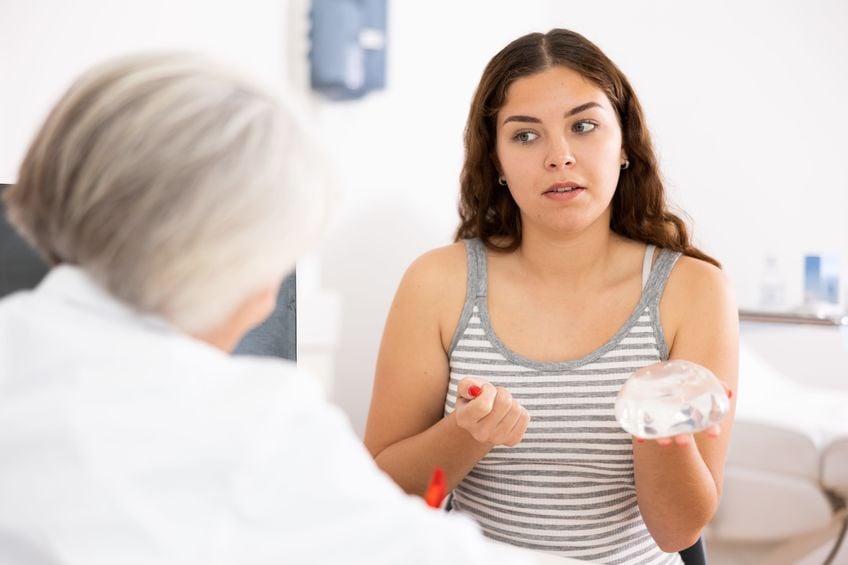
A pre-op breast augmentation checklist helps. Learn what to do leading up to surgery for optimal results.
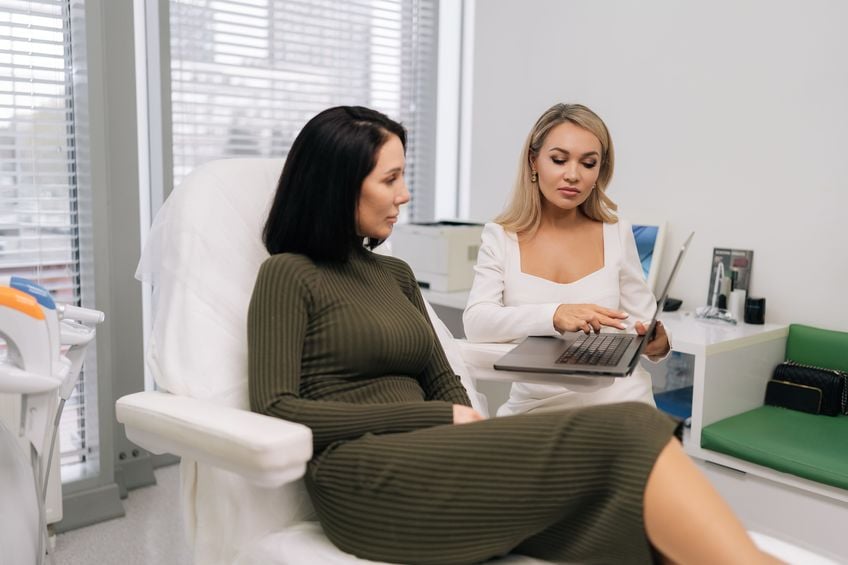
Ready for a balanced, natural-looking breast enhancement? Combine augmentation with fat transfer.
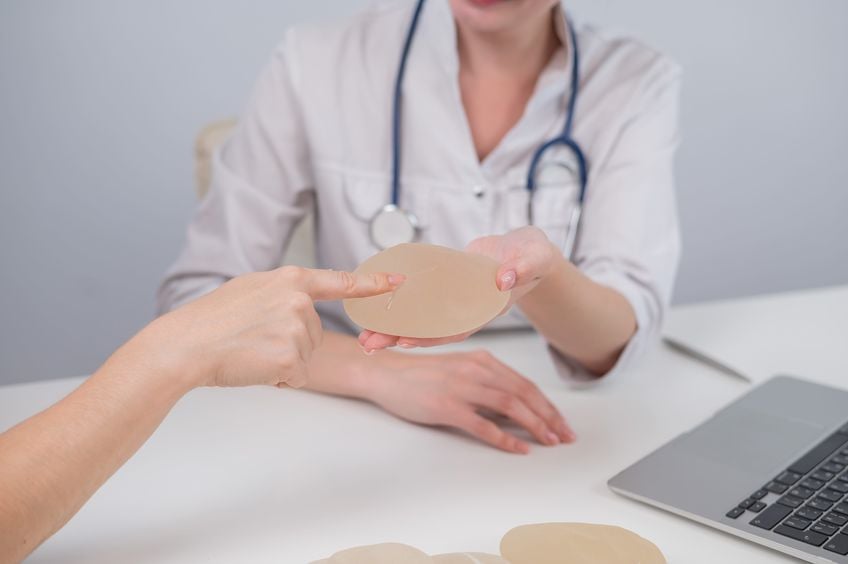
Going bigger the second time involves more than choosing a larger implant. Learn what surgeons consider during breast revision surgery.
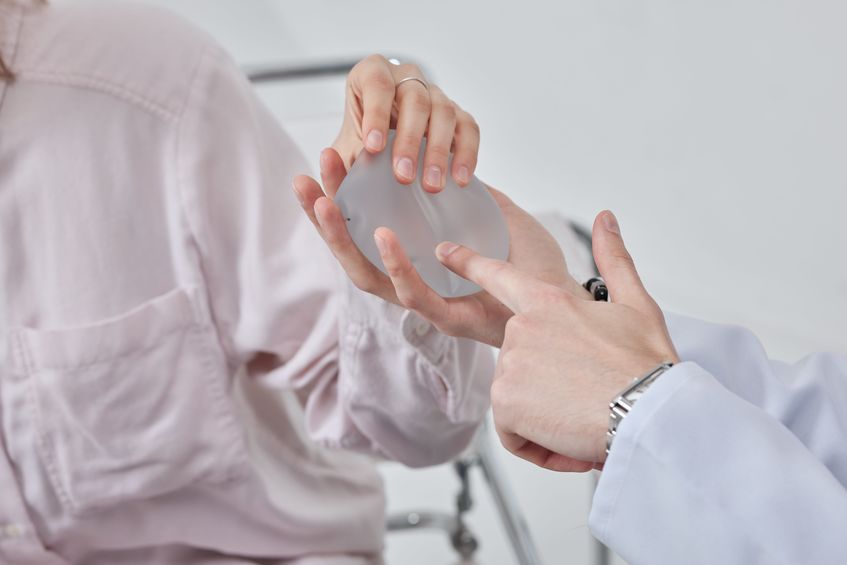
Wondering why breast augmentation alone may not be enough? Learn when sagging, stretched skin, and volume loss may require a lift as well.