Share
Share

Itching To Work Out Again?
Breast augmentation is a popular procedure for women looking for improved breast size, shape, and symmetry. Cosmetic surgery boosts confidence and self-esteem while helping women enjoy new clothing or phases of life. Breast augmentation has high success and satisfaction rates, but like any procedure, recovery is necessary. Some patients are eager to return to activities like exercise as soon as possible. Working out has many health benefits, but strict restrictions are required after breast augmentation for safety reasons. Specific exercises are possible at certain stages of recovery. Learn what to expect during recovery.
How long is recovery after breast augmentation?
Breast augmentation requires incisions in specific locations to insert the recommended breast implants. This process is somewhat invasive and needs recovery time. On average, patients need 3 months of recovery before resuming everyday activities. This time is enough to reduce pain, swelling, and discomfort. The implants can also drop and settle into the desired location. Surgeons do not advise high-intensity exercise, but acknowledge the need for physical activity. Working out after breast augmentation, therefore, requires a gradual approach.
Immediate post-operative restrictions
No exercise is allowed immediately after surgery. The goal is to manage wounds, pain, and swelling. Rest is essential during this 1st week. Exercise significantly increases the risk of complications. For the first week post-surgery, avoid any form of pushing, pulling, or lifting of equipment. Avoid raising the arms over shoulder height, bending, or stretching in unnatural positions. The objective is to rest and heal. Wear the recommended surgical bra, and manage wounds and pain. Avoid exercise even if there is minimal pain.
Moving to light activity
From the 2nd week, patients can begin to work out, but movements are limited. Doctors recommend gentle walking for short distances to improve circulation and limit blood clots. Light, lower-body exercises are possible but should be modified. For instance, use a chair to perform leg raises, ankle pumps, and leg extensions. Avoid the chest and arm region to support healing. Without these restrictions, there is a risk of implant displacement, slower healing, prolonged swelling, and a higher risk of complications.
Ramping up exercise
From week 3 and beyond, patients can increase exercise intensity. The goal is a low-impact exercise with minimal resistance. Cardiovascular exercises, like brisk walking on a treadmill or a stationary bike are allowed. Limit the duration to 30 minutes or fewer. Using an elliptical machine is possible nearer the end of the 3-week mark, where arm movements are safer. Gentle, lower-body strength training and stretching are allowed. Bodyweight squats, lunges, leg raises and extensions are useful lower-body exercises. Consistent stretching of the arms, shoulders, and back is possible at this stage. Avoid exercises that engage the chest muscles or core. Patients with submuscular implant placements, in particular, should avoid chest exercises that may displace the implant.
Returning to full workouts
From week 6, most patients can return to full body or more intensive forms of exercise. Still, the goal is to gradually increase weight and intensity. Reduce weights to at least 50%, such as light dumbbells. Perform shoulder, arm, and back exercises using light weights and high repetitions. Do modified arm and core exercises, like pushups and planks, on the knees. Continue with these exercises, gradually increasing weight and intensity week over week. From the 3-month mark, the patient should be able to resume running, jumping, and other high-intensity activities. Follow all surgeon instructions including wearing a supportive bra. Look for signs of pain or discomfort.
Trust your surgeon’s advice
Surgeons do not recommend working out immediately after breast augmentation. Risks such as swelling, bleeding, implant rippling, or displacement are highest at this stage. Focus on rest, wound care, and healing as complications can prolong the desire to exercise further. Surgeons still acknowledge the benefits of movement. Start with gradual, movements, focusing on the lower body. After the 3-week mark, include light but effective upper-body exercises. Focus on safety and recovery and enjoy amazing results.
Related Posts...
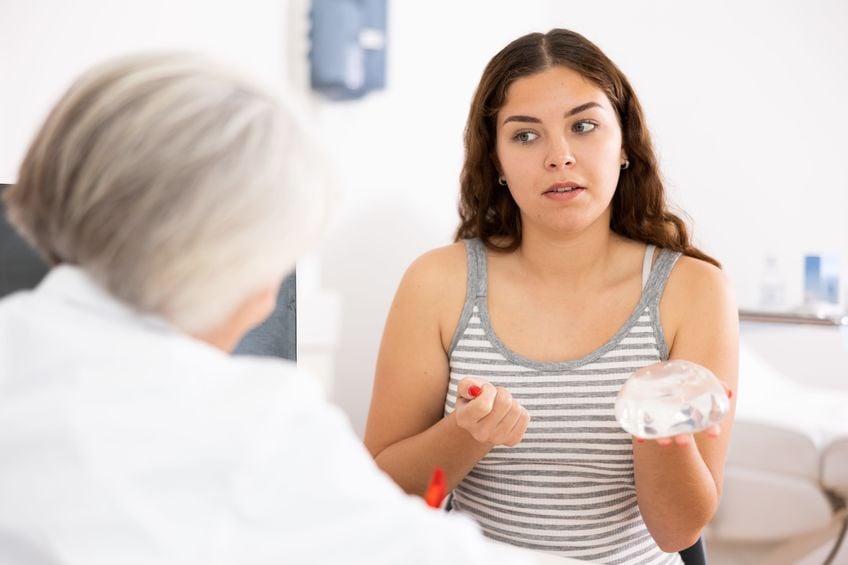
A pre-op breast augmentation checklist helps. Learn what to do leading up to surgery for optimal results.
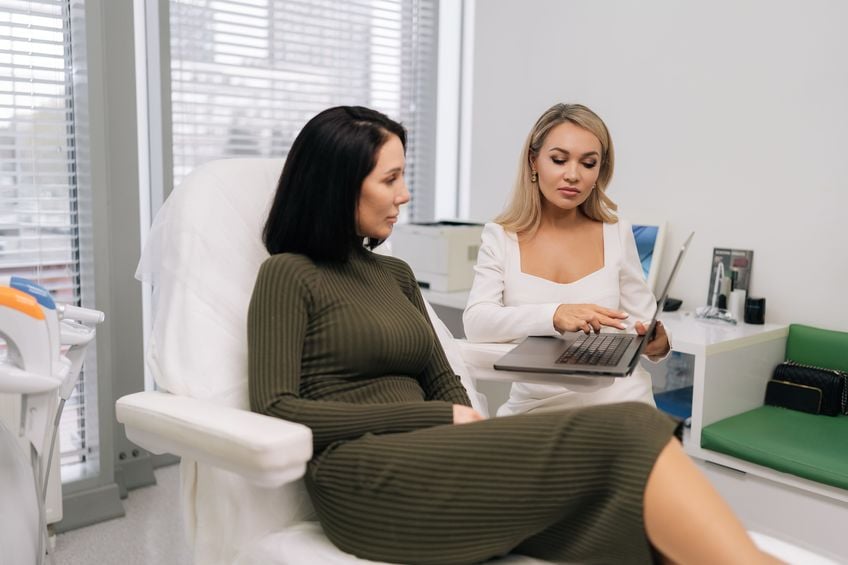
Ready for a balanced, natural-looking breast enhancement? Combine augmentation with fat transfer.
Going bigger the second time involves more than choosing a larger implant. Learn what surgeons consider during breast revision surgery.
Wondering why breast augmentation alone may not be enough? Learn when sagging, stretched skin, and volume loss may require a lift as well.