
Share
Share

Location, Location, Location
Women who dream of breast augmentation want the ideal size, shape, and symmetry to look and feel amazing. To achieve these results, breast augmentation requires more than inserting large implants. For enhanced, yet natural-looking results, where the surgeon places the implants matters. During the initial consultation, the surgeon will suggest subpectoral implant placement. For the right patient, a subpectoral implant can produce sublime, natural-looking results.
Subpectoral vs subglandular placement
A subpectoral breast implant placement refers to the positioning of the implant during surgery. The surgeon places the implant behind the chest wall, between the pectoralis major and minor muscles. An incision is made in the muscle to strategically place the implant. Subglandular breast implants go in front of the chest wall, behind the woman’s natural breast tissue. The surgeon will choose subpectoral or subglandular placements based on existing breast tissue, desired look, implant size, and lifestyle goals.
Benefits of subpectoral placement
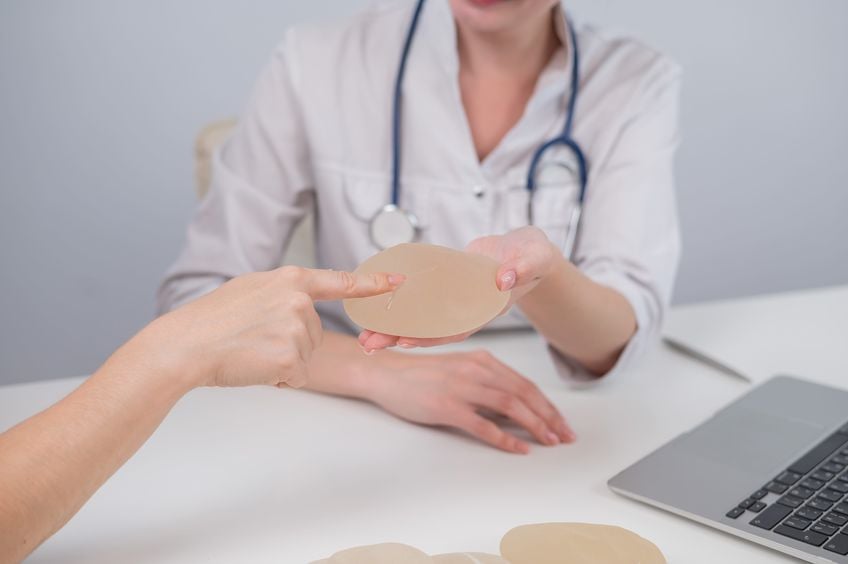
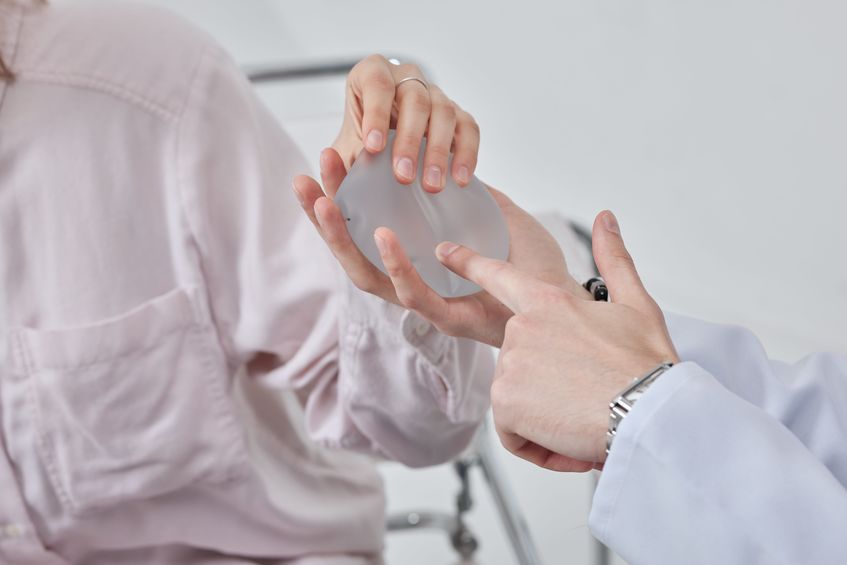
Perhaps the most significant advantage of submuscular placement is that the implant provides a natural-looking appearance. The chest wall follows the natural contour of the breast, with a reduced risk of visual rippling. Choosing the type of implant, like the popular gummy bear implant, also works well for subpectoral placement. The implant is teardrop-shaped with a larger lower pole producing optimal cleavage. Subpectoral implants are great for women with smaller frames and less breast tissue who want a natural appearance. This option also helps with more accurate breast cancer screenings, reduces the risk of capsular contracture, and is less likely to interfere with breastfeeding.
Potential risks and considerations
Subpectoral implants are not without concerns. The procedure requires incisions in the chest muscles, which is not necessary with subglandular placement. Recovery is longer, and there is a higher risk of complications. For women with smaller or more muscular frames, the implant can shift or create a breast animation deformity when contracting the chest muscles. Some women are self-conscious about this side effect. Ruptures of subpectoral silicone implants may be more challenging to detect due to chest muscle obstructions. Women choosing subpectoral implants must account for extensive recovery and possible complications.
Going dual-plane
Surgeons are giving patients the best of both worlds with a dual-plane implant. The upper part of the breast implant goes behind the chest wall. The lower part remains exposed and behind the breast tissue. Dual-plane implants create a smoother upper contour and a full lower shape, which looks like larger natural breasts. A more customizable procedure, surgeons have more control over where the implant sits and how much lift the patient desires. Dual-plane implants are generally recommended for women with significant sagging or tuberous breasts. Other dual-plane benefits include reduced risk of capsular contracture, better implant stability, and a more balanced recovery.
Enjoy a natural-looking breast augmentation
Achieving amazing, yet natural-looking breast augmentation results involves multiple factors. Subpectoral implant location is the ideal option for women with less breast tissue who want larger breasts that resemble the human anatomy. There is a more extensive recovery period, but the results are worth the extra effort. With subpectoral implants, women feel more confident, empowered, and have a more appealing silhouette.
Related Posts...

A pre-op breast augmentation checklist helps. Learn what to do leading up to surgery for optimal results.

Ready for a balanced, natural-looking breast enhancement? Combine augmentation with fat transfer.
Going bigger the second time involves more than choosing a larger implant. Learn what surgeons consider during breast revision surgery.
Wondering why breast augmentation alone may not be enough? Learn when sagging, stretched skin, and volume loss may require a lift as well.