
Share
Share
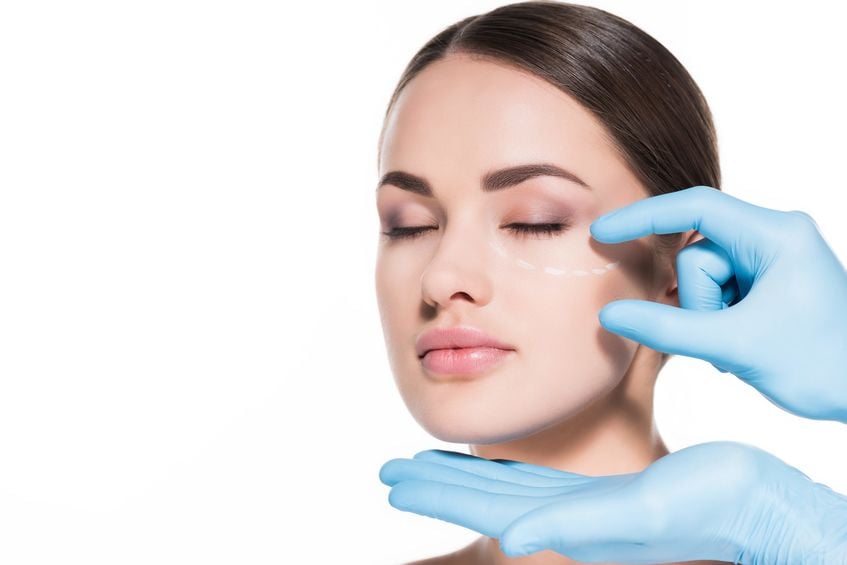
Improved Appearance With Blepharoplasty?
Advances in surgical technique have transformed lower blepharoplasty into a more refined, natural-looking procedure. Earlier approaches often focused on aggressive fat removal, which sometimes created a hollow or fatigued appearance. Contemporary methods emphasize the preservation and repositioning of fat rather than removal alone. Improved understanding of facial anatomy has allowed surgeons to maintain volume where needed. As a result, outcomes now appear smoother, brighter, and more youthful without an overcorrected look.
Blepharoplasty basics
Lower blepharoplasty is a surgical procedure designed to improve the appearance of the lower eyelids. Treatment targets bags under the eyes, puffiness, and contour irregularities caused by fat displacement and skin changes. Surgeons access fat pads through small incisions placed inside the eyelid or just below the lash line. Excess fat may be repositioned while loose skin and muscle are carefully adjusted. The goal is to create a smoother transition between the lower eyelid and the cheek while preserving a natural, more well-rested appearance.
Evolving surgical techniques
Recent technological innovations have shifted the focus of blepharoplasty toward subtle contouring and structural support. Fat repositioning redistributes existing volume to fill hollows and smooth transitions between the lower eyelid and cheek. Muscle support techniques help maintain eyelid integrity and reduce the risk of complications. Smaller, well-concealed incisions allow for precise adjustments with minimal visible scarring. In some cases, surgeons can combine lower blepharoplasty with a canthopexy or canthoplasty to reinforce and tighten the outer corners of the eyelids and prevent sagging. Given the expected results, blepharoplasty remains a popular procedure, with hundreds of thousands of people undergoing the surgery every year.
Recovery and expected results
After lower blepharoplasty, recovery timelines vary, but most individuals return to normal routines within 10-14 days. Swelling and bruising gradually improve over several weeks, with results becoming more apparent as tissues settle and healing progresses. Improvements typically include smoother contours, reduced puffiness, and a more rested appearance. Long-lasting results are common, especially when combined with healthy lifestyle habits.
Who benefits most?
Candidates for lower blepharoplasty often include adults with persistent under-eye bags, puffiness, or shadowing that does not improve with topical treatments. Good skin elasticity and overall health support optimal healing and good results. Individuals seeking subtle enhancement rather than dramatic change tend to benefit most from modern blepharoplasty techniques. Individualized planning remains essential for achieving balanced, natural outcomes.
A more refreshed appearance
Modern lower blepharoplasty offers a significant advancement in facial rejuvenation. An emphasis on preservation, repositioning, and precision has redefined expected outcomes. Natural contours and youthful volume can now be restored without creating a tired or artificial look. Individualized aesthetic goals, careful technique selection and experienced surgical planning all play a critical role in the overall success of the procedure.
Related Posts...
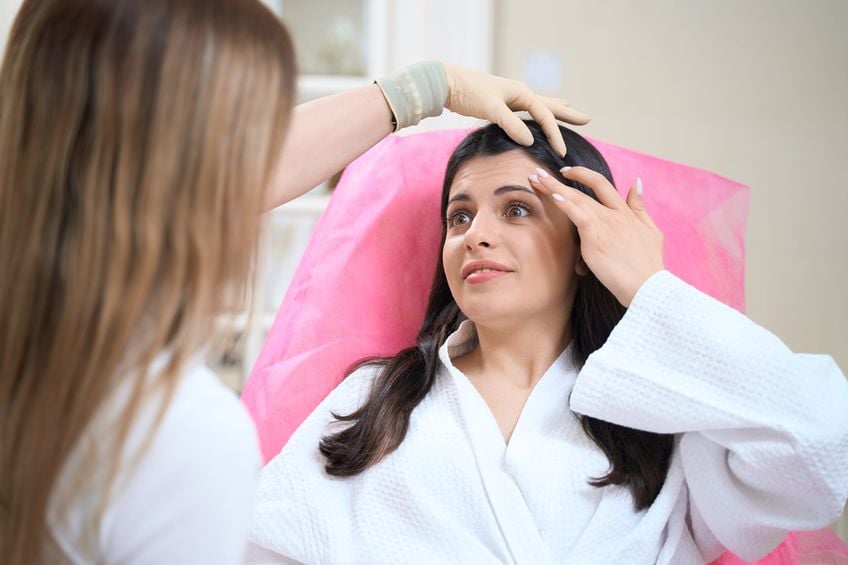
Aging around the eyes needs a specific procedure. Learn whether blepharoplasty or a brow lift is best.
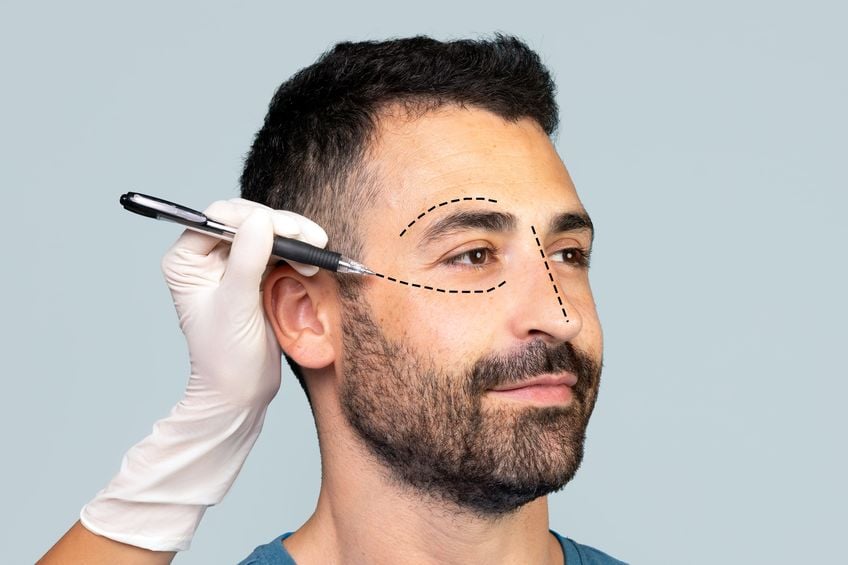
Turn back the clock on tired eyes. See how combining upper and lower blepharoplasty restores both appearance and function.
A facelift can tighten loose skin, but surgery cannot undo years of sun damage or poor skin health. Learn why skin quality matters before surgery.
A neck lift can address concerns a facelift alone may not fully correct. Learn why the procedures are frequently paired and when combining them makes sense.