
Share
Share
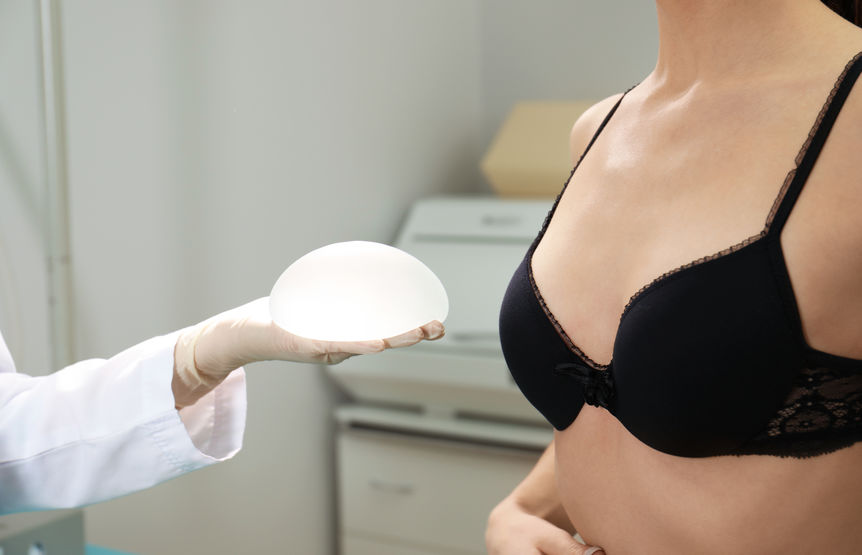
Understanding Implant Encapsulation
Breast augmentation, where implants help improve the size, shape, and symmetry of breasts, has high success and satisfaction rates. Like other surgical procedures, there are risks, complications, and considerations. One particular issue is the chance of implant encapsulation, also called capsular contracture. Implant encapsulation occurs during the healing process when scar tissue naturally forms around the implant. Sometimes, the scar tissue becomes abnormally thick, hard, and tight around the implant, causing unpleasant symptoms. This new capsule formation may need immediate treatment. Learning the signs and taking action allows women to enjoy the benefits of breast augmentation.
Don’t ignore these signs and symptoms
As capsular contracture forms, there are significant signs, symptoms, and risks. The implant can feel especially firm, followed by pain and discomfort. In some cases, the implant moves out of place, creating a visible deformity. Implant encapsulation can range from mild with minimal symptoms to severe with physical and visible signs. Most cases are due to an exaggerated immune response. The body sees the implant as a threat and rapidly forms scar tissue for protection. Factors like infections and implant ruptures often increase the risk of capsular contracture. If left unaddressed, breast shape changes, chronic pain, implant displacement, and general dissatisfaction can occur.
Your treatment options
Breast augmentation typically takes 3 months to complete healing and up to 6 months for final results. Implant encapsulation can occur during this time, but is also possible long after surgery. In early stages where symptoms are mild, a doctor can provide pain medication and recommend consistent massage to break down scar tissue. Anti-inflammatory drugs reduce the body’s inflammatory response, which may slow scar tissue formation. Wearing compression garments also supports healing and limits scar tissue. More severe cases can benefit from corticosteroid injections, ultrasound waves, or other forms of wave therapy to break up scars and relieve pain.
Do you need corrective surgery?
Moderate to severe cases of implant encapsulation need surgical correction. At this stage, significant pain or implant displacement creates an unappealing appearance. There are different surgical approaches available depending on what the surgeon observes using physical tests or imaging. Some cases need capsulotomy, a procedure where incisions loosen the scar tissue and support the healing process. A capsulectomy removes the entire enclosure, including the trapped implant. At this stage, an implant replacement is also required. Changing the implant may involve adjusting the type or location of the implant to reduce the risk of future encapsulation.
Enjoy your breast implants
Breast implants are designed to improve size, shape, and overall appearance. Complications like capsular contracture remain possible. The scar tissue formation can be painful, uncomfortable, and in many cases, cause implant deformities. Look for these symptoms and work with a doctor immediately. With pain management or surgical correction, women can enjoy the results while minimizing pain and the risk of another implant encapsulation.
Related Posts...

A pre-op breast augmentation checklist helps. Learn what to do leading up to surgery for optimal results.

Ready for a balanced, natural-looking breast enhancement? Combine augmentation with fat transfer.
Going bigger the second time involves more than choosing a larger implant. Learn what surgeons consider during breast revision surgery.

Wondering why breast augmentation alone may not be enough? Learn when sagging, stretched skin, and volume loss may require a lift as well.