
Share
Share
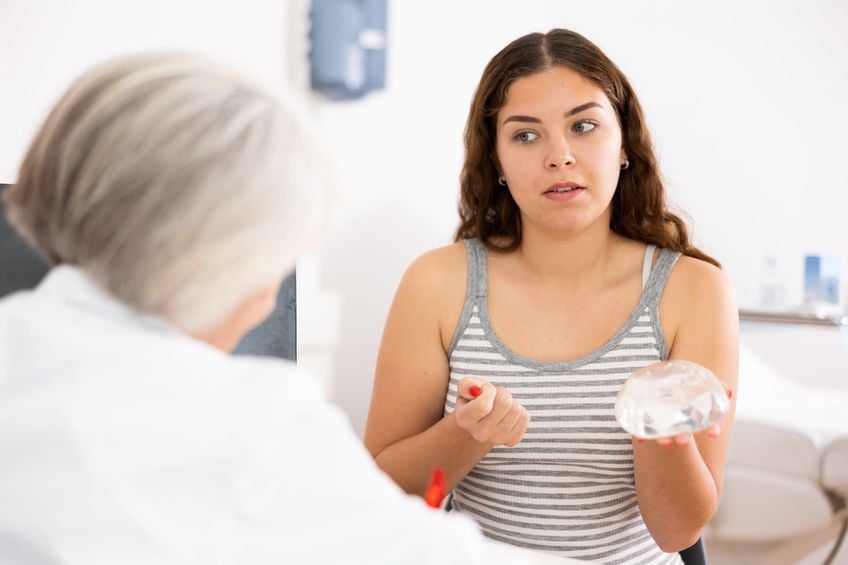
Getting Ready For Breast Augmentation?
Breast augmentation represents a significant decision, but the journey starts long before the operation. The weeks leading up to surgery are crucial for optimizing patient safety, comfort, and results. Many patients focus on the surgery but underestimate how proper pre-operative preparation influences outcomes. The simplest of steps before entering the operating room significantly impact how smoothly surgery proceeds, recovery speed, and even satisfaction rates. Patients who prepare are not leaving success solely in the hands of surgeons. While individuals are eager to try pre-op breast augmentation, most do not know where to start. Following a simple checklist weeks or even days before surgery increases the chances of success.
Medical preparation and clearance
An often-overlooked step, especially in younger patients, is a failure to get medical checks to get the all-clear for surgery. Get a checkup with a primary care physician (PCP), even if the plastic surgeon has not asked for a medical. A PCP can identify any underlying health conditions, medication interactions, or risk factors that might complicate surgery or recovery. During the appointment, disclose all medications, supplements, and herbal products in use so the PCP can recommend what to continue or stop. Some basic substances like non-steroidal anti-inflammatory drugs (NSAIDs) or aspirin can increase bleeding risk. Reveal any existing chronic diseases or treatment. The doctor can work with the surgeon to ensure a safe procedure. This step is critical and can ensure a safe procedure and effective recovery.
Lifestyle modifications matter
The weeks before surgery are the ideal time to optimize overall health. Start eating a nutritious diet rich in protein, fruits, and vegetables to support healing capacity. The effects of dietary changes will start long before surgery, increasing effectiveness. This is also a great time to build a hydration habit by drinking adequate water daily. Quit smoking several weeks before surgery to reduce complications risk and improve recovery success. If sedentary, begin a gentle exercise routine. Patients in better cardiovascular health typically recover faster and experience fewer complications. At the same time, avoid strenuous exercise the final week before surgery to prevent injury or excessive inflammation. Reducing stress levels also helps, so try to get adequate rest, practice mindfulness, and wrap up or postpone challenging projects.
Prepare for recovery
While recovery is not extremely difficult, preparing well in advance makes the process easier. In the days leading up to surgery, start arranging the home for recovery. Create a space to rest and sleep that is conducive to recovery. Add extra pillows, an elevated sleep space, easy access to medications and entertainment, and proximity to the bathroom. Stock the kitchen with easy-to-prepare foods, healthy snacks, and hydration. Arrange transport after surgery and to follow-up visits with a friend or family member. Issues like child care or household responsibilities should be arranged in advance. Fill any pain medication prescriptions and get a checklist of complications to communicate with the surgeon faster.
Iron out the details
Attend all pre-operative appointments. These visits establish critical baseline information and ensure patients are cleared for surgery. Bring results from the PCP, a complete medication list, insurance information, and any other relevant information. Discuss final sizing decisions and confirm the surgical plan in detail. Review the consent forms completely and ask any remaining questions, as surgery day is not the time for uncertainty. Get a list of all post-operative instructions including activity restrictions, medication schedules, and warning signs requiring immediate medical attention. On the day of surgery, follow all pre-operative instructions precisely, including fasting requirements and medication timing. Wear comfortable clothing without tight waistbands or restrictive fabrics. Doctors do recommend at least 1 week off from work for recovery with limited activity. Plan post-operative follow-up appointments in advance, ensuring there are no barriers to attending all required visits.
Arrive ready and confident
When all bases are covered, patients come to breast augmentation appointments well-prepared physically and mentally. This sets the foundation for optimal outcomes. Even with the best of plans, things can go wrong. Arrive early to complete check-in procedures without rushing and have emergency contacts in place. Remember that the surgical team performs hundreds of procedures safely, so trust the professionals. A thorough pre-operative preparation checklist combined with the surgeon’s expertise creates the ideal circumstances for achieving beautiful, natural-looking results and smooth recovery.
Related Posts...

Ready for a balanced, natural-looking breast enhancement? Combine augmentation with fat transfer.
Going bigger the second time involves more than choosing a larger implant. Learn what surgeons consider during breast revision surgery.

Wondering why breast augmentation alone may not be enough? Learn when sagging, stretched skin, and volume loss may require a lift as well.

Many women worry about breast augmentation scars before surgery. Learn what influences scar healing and how scars typically fade over time.