
Share
Share

Providing Support In A Pivotal Moment
Every year, millions of people undergo cosmetic surgery. Whether opting for breast implants, body contouring, or a facelift, the overall goal is the same. People want to improve body profiles and gain confidence. While finding a board-certified plastic surgeon is the first step in having a successful procedure, having the right support group is also critical. From assisting physically to lending a sympathetic ear, loved ones can support a person undergoing cosmetic surgery in many ways.
1. Be sympathetic
Depending on the exact procedure, cosmetic surgery is a topic that can cause people to have very strong opinions. Whether a person is supportive of elective surgeries or not, supporting an individual undergoing a procedure is important. Remember that in most cases, plastic surgery is classified as major surgery. So, even if not entirely in agreement with the treatment, avoid standing on a soapbox and proclaiming disagreements loudly.
2. Offer assistance
For most patients, the first days after undergoing a cosmetic procedure are the hardest. Specifically, individuals will need help getting to and from the treatment center or hospital. Offer to be that helpful person. If possible, assist with basic household tasks in the initial days after surgery. Help cook meals or order takeout, fill prescriptions, and assist with small tasks around the house that might be prohibited during the initial recovery period.
3. Be a buddy
As a friend or relative heals from surgery, original activities may slowly resume. Depending on the procedure, consider taking a friend shopping for new clothes to show off that post-op body. Or, be a fitness buddy that helps motivate the individual to return to previous exercise levels. Positivity can go a long way toward boosting healing outcomes. Don’t be shy to compliment a person’s new shape or profile when the opportunity arises.
4. Be supportive
Plastic surgery, body identity, and self-esteem are inextricably linked. While getting the approval of others isn’t a recommended goal for undergoing a procedure, individuals often report higher self-esteem after completing the recovery period. However, being self-conscious early on while bruising, swelling, and tightness might be present is also equally normal. Be a champion for loved ones with words of encouragement to ease fears or anxieties during this time.
Make recovery less lonely
Opting for any type of plastic surgery is a serious decision. Along with the significant associated cost, people must also contend with personal anxieties and societal pressures. Loved ones should be cognizant of these concerns, serving as understanding support rather than judgmental naysayers. Additionally, don’t forget that recovering plastic surgery patients will also need tangible assistance, especially in the initial days following the procedure.
Related Posts...
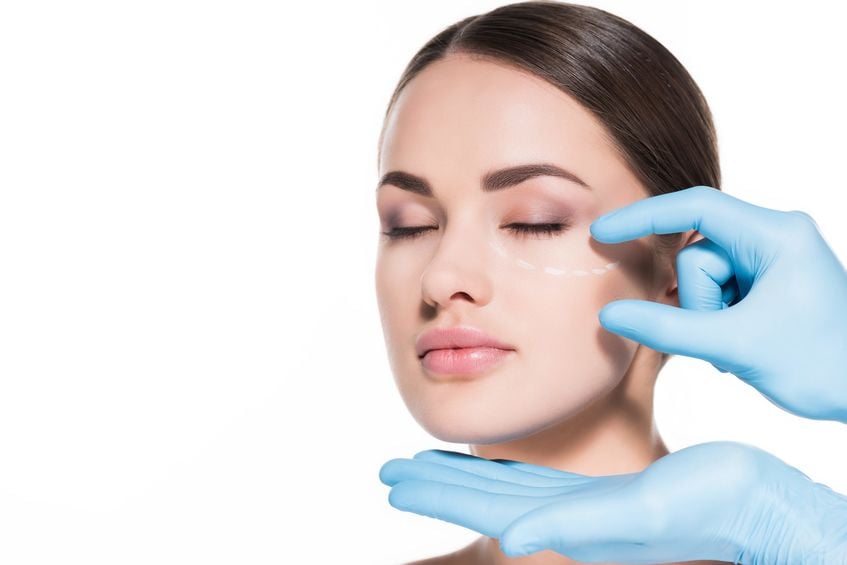
Modern lower blepharoplasty uses fat repositioning and preservation to smooth under-eye bags while maintaining natural volume and a refreshed appearance.
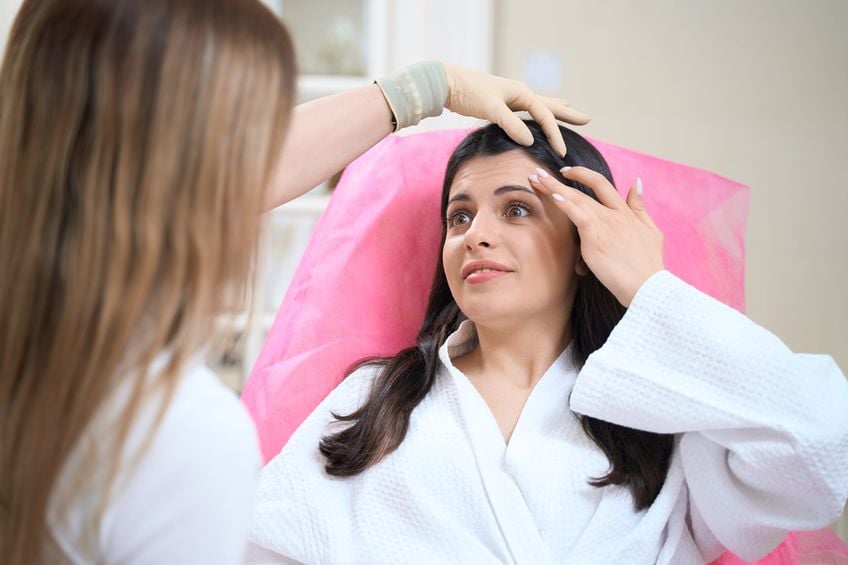
Aging around the eyes needs a specific procedure. Learn whether blepharoplasty or a brow lift is best.
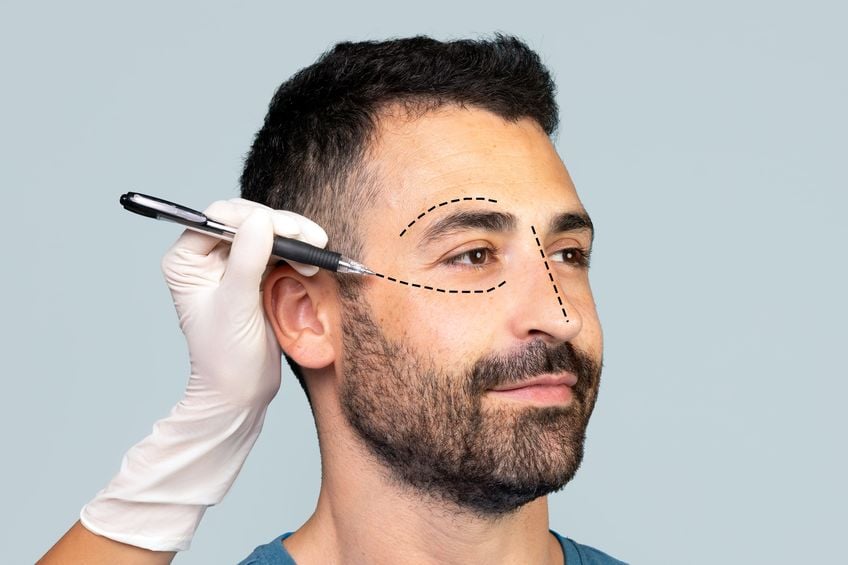
Turn back the clock on tired eyes. See how combining upper and lower blepharoplasty restores both appearance and function.
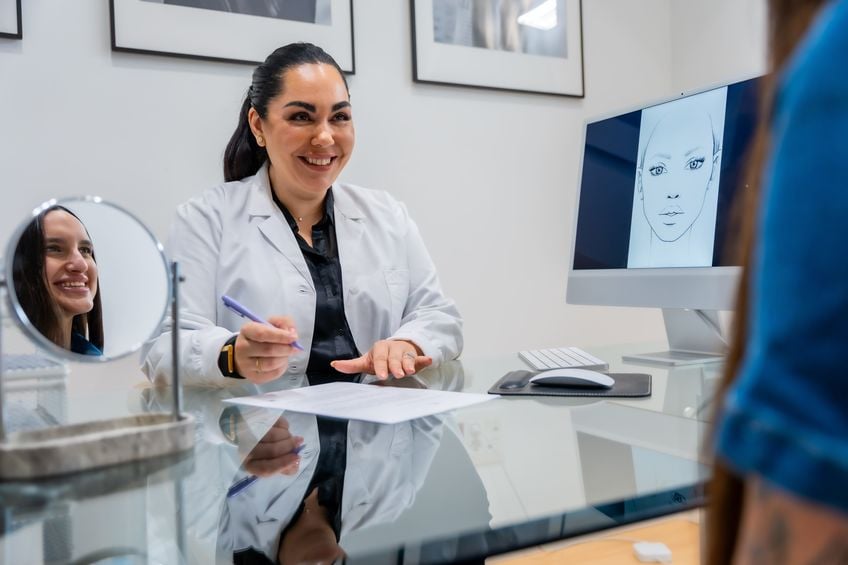
A facelift can tighten loose skin, but surgery cannot undo years of sun damage or poor skin health. Learn why skin quality matters before surgery.