
Share
Share
Which Option Makes Sense?
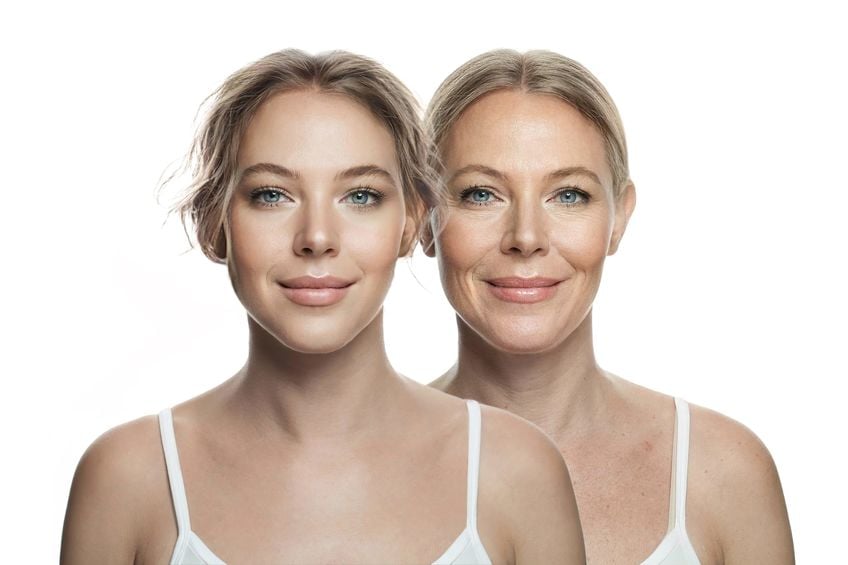
Changes in the mirror do not always come from a single source. Fine lines, uneven texture, and sun damage affect the surface of the skin. At the same time, sagging along the jawline or neck can change overall facial shape and definition. Skin resurfacing and facelift procedures target different concerns, which is why choosing the right approach depends on what stands out most.
When texture stands out
Skin resurfacing focuses on improving surface-level concerns. Treatments can help soften fine lines, smooth uneven texture, and reduce the appearance of sun damage or discoloration. Collagen production increases after treatment, which can improve skin tone over time. Results often look subtle but noticeable, especially in areas where texture feels rough or uneven.
When the shape changes
A facelift addresses changes that happen beneath the surface. Sagging skin, jowls, and deeper folds often develop as underlying support weakens over time. Lifting and repositioning deeper layers can restore definition along the jawline and neck. Improvements tend to be more noticeable because the overall shape of the face changes, not just the surface.
Why results feel different
Skin resurfacing improves how the skin looks and feels. A facelift changes how the face is shaped. Surface treatments can create smoother, brighter skin, but cannot fully correct loose skin or deeper sagging. Structural procedures can restore contour but do not directly improve tone or texture in the same way. Each option solves a different part of the aging process.
Why combine both
Addressing only the surface or structure can leave part of the face untouched. Combining treatments can improve both skin quality and facial definition at the same time. Smoother skin paired with a more defined jawline often creates a more balanced result. A combined plan can also allow recovery to happen during a single timeframe rather than separate treatments months apart.
Finding the right fit
The right approach usually comes down to what stands out most. Fine lines, discoloration, or uneven texture may point toward skin resurfacing. Sagging along the jawline or neck may point toward a facelift. Looking at changes up close, especially in photos or certain lighting, can help make the differences easier to spot. A detailed evaluation can help match treatment to specific concerns and avoid unnecessary procedures.
How long results last
Skin resurfacing can improve tone and texture for months or longer, but results usually need upkeep over time. A facelift tends to last longer because the underlying structure is lifted, not just the surface. Aging still continues, but stronger support helps maintain definition for years. The choice often comes down to ongoing maintenance versus a longer stretch between treatments.
A more balanced outcome
Aging affects both skin quality and underlying structure. Focusing on only a single area can leave results feeling a bit off. A more balanced approach can create results that look natural and feel right day to day. Addressing both at the same time can help avoid a mismatch between smoother skin and sagging that does not seem to go away.
Related Posts...
Modern lower blepharoplasty uses fat repositioning and preservation to smooth under-eye bags while maintaining natural volume and a refreshed appearance.
Aging around the eyes needs a specific procedure. Learn whether blepharoplasty or a brow lift is best.
Turn back the clock on tired eyes. See how combining upper and lower blepharoplasty restores both appearance and function.
A facelift can tighten loose skin, but surgery cannot undo years of sun damage or poor skin health. Learn why skin quality matters before surgery.