
Share
Share
Which Facelift Lasts Longer?
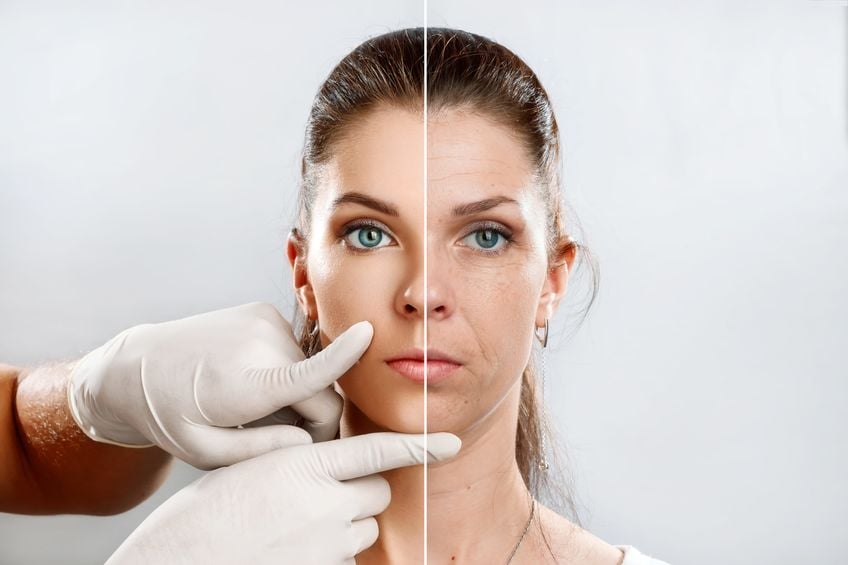
Choosing a facelift is a big decision, and choosing between techniques can feel even more overwhelming. Deep plane and superficial musculoaponeurotic system (SMAS) facelifts are frequently compared, leaving many patients wondering which delivers better results. While both procedures can improve jowls, facial sagging, and loss of definition, the differences go beyond surgical technique. Longevity, recovery, and the degree of aging being treated all play a role in determining which approach may be the better fit.
A tried and true technique
SMAS facelifts have remained popular for decades because the technique can address facial sagging without the deeper dissection required during a deep plane facelift. Rather than focusing on the skin alone, the procedure lifts and repositions underlying facial tissue to improve definition through the jawline, cheeks, and neck. For many patients with mild to moderate signs of aging, a SMAS facelift offers a balance between noticeable improvement and a less extensive recovery.
Why some go deeper
Patients looking for results that hold up well over time turn to deep plane facelifts. The procedure works at a deeper level than a SMAS facelift, allowing facial tissues to be repositioned rather than simply tightened. That difference can be particularly beneficial when jowls become heavier, folds around the mouth deepen, or the cheeks begin to lose support. For patients with more advanced facial aging, the technique may provide a level of correction that is harder to achieve with less extensive procedures.
Which looks more natural?
Longevity is important, but most patients also want results that do not look obvious. Deep plane facelifts are often praised for natural contours and facial movement because tissues are repositioned at a deeper level rather than tightened through the skin. Still, both deep plane and SMAS facelifts can produce natural-looking results when matched to the degree of aging being treated.
How long results last
Few people considering facelift surgery want to wonder whether the results will still look good several years down the road. While both procedures can provide long-lasting improvement, deep plane facelifts may provide results that last longer. SMAS facelifts typically last 5-10 years, while deep plane facelifts may maintain improvement for 10-15 years. Because the procedure repositions deeper facial structures, the results often hold up better as aging continues.
Finding the right fit
The best facelift technique is not necessarily the technique that works deepest or lasts the longest. Deep plane and SMAS facelifts each bring different advantages, and the right choice often depends on the changes being addressed. Factors such as facial anatomy, skin quality, recovery preferences, and long-term goals can all influence the decision. In many cases, the most satisfying results come from choosing the technique that best matches individual needs rather than chasing a single approach.
Related Posts...

Modern lower blepharoplasty uses fat repositioning and preservation to smooth under-eye bags while maintaining natural volume and a refreshed appearance.

Aging around the eyes needs a specific procedure. Learn whether blepharoplasty or a brow lift is best.
Turn back the clock on tired eyes. See how combining upper and lower blepharoplasty restores both appearance and function.

A facelift can tighten loose skin, but surgery cannot undo years of sun damage or poor skin health. Learn why skin quality matters before surgery.