
Share
Share

Should Recovery Look Like This?
Swelling is among the most common concerns after a facelift. Many patients expect some puffiness, but the amount of swelling during the early stages of recovery can still come as a surprise. Because facial tissues have been lifted and repositioned during surgery, swelling is a normal part of the healing process. In most cases, swelling alone is not a sign that something has gone wrong.
Trust the healing process
The first several days after surgery are often when swelling is most noticeable. The face may feel tight, appear fuller than expected, and temporarily hide many of the improvements created during surgery. Bruising is also common during the early recovery stage. Although the appearance can feel discouraging for some patients, early swelling is often part of the normal healing process rather than an indication of the final result.
Recovery takes time
Many patients see a significant improvement during the first few weeks after surgery, but recovery continues well beyond that point. While visible swelling continues to decrease, subtle swelling beneath the surface may remain present for months. Ongoing healing beneath the skin is a major reason facelift results often continue to improve long after patients feel physically recovered.
Why does swelling fluctuate?
Recovery rarely follows a perfectly straight line. Some patients notice more swelling in the morning, while others become concerned when a particular side appears slightly fuller than the other. Minor fluctuations and temporary asymmetry are often a normal part of healing. Focusing on overall improvement from week to week is usually more helpful than judging recovery based on changes from a single day.
When should swelling be a concern?
Although swelling is expected, certain changes require prompt attention. Swelling that suddenly becomes much worse, significant swelling affects only part of the face, increasing redness, unusual drainage, or severe pain may indicate a complication. Any unexpected change should be discussed with the surgical team rather than dismissed as a routine part of recovery.
Supporting a smoother recovery
Following postoperative instructions closely can help support healing. Keeping the head elevated, avoiding strenuous activity, staying hydrated, and limiting excess sodium may help reduce unnecessary swelling during recovery. While many patients are eager to return to normal routines, allowing adequate time for healing often supports a smoother recovery process. Small improvements from week to week are often a more reliable measure of healing than day-to-day changes.
Looking beyond the mirror
Swelling can make recovery feel slower than expected, especially during the first few weeks after surgery. However, healing continues long after bruising fades and daily activities resume. Knowing what to expect during recovery and when to contact a surgeon can help reduce unnecessary worry while allowing results to emerge gradually over time.
Related Posts...

Choosing between a facelift and thread lift is a tough decision. Learn which procedure brings real results.

Effective facelift recovery is critical to success. Here is what to expect week by week at each stage.
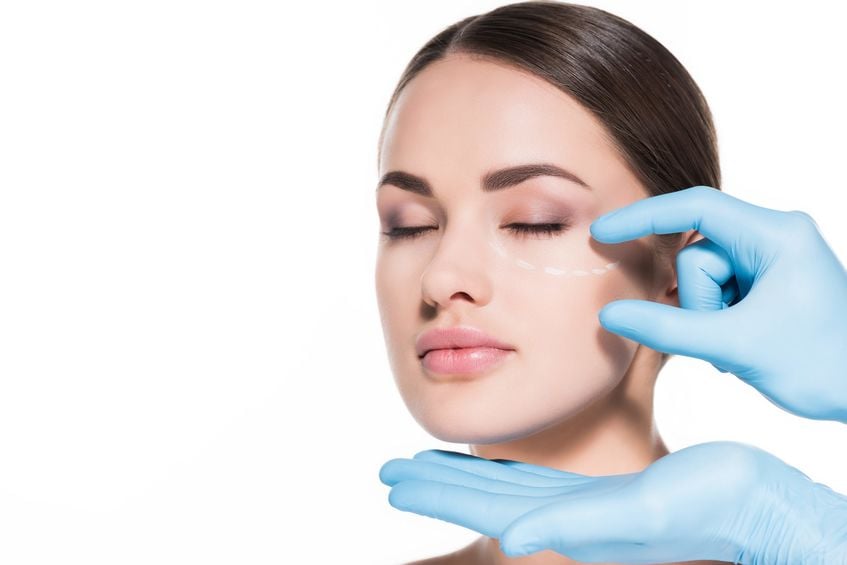
Modern lower blepharoplasty uses fat repositioning and preservation to smooth under-eye bags while maintaining natural volume and a refreshed appearance.

Aging around the eyes needs a specific procedure. Learn whether blepharoplasty or a brow lift is best.