
Share
Share

How Ready Are You To Recover?
A facelift is an effective procedure for restoring a more youthful facial appearance. By addressing sagging skin, jowls, and loss of jawline definition, surgeons can reset youthfulness and confidence. While modern facelift techniques produce natural-looking results, facelift recovery is just as important as the procedure. To achieve natural results with minimal complications, effective recovery is non-negotiable. Recovery, while important, can be time-consuming. Many patients are eager to know when swelling will improve and when a return to work is possible. Almost all want to know the timeline before seeing the final outcome. Although every individual heals differently, understanding the typical week-by-week recovery timeline can help patients prepare effectively.
The first week
The initial days after surgery are focused on protecting the surgical repair and allowing the body to begin healing. Swelling, bruising, tightness, and mild discomfort are expected during this stage. Many patients describe the sensation as tightness or pressure rather than severe pain. The surgeon will prescribe medications, including anti-inflammatory drugs, to keep discomfort well controlled. Bandages are often applied immediately after surgery, and some patients have temporary surgical drains to prevent fluid buildup. This week is about following instructions to reduce the risk of complications. Walking short distances around the home is encouraged to promote healthy circulation, but strenuous activity should be avoided. Keeping the head elevated, even while sleeping, helps reduce swelling during this early phase. Most patients also attend a first follow-up appointment during week 1, so the surgeon can monitor healing and remove drains or dressings if necessary.
A week 2 return
By the 2nd week, many patients begin noticing improvements in both swelling and bruising. Some discoloration and puffiness will remain. At the same time, new facial contours become easier to notice as healing progresses. Tightness and mild numbness are still common, particularly around the ears and along the incision lines. At this stage, this is simply mild discomfort, and no significant pain medication is needed. Most facelift patients feel comfortable returning to desk work or even going out with friends at the end of the 2nd week, but only with the surgeon’s approval. At the same time, heavy lifting, vigorous exercise, and activities that increase blood pressure are strictly prohibited. Incisions continue to heal during this stage, so patients should carefully follow all wound care instructions to reduce scar formation.
Enjoying weeks 3 and 4
During weeks 3-4, recovery often accelerates. Most visible bruising is gone, and swelling continues to decrease. This is the stage where facial features begin appearing more natural as tissues settle into new positions. Some patients may still notice and feel subtle swelling. Patients usually regain more comfort with facial movements and daily routines. This is a great opportunity to resume walking and low-impact exercise once approved by the surgeon. Incision sites typically continue fading, though some may still be visible. At this stage, friends, coworkers, and family notice the results
Refinement in 4-12 weeks
This is where patients truly see the benefits of the facelift. As healing continues over the following months, facial contours become increasingly refined. Residual swelling is all but gone, allowing the jawline, cheeks, and neck to reveal an improved definition. Areas of temporary numbness often begin to improve as small nerves recover, although sensation may continue returning gradually over several months. Normal daily activities are approved by this point, including exercise and social engagements. Several weeks later, scars begin to mature with incision lines only visible upon close inspection. The goal at this stage is to maintain the results through good skincare habits, minimizing sun exposure, optimal hydration, and a healthy diet.
Patience leads to lasting results
Facelift surgery does not produce overnight results. This is a calculated, gradual process with improvements more noticeable each week. The first few weeks require patience and careful adherence to postoperative instructions. When followed correctly, most patients steadily regain comfort and confidence as swelling subsides and facial contours emerge.
Each stage may require a visit to the surgeon to ensure optimal progress. Even though each week looks similar, every recovery is unique. Individual timelines vary based on factors such as age, overall health, surgical technique, and the extent of the procedure. With time, proper care, and weekly care, a facelift can provide long-lasting facial rejuvenation.
Related Posts...

Choosing between a facelift and thread lift is a tough decision. Learn which procedure brings real results.

Swelling after a facelift can be frustrating and sometimes unsettling. Learn what is normal, what is not, and when to call your surgeon.
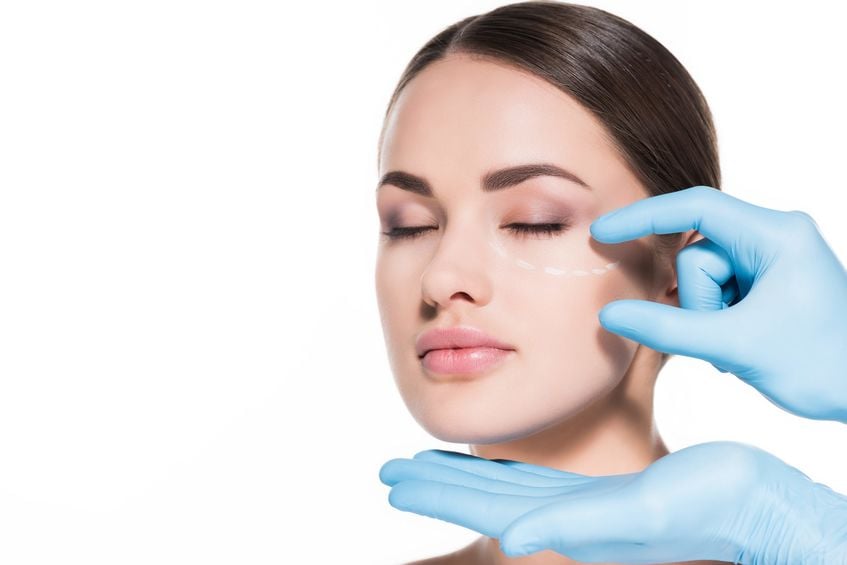
Modern lower blepharoplasty uses fat repositioning and preservation to smooth under-eye bags while maintaining natural volume and a refreshed appearance.

Aging around the eyes needs a specific procedure. Learn whether blepharoplasty or a brow lift is best.