
Share
Share

What Should You Ask During A Consultation?
Before scheduling a facelift, many patients spend weeks researching surgeons, comparing results, and reading reviews. While online research can be helpful, some of the most important information comes directly from the consultation. Asking the right questions can provide valuable insight into experience, surgical approach, and overall philosophy of care.
Ask about training and experience
Board certification should be part of every facelift consultation. Patients should verify that a surgeon is certified by a recognized plastic surgery or facial plastic surgery board and has experience performing facelift procedures. While credentials matter, experience with facelift surgery can be just as important when evaluating potential surgeons.
Discuss facelift experience
Not all plastic surgeons perform facelifts with the same frequency. During a consultation, patients should ask how often facelift procedures are performed and whether experience extends to specific techniques under consideration. For example, patients interested in a deep plane facelift or mini facelift may want to know how frequently the procedures are performed and what results can typically be expected.
Review past results
Photos from previous facelift patients can show the type of results a surgeon typically achieves. Looking at patients with similar facial features, skin quality, and aging concerns can help set more realistic expectations. Pay attention to details such as the jawline, neck, and overall facial appearance rather than focusing on dramatic transformations alone.
Discuss the recommended technique
Facelifts are not all performed the same way. During a consultation, ask why a particular technique is being recommended and what concerns it is intended to address. For example, patients may want to know whether a deep plane facelift, superficial musculoaponeurotic system (SMAS) facelift, or mini facelift is being recommended and how that choice could affect recovery, scarring, and results.
Ask about complications
Safety-related questions deserve just as much attention as cosmetic results. Patients should ask who will administer anesthesia, whether the procedure will be performed in an accredited surgical facility, and what protocols are in place if complications occur. Understanding how a surgical team prepares for unexpected situations can provide reassurance before moving forward with treatment.
Understand recovery expectations
Many patients focus on surgical results but spend less time discussing recovery. During a consultation, ask how much time may be needed away from work, when normal activities can resume, and what healing typically looks like during the first few weeks. Understanding the recovery process ahead of time can make it easier to plan for assistance at home, social commitments, and time away from daily responsibilities.
Choosing the right fit
Selecting a facelift surgeon involves more than reviewing credentials or comparing photos online. The consultation provides an opportunity to ask questions, evaluate communication style, and gain a better understanding of the proposed treatment plan. Taking time to have in-depth conversations can help patients make a more informed decision and feel more comfortable moving forward with surgery.
Related Posts...

Modern lower blepharoplasty uses fat repositioning and preservation to smooth under-eye bags while maintaining natural volume and a refreshed appearance.

Aging around the eyes needs a specific procedure. Learn whether blepharoplasty or a brow lift is best.
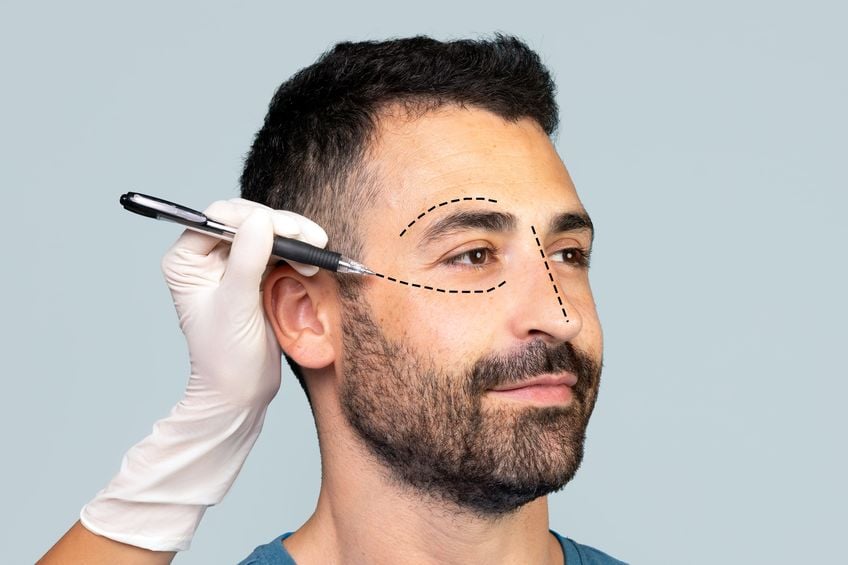
Turn back the clock on tired eyes. See how combining upper and lower blepharoplasty restores both appearance and function.
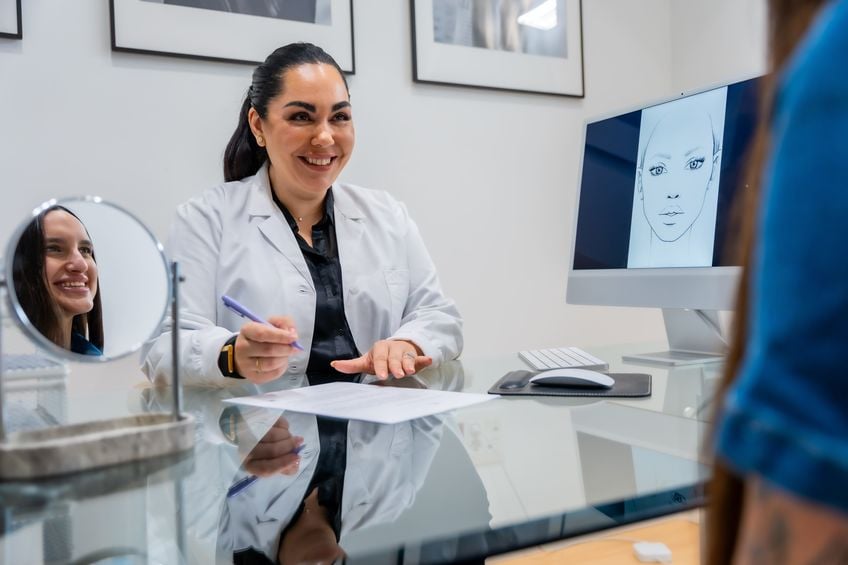
A facelift can tighten loose skin, but surgery cannot undo years of sun damage or poor skin health. Learn why skin quality matters before surgery.