
Share
Share
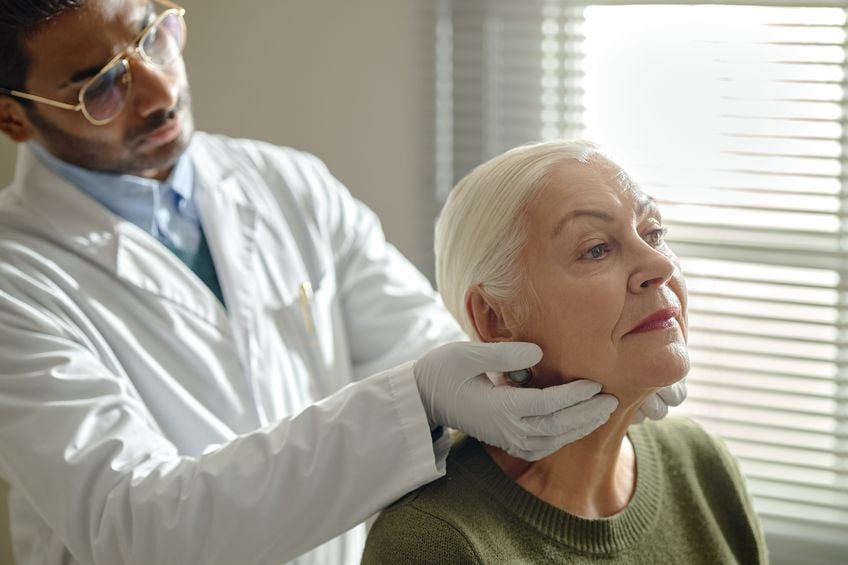
Does Facelift Timing Matter?
Many people considering a facelift wonder whether the timing is right. Some worry about making the decision too soon, while others wonder whether better results would have come from acting years earlier. The answer rarely comes down to age alone. Changes in skin elasticity, facial volume, jawline definition, and overall health often have a much greater impact on surgical planning. For that reason, facelift recommendations at 50 may look very different from recommendations at 60 or 70.
Timing changes everything
Facial aging rarely happens all at once. What begins as mild jowling or a softer jawline can gradually progress to deeper folds, volume loss, and more noticeable changes in the neck. As those concerns evolve, surgical planning often evolves as well. A facelift performed during the 50s may focus on different priorities than a facelift performed during the 60s or 70s.
The sweet spot
For many people, the 50s are when facial aging becomes harder to ignore. Early jowls, a softer jawline, and mild changes in the neck often start to affect facial definition. At the same time, skin usually retains enough elasticity to respond well to surgical repositioning. The combination of factors often allows for noticeable improvement without the more extensive correction that may become necessary later in life.
More than lifting
Facial aging during the 60s often extends beyond loose skin. Deeper folds around the mouth, increased jowls, neck banding, and volume loss in the cheeks tend to become more noticeable around age 60. For that reason, facelift surgery is frequently combined with procedures such as a neck lift or structural fat grafting. Addressing multiple age-related changes at the same time can produce a more complete improvement than lifting alone.
When health takes center stage
Turning 70 does not automatically rule out facelift surgery. While facial aging is often more advanced around age 70, overall health remains an important factor in determining candidacy. Significant skin laxity, heavier jowls, and neck aging can still be addressed through a customized surgical plan. For many healthy adults, age is less important than the ability to recover safely and achieve a worthwhile result.
Beyond the facelift
A facelift can improve many visible signs of aging, but the procedure cannot address every concern. Neck aging, volume loss, and changes in skin quality often require additional treatments such as a neck lift, structural fat grafting, or skin resurfacing. Combining procedures allows surgical planning to address several age-related changes at once rather than focusing on a single area of the face.
Finding the right time
Facelift surgery at 50, 60, and 70 often involves different priorities, but no single age works best for everyone. Some patients seek treatment at the first signs of jowling, while others wait until facial aging becomes more advanced. Rather than focusing on a specific decade, the decision often comes down to anatomy, overall health, and personal goals. The right time is simply the time when existing concerns begin to outweigh the desire to keep waiting.
Related Posts...
Modern lower blepharoplasty uses fat repositioning and preservation to smooth under-eye bags while maintaining natural volume and a refreshed appearance.
Aging around the eyes needs a specific procedure. Learn whether blepharoplasty or a brow lift is best.
Turn back the clock on tired eyes. See how combining upper and lower blepharoplasty restores both appearance and function.
A facelift can tighten loose skin, but surgery cannot undo years of sun damage or poor skin health. Learn why skin quality matters before surgery.