
Share
Share

Do Alcohol & Drugs Affect Surgery?
Local or general anesthesia is an integral part of any surgery. An anesthesiologist applies and controls special medication to put a patient to sleep or numb an area. Alcohol and recreational drug use, including stimulants, opiates, cannabinoids, and hallucinogens, can present dangerous challenges. About 20% of American adults use or misuse drugs, many of whom undergo surgeries every year. Both short-term and chronic abuse must be dealt with urgently before surgery, cosmetic or otherwise, can proceed.
How alcohol impacts anesthesia
Alcohol use can create complications during and after surgery, particularly liver function. The damaged liver can change how some medications and anesthesia affect the body, making surgery more difficult and dangerous. There is a chance of nausea, vomiting, and cardiac arrest. Alcohol also thins the blood, increasing bleeding and prolonging recovery. In cases of excessive alcohol use, using anesthesia can be fatal. Patients must discuss alcohol use in advance before any major surgery.
Can recreational drug use do the same?
From a more significant viewpoint, recreational drugs can seem harmless when used sporadically and in small amounts. However, these minor occasions can quickly turn into addiction and overdependency. When surgery is on the cards, these drugs can soon turn dangerous. Some recreational drugs slow breathing and heart rate. Some cases can prove toxic or fatal if these drugs are still in the system and combined with anesthesia. The opposite can happen for drugs like cocaine, LSD, and ecstasy, which accelerate the heart rate and nervous system. The result can be dangerous swings in blood pressure both before and after surgery.
Consequences of Using Substances Before Surgery
Surgical complications are more likely if you have an alcohol or drug use disorder. However, even one incidence of drinking or drug use before surgery can be trouble. General anesthesia involves powerful drugs that suppress functions such as breathing, heart rate, and blood circulation. The liver must metabolize all these substances, which may not be able to keep up with anesthesia. Patients who fail to stop or disclose drug or alcohol use risk severe complications during surgery.
Practice an abundance of caution
Before elective, cosmetic, or emergency surgery, any amount of recreational substances the risk of complications. An anesthesiologist can manage these patients in emergencies but must know in advance. Doctors recommend patients stop drinking at least 48 hours or longer before elective or cosmetic surgery. If quitting these substances is challenging, patients should seek advice from the surgeon and anesthesiologist. Let the team know of any excessive use, so both can implement a game plan.
Related Posts...
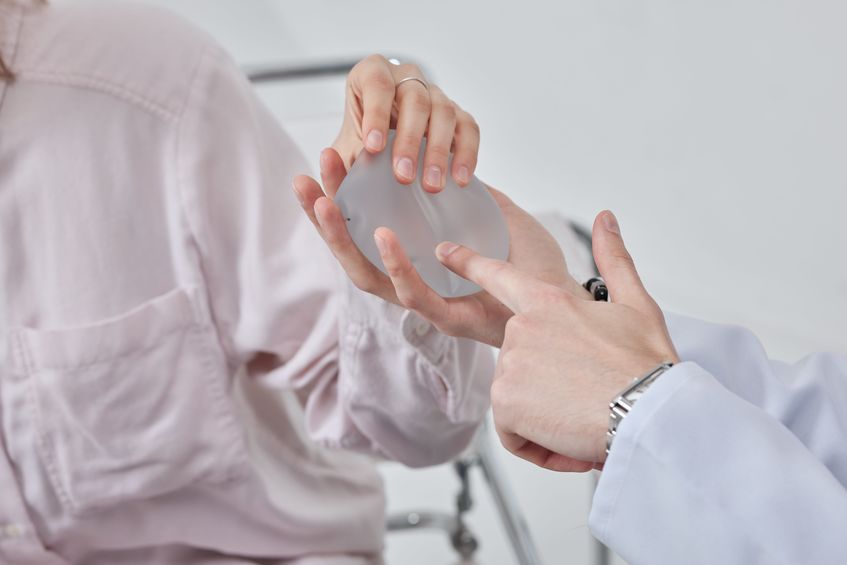
Wondering why breast augmentation alone may not be enough? Learn when sagging, stretched skin, and volume loss may require a lift as well.

Many women worry about breast augmentation scars before surgery. Learn what influences scar healing and how scars typically fade over time.

Capsular contracture can change how a breast implant looks or feels, sometimes years after surgery. Learn what to watch for and what treatment options exist.
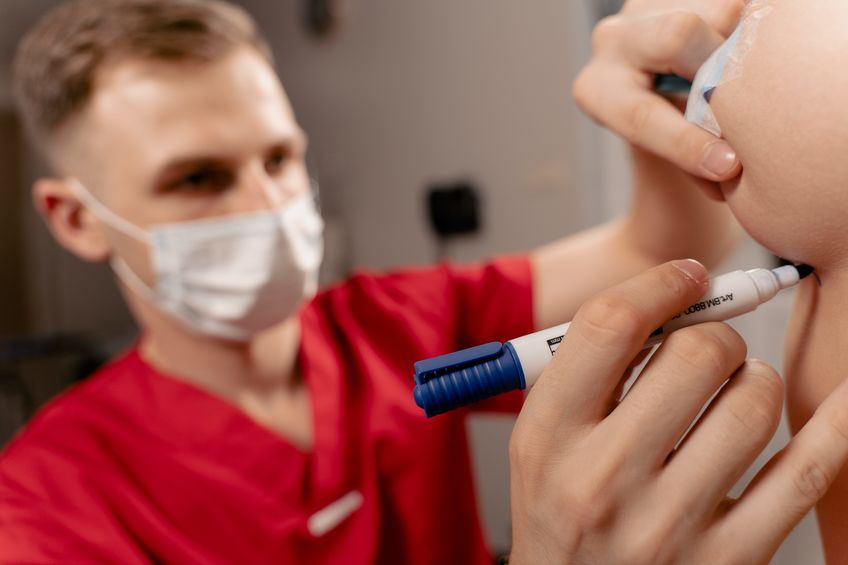
Choosing breast implant placement involves more than deciding what looks best. Learn how anatomy, recovery, and lifestyle can influence the recommendation.