
Share
Share

How Noticeable Will the Scars Be?
Every breast augmentation requires an incision, which means some degree of scarring is unavoidable. For many women, the bigger concern is not whether a scar will exist, but how noticeable the scar will be months or years later. Breast augmentation scars often fade considerably over time. Many patients are surprised by how much a scar changes during the first year after surgery. Incision placement, healing, and genetics can all influence the final appearance.
Does incision placement matter?
Breast augmentation can be performed through several different incision locations. A common location is the natural crease beneath the breast, where the scar is often hidden after healing. Other approaches may place the incision around the areola or within the armpit. Choosing an incision is not simply a matter of picking where the scar will go. Anatomy, implant selection, and long-term goals are all play a role in the decision.
When scars are most noticeable
Many patients become concerned when scars appear red, raised, or more noticeable during the first several weeks after surgery. The concerned reaction is understandable, especially when expectations are based on the final results seen in before-and-after photos. Fresh incisions rarely resemble the scar that will be present months later. The earliest stages of healing are often the most dramatic. As time passes, scars typically become flatter, softer, and less noticeable.
Scar fading takes time
Few aspects of breast augmentation create more anxiety than the thought of a permanent scar. What many patients do not realize is how much scars continue changing after the initial recovery period. During the first several months, scars often become flatter, softer, and lighter in color. Breast augmentation scars may continue fading for a year or longer. Many women are surprised to learn that healing is still taking place long after the incisions have closed.
Why scars heal differently
Genetics, skin tone, age, and other factors can all influence scar appearance. Some scars fade quickly and become difficult to notice, while others remain darker, wider, or more visible for a longer period of time. Differences in color, thickness, and fading speed are all common during the healing process. For that reason, scar healing can look very different from patient to patient.
Helping scars heal well
While no treatment can guarantee an invisible scar, scar care does not end when the incision closes. Activities that place extra tension on healing incisions can sometimes affect the way a scar develops. For that reason, recovery instructions are often designed to protect the incision during the earliest stages of healing. Some surgeons may also recommend silicone-based scar treatments after the skin has healed.
The difference time can make
Breast augmentation scars are permanent, but permanence does not mean a scar will always be highly visible. Scars continue changing long after the incisions have healed, often becoming flatter, softer, and less noticeable with time. While every patient heals differently, many women find that the scar becomes far less noticeable than expected during the early stages of recovery. Knowing how scars typically evolve can help put concerns about visible scarring into perspective before surgery.
Related Posts...
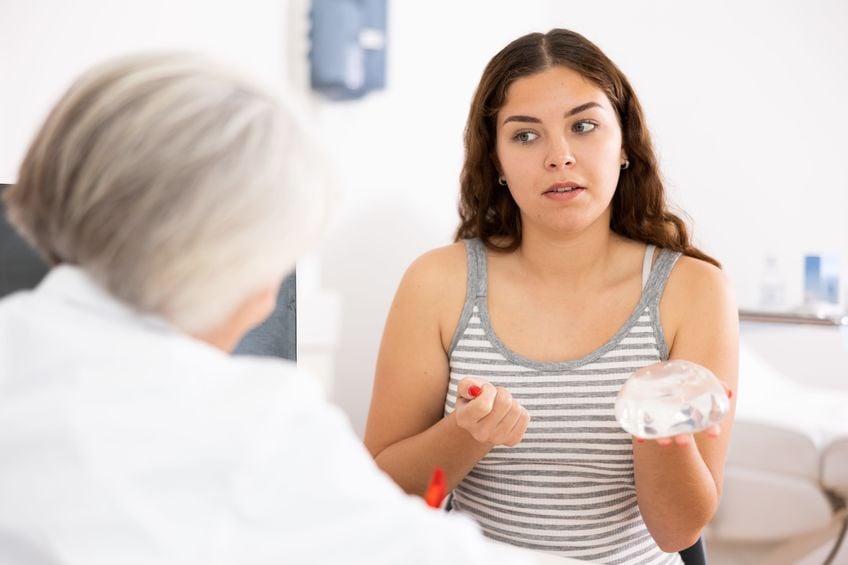
A pre-op breast augmentation checklist helps. Learn what to do leading up to surgery for optimal results.

Ready for a balanced, natural-looking breast enhancement? Combine augmentation with fat transfer.
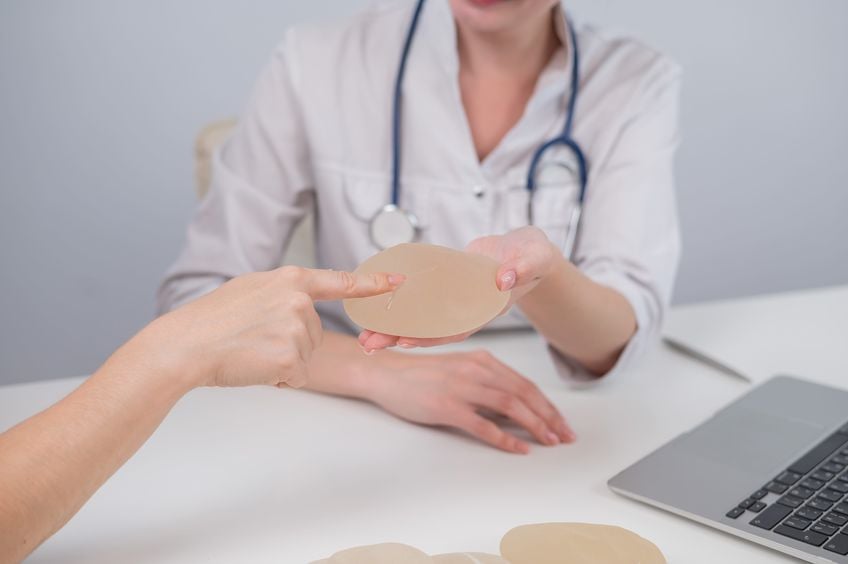
Going bigger the second time involves more than choosing a larger implant. Learn what surgeons consider during breast revision surgery.
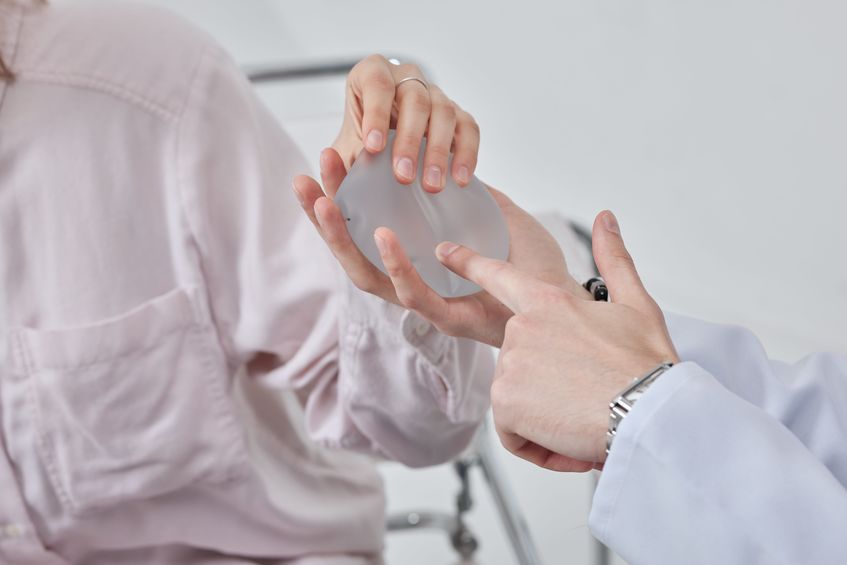
Wondering why breast augmentation alone may not be enough? Learn when sagging, stretched skin, and volume loss may require a lift as well.