
Share
Share
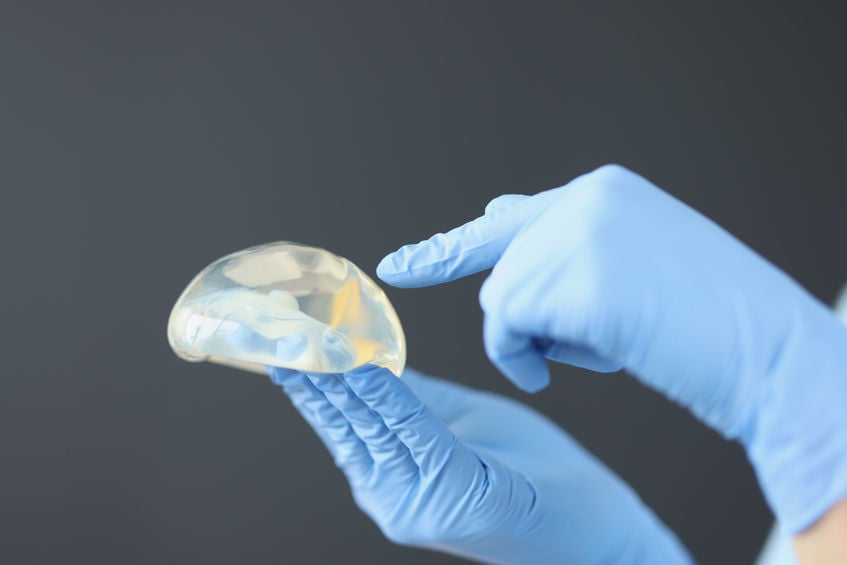
Worried About Breast Implant Rippling?
Breast implants are silicone or saline implants that are strategically placed among breast tissue to increase size, shape, and profile. While the procedure is safe and has high satisfaction rates, complications like implant rippling can occur. Saline implants can lose shape along the edges, making parts of the implant visible through the skin. Rippling is particularly visible or felt on the underside of the breast. Addressing rippling is more than changing the implant. Choosing the right implants, such as gummy bear implants, can limit rippling and prevent breast surgery complications.,
The problem with traditional implants
Saline and silicone implants are used to help women achieve the ideal size and shape. There are limitations, however, to these types, especially with respect to rippling. Saline implants have a sterile, saltwater solution. These implant types are more likely to ripple as the liquid can decrease or shift, causing ripples in the shell. Traditional silicone implants, on the other hand, are less likely to ripple. The silicone liquid filling, however, is still capable of moving and rippling. Women experiencing rippling or who want to avoid the potential complication may consider a new option in gummy bear implants.
Have you heard of gummy bear implants?
Gummy bear implants are a teardrop-shaped silicone implant. The material is thicker, highly cohesive, and a form stable. The name comes from the gel-like implant that is like gummy bear candies. The textured implant is specifically designed to reduce implant rippling. Choosing this implant means the implant will hold a natural, teardrop shape. The surgeon will place the gummy bear implant behind the chest wall. This submuscular installation helps to maintain a natural shape and aesthetic.
No more displacement or rippling
Complications are more likely with saline implants, including ruptures, rippling, and deflating. Changes in weight and issues like capsular contracture are more likely with silicone implants. These implants are also more likely to wear and tear, increasing the risk of rippling. As a result, doctors recommend replacing at the 10-year mark. Women hoping to fix implant rippling or ruptures that occur before the 10-year mark may need corrective surgery. Replacing the implants with gummy bear options limits these issues significantly. As the implants are a solid shape, ruptures are rare. Should a rupture occur, the implant can maintain a set shape and will not displace from the given position. Despite the benefits, patients are encouraged to have periodic imaging to ensure there are no ruptures.
Choose the best implant
Silicone and saline implants are reliable and last for years, but complications like implant rippling are an understandable issue for women. Many become concerned that breast augmentation is not providing the desired results. Some even lose confidence and self-esteem, hoping for a change or improvement. Addressing implant rippling starts with a consultation with a surgeon. The specialist will find the root cause of rippling and recommend a new gummy bear implant replacement. This implant holds a more natural breast shape and profile. More importantly, the material will maintain a set shape and limit rippling significantly. Consider aesthetic goals and choose or replace existing implants with a gummy bear solution.
Related Posts...

Wondering why breast augmentation alone may not be enough? Learn when sagging, stretched skin, and volume loss may require a lift as well.

Many women worry about breast augmentation scars before surgery. Learn what influences scar healing and how scars typically fade over time.

Capsular contracture can change how a breast implant looks or feels, sometimes years after surgery. Learn what to watch for and what treatment options exist.
Choosing breast implant placement involves more than deciding what looks best. Learn how anatomy, recovery, and lifestyle can influence the recommendation.