
Share
Share
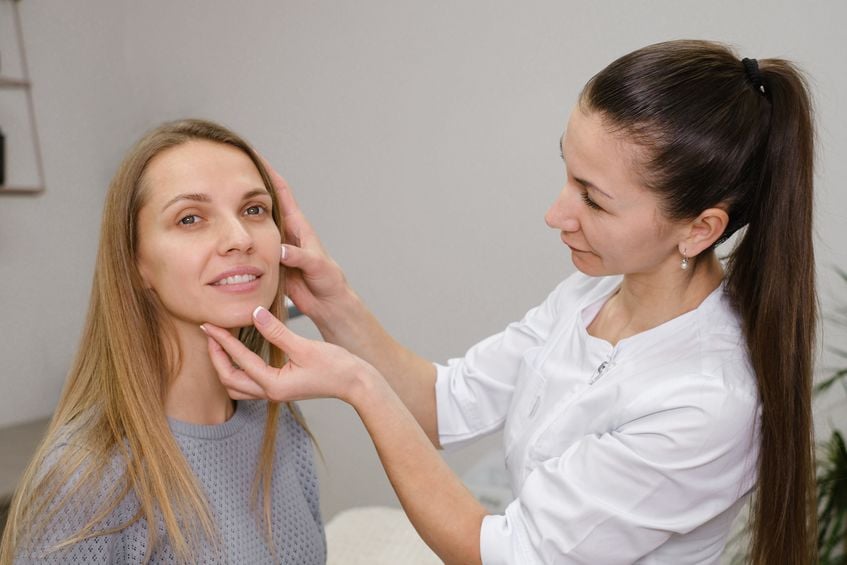
A New Trend In Facelifts?
Facelifts have been around for decades, primarily as the secret to defying the signs of aging for the rich and famous. Now, facelifts are popular, accessible, and have high success rates. Statistics show more than 200,000 facelifts are done yearly. The cosmetic surgery landscape is always evolving, and the deep plane facelift has become the buzzword in facial rejuvenation. The trendy procedure is being touted by many as appearing more natural and even superior to the traditional facelift. There are key features that separate the deep plane facelift from other cosmetic procedures. During initial consultations, surgeons encourage potential patients to learn about the basics of the deep plane facelift. These deep plane facelift facts help patients understand if the new trend is simply hype or the solution for a more youthful appearance.
Understanding deep plane facelifts
Deep plane facelift differs from traditional techniques in the anatomical layer where surgeons work. Traditional facelifts tighten the superficial musculoaponeurotic system (SMAS) layer by folding or plicating, then separately addressing skin. Deep plane facelifts, on the other hand, release and lift the SMAS layer along with the overlying skin as a single unit. The surgeon can then work beneath the SMAS on deeper planes. Surgeons can perform techniques like repositioning descended fat pads back to youthful positions and creating smoother contours. By lifting the SMAS-skin unit together, surgeons create more natural facial contours at a deeper level without pulling skin.
Why is it so popular?
Deep plane facelifts are more popular for creating natural-looking results. Traditional facelifts can produce a pulled or windswept look, which is unnatural and leads to lower satisfaction rates. The deep plane facelift targets deeper underlying fat pads rather than pulling layers to the skin, giving natural volume distribution. The technique also restores cheek fullness, softens nasolabial folds, and creates jawline definition without looking surgically altered. The skin may have less tension, lying smoothly in position with minimal scarring. Traditional facelift patients are often 60 years old and above. Deep plane facelifts are popular among younger patients, starting at age 40. These patients want to look refreshed without obvious surgical changes, which is what a deep plane facelift may provide.
Keep this in mind
The deep plane facelift’s popularity also stems from long-lasting results. The procedure addresses aging at structural levels, potentially creating longer-lasting improvements. When performed correctly and with consistent maintenance, deep plane facelifts last as long as traditional facelifts. Deep plane facelifts are advanced procedures that require highly skilled surgeons. The best surgeons understand facial anatomy and have multiple years of experience performing deep plane facelifts. The procedure involves separating facial muscles from the underlying bone and fat and adjusting ligaments connected to the descended tissue. This technical difficulty means choosing the right surgeon is a vital part of the deep plane facelift journey. Recovery time may be longer, and the risk of complications may be higher. Working with an experienced surgeon limits complications while ensuring patients achieve the desired results.
Is it right for you?
Deep plane facelifts are popular among young individuals based on recent trends, but the procedure may not be for everyone. The ideal candidate has moderate to significant midface sagging, visible nasolabial folds, and jowling with loss of jawline definition. Younger patients with excellent skin laxity but significant structural sagging may benefit most from deep plane facelifts. While popular and well-marketed, the procedure is not superior to traditional facelifts. An experienced surgeon can help patients with any facial rejuvenation goals, up to and including deep plane facelifts.
Related Posts...
Modern lower blepharoplasty uses fat repositioning and preservation to smooth under-eye bags while maintaining natural volume and a refreshed appearance.
Aging around the eyes needs a specific procedure. Learn whether blepharoplasty or a brow lift is best.
Turn back the clock on tired eyes. See how combining upper and lower blepharoplasty restores both appearance and function.
A facelift can tighten loose skin, but surgery cannot undo years of sun damage or poor skin health. Learn why skin quality matters before surgery.