Share
Share
Ready For Breast Implants?
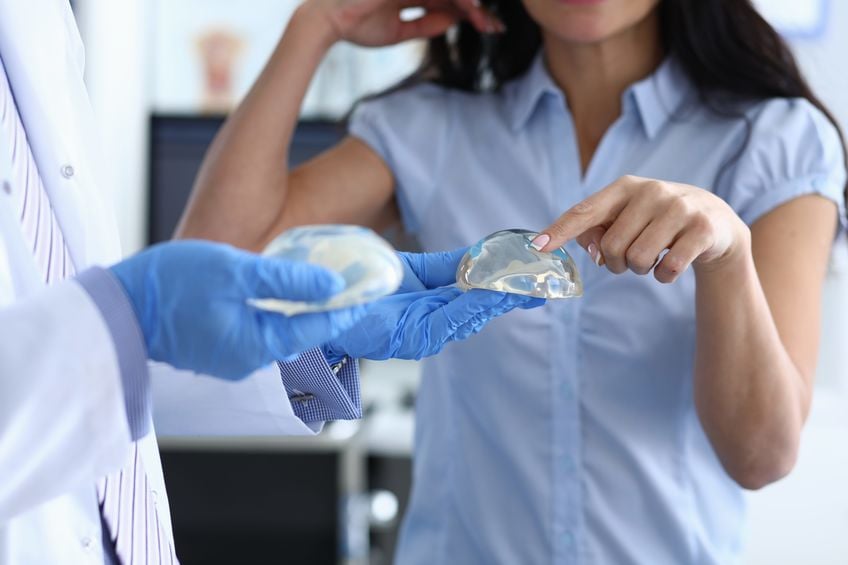
Getting breast implants can be an exciting goal and process. The cosmetic procedure is among the most popular today, giving women increased breast size, improved shape, and a flattering profile. Breast implants are known to boost confidence and even improve the quality of life. Women are also excited to invest in new clothes, create new social connections, and even increase professional opportunities. While there are many benefits, this is still a surgical procedure. Surgery, cosmetic or otherwise, brings a host of questions. Most of these are covered during the initial augmentation consultation, where women can ask as many questions as needed. Asking these 3 important questions ensures the best options while building confidence with safety and long-term outcomes.
1. What implant type, incision, and placement site is best?
Everything from the implant type, size, incision, and location is done with the patients in mind. For instance, the surgeon will choose silicone or saline implants. Silicone implants feel more natural, while saline implants are filled after installation and are customizable. The implants also determine the incision location, such as periareolar, transaxillary, or under the natural creases of the breasts. These locations influence factors such as scars, complexity, and healing. Implants are also placed in front of or behind the breast tissue. Subglandular implants are ideal for women with more breast tissue while promising faster recovery. Submuscular implants take longer to recover but provide a more natural look. Breast augmentation is customized for each patient, taking factors such as anatomy, desired look, and long-term goals into consideration.
2. How long is the recovery?
Recovery depends on several factors, including patient age, adherence to recovery instructions, and surgical techniques used. Statistics show that on average, women need 2 weeks of downtime for initial healing with 6 weeks to return to normal activities. An additional 3-6 months are recommended to see the final results. During this time, the implants will go through a settling phase of dropping and fluffing as swelling subsides and muscles begin to relax. Doctors recommend following all post-operative recovery instructions, including inflammation management, wearing supportive bras, and limiting activity until advised.
3. How do you deal with complications?
Breast augmentation has a high success and satisfaction rate, but there is a risk of complications. The surgeon will advise the patient of symptoms that may require immediate medical attention. Look for severe pain, bleeding, and infection. After initial healing, some possible complications include capsular contracture, implant rupture, and asymmetry. While rare, these complications can impact patient satisfaction. Most situations resolve naturally or with medical support. Should significant capsular contracture or ruptures occur, surgical correction or removal may be necessary. The surgeon will recommend recovery strategies to reduce the risk of complications.
Enjoy your implants
Breast augmentation can be a liberating experience that improves satisfaction and quality of life. The surgery, while effective, must be prepared for and taken seriously. Ask questions that ensure the best outcomes and safety. Use the feedback to prepare well before the procedure. Most of all, work with a trusted surgeon with years of experience performing augmentations. These experts are happy to share past results or recommend the best options for each patient. When done well, the result is a new size, shape, and boost of confidence that lasts for years.
Related Posts...
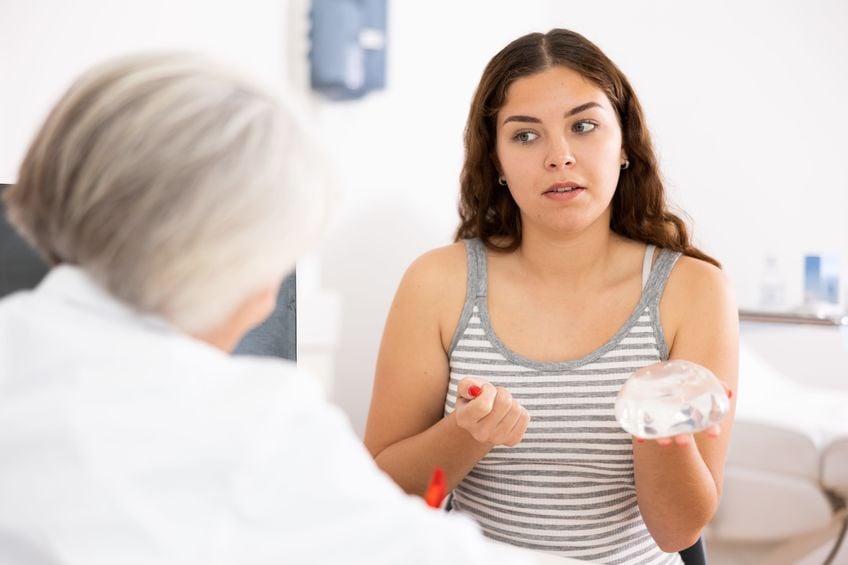
A pre-op breast augmentation checklist helps. Learn what to do leading up to surgery for optimal results.
Ready for a balanced, natural-looking breast enhancement? Combine augmentation with fat transfer.
Going bigger the second time involves more than choosing a larger implant. Learn what surgeons consider during breast revision surgery.
Wondering why breast augmentation alone may not be enough? Learn when sagging, stretched skin, and volume loss may require a lift as well.