
Share
Share

Managing Pain Post-Operation
The popularity of cosmetic surgery continues to rise. With millions of procedures that cover many aesthetic needs, women and men alike choose these procedures for life-changing results. From facelifts to breast augmentations, these procedures are building self-confidence. Doctors will attest that recovery is just as important as the procedure. The post-surgery journey requires patience, self-care, and following medical advice to ensure the best outcome. While some discomfort is expected, patients hope to make recovery smoother and less painful. With the right approach, healing can be faster, more comfortable, and more effective. Not only can patients enjoy the results with confidence, but many have limited pain.
Follow post-operative instructions
Every surgeon provides detailed aftercare instructions tailored to the procedure. These directions often include wound care, prescribed medications, activity restrictions, and follow-up visits. The first 2 weeks will present the most pain and discomfort. Adhering closely to these guidelines reduces complications and supports faster healing. Use pain medication and manage wounds effectively. Report any pain issues to the surgeon immediately. Patients who follow medical instructions consistently experience smoother recoveries and better long-term results.
Prioritize rest and gentle movement
Rest is arguably the most important part of healing after cosmetic surgery. The body needs time to repair tissues and reduce inflammation. At the same time, light activity such as short walks helps improve blood flow and lowers the risk of blood clots. Balancing rest with gentle movement prevents stiffness while encouraging the healing process.
Manage pain effectively
Discomfort after surgery is normal, but proper pain management keeps recovery on track. Surgeons may prescribe medications or recommend over-the-counter options to ease soreness. Cold compresses, elevation, and supportive garments can also help reduce swelling and discomfort. Managing pain effectively allows patients to move, rest, and heal more comfortably.
Support with nutrition and hydration
A balanced diet rich in protein, vitamins, and minerals provides the body with essential tools for recovery. Foods high in antioxidants and healthy fats promote tissue repair and reduce inflammation. Staying well-hydrated keeps energy levels stable and supports circulation, both of which are vital during healing. Avoiding alcohol and smoking is also critical, as these can delay recovery.
Plan for emotional well-being
The recovery journey is not only physical but also emotional. Swelling, bruising, and waiting for final results can feel discouraging. Stress can increase inflammation, which may indirectly increase pain. Relaxation techniques, mindfulness, or light activities such as reading and journaling can improve emotional health during recovery. Consider supplements that reduce stress and encourage relaxation with the advice of a pharmacist. Patients often find reassurance in setting realistic expectations and understanding that healing takes time.
Enjoying a smoother journey
Pain after cosmetic surgery is expected and may be a deterrent. There are ways to optimize recovery and minimize pain. Recovery requires patience, discipline, and care. Start by following post-operative instructions. Manage pain with medication and wound care while supporting the body with rest, movement, and nutrition. Done consistently, healing can be more comfortable and effective. Focusing on both physical and emotional well-being ensures a smoother journey. In time, patients will enjoy the full benefits of the cosmetic transformation.
Related Posts...

A pre-op breast augmentation checklist helps. Learn what to do leading up to surgery for optimal results.

Ready for a balanced, natural-looking breast enhancement? Combine augmentation with fat transfer.
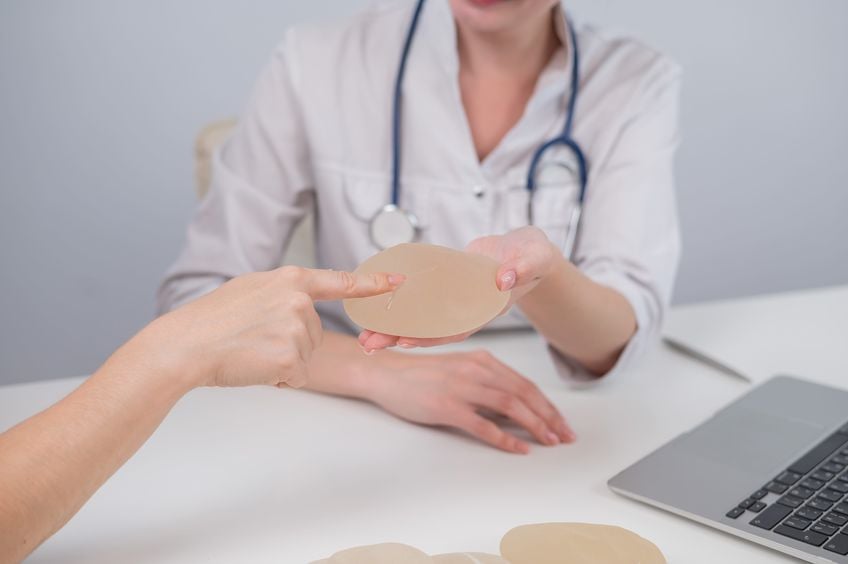
Going bigger the second time involves more than choosing a larger implant. Learn what surgeons consider during breast revision surgery.
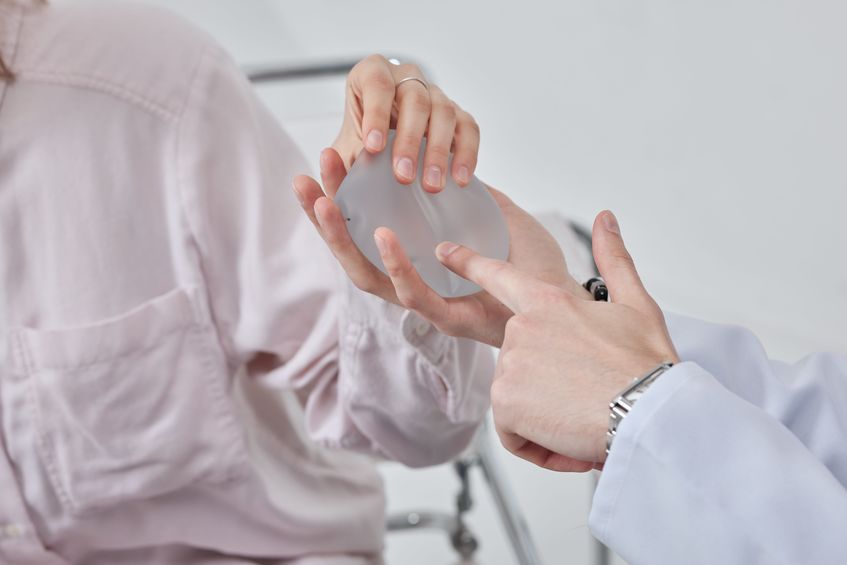
Wondering why breast augmentation alone may not be enough? Learn when sagging, stretched skin, and volume loss may require a lift as well.