
Share
Share
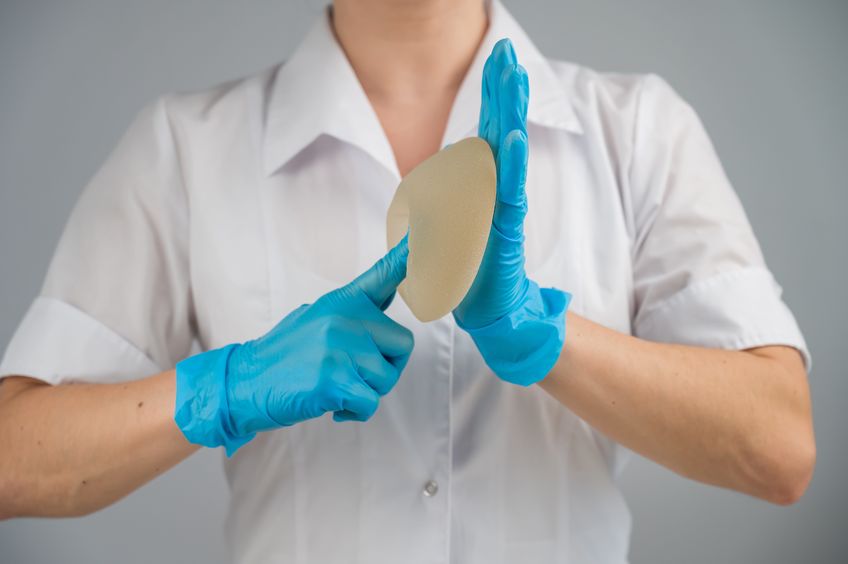
Can Implants Affect Your Mammogram?
Having breast implants is more common than ever, with millions of women choosing augmentation each year. Regular mammograms remain an essential screening tool for breast cancer detection, but the presence of implants changes how the imaging process works. Many women are unsure whether augmentation affects mammogram results. Getting the most accurate screening possible starts with letting the radiologist know about any implants before the exam begins. Open communication with the imaging team helps ensure the safest, most thorough screening experience.
Mammogram basics
Screening mammography is typically performed every 2 years for women who are over the age of 40 and at average risk of breast cancer. Women with a family history of breast cancer, certain genetic mutations, or dense breast tissue may require earlier or more frequent screenings. Mammograms use very low doses of radiation to capture detailed images of the breast. These images are reviewed by a radiologist to identify any early signs of breast cancer, such as small masses or calcifications that usually cannot be felt with a self-exam. Some minor discomfort may occur as the image of the breast is taken, but most women tolerate the procedure well.
How implants change the picture
Standard mammography uses x-rays to capture images of breast tissue. Implants can block portions of that tissue from view. Silicone and saline implants both appear opaque on a mammogram, making the tissue behind the implant harder to evaluate. When a radiologist is aware of implants beforehand, additional specialized views, called implant displacement (ID) views, can be obtained. During ID views, the implant is gently pushed back while the surrounding breast tissue is pulled forward, allowing for a more complete picture.
Informing the radiology team
Sharing specific details about augmentation in advance gives the imaging team the most useful information possible. Before the mammogram is performed, let the healthcare team know whether saline or silicone implants are in use, the implant location, and when the procedure was performed. Any previous implant-related complications, such as rupture or replacement, should also be mentioned upfront. A complete picture of breast augmentation history allows the radiologist to tailor the approach and flag anything that may warrant a closer look.
Beyond the mammogram
For women with silicone implants, guidelines recommend periodic magnetic resonance imaging (MRI) screening to check for silent rupture, an implant complication with no obvious symptoms. Mammograms alone cannot reliably detect a silent silicone rupture, which is why MRI serves as a valuable complementary tool. Some healthcare providers may also recommend 3D mammography, also known as tomosynthesis, for women with implants, as the layered imaging can improve tissue visibility. A conversation with a healthcare provider about which combination of screening tools is most appropriate is always a good idea.
Don’t let implants deter screening
Skipping or delaying recommended mammograms because implants are present is a risk not worth taking. Breast cancer screening remains a powerful tool for early detection, regardless of augmentation status. Before the appointment, call ahead to confirm the team’s familiarity with implant imaging. Arriving prepared guarantees the most effective breast imaging possible.
Related Posts...

A pre-op breast augmentation checklist helps. Learn what to do leading up to surgery for optimal results.
Ready for a balanced, natural-looking breast enhancement? Combine augmentation with fat transfer.
Going bigger the second time involves more than choosing a larger implant. Learn what surgeons consider during breast revision surgery.

Wondering why breast augmentation alone may not be enough? Learn when sagging, stretched skin, and volume loss may require a lift as well.