
Share
Share

Does Breast Augmentation Recovery Matter?
Breast augmentation is one of the most commonly performed cosmetic procedures. The procedure offers patients the opportunity to enhance breast size, shape, and overall body proportions. While the procedure is highly refined, recovery is an important part of achieving amazing outcomes. Without optimal recovery, the risk of complications increases, while success rates may be impacted. Knowing what to expect during the first 2 weeks can help reduce anxiety, encourage proper healing, and prepare patients for each stage of recovery. Every patient heals at a different pace. Learning how to navigate the first 2 weeks allows patients to approach recovery with realistic expectations and confidence.
The first 24 hours
Immediately following breast augmentation, patients can expect soreness, swelling, tightness, and fatigue. These symptoms are the normal inflammatory response to surgery. Patients will use prescribed pain medications or other medications recommended by the surgeon. Many patients describe the sensation as muscle soreness or pressure across the chest. Rest is the priority during the first day, but short walks around the home are encouraged. Movement promotes healthy circulation and reduces the risk of blood clots. Patients should avoid lifting, reaching overhead, or performing strenuous activities. Wearing the recommended surgical bra or compression garment also helps support the breasts while minimizing swelling during the early stages of healing.
Navigating days 2-4
Swelling and bruising often become more noticeable over the next several days before gradually beginning to improve. The breasts may feel firm, sit higher on the chest than expected, or appear uneven as the tissues adjust. These temporary changes are common and generally become less pronounced as healing progresses. Most patients can perform light daily activities during this period, but should continue avoiding heavy lifting, vigorous exercise, and repetitive arm movements. Sleeping on the back with the upper body slightly elevated is often recommended to reduce swelling and protect the surgical area. Patients should continue following all postoperative instructions, including caring for incision sites and taking medications as directed.
Days five through seven
By the end of the first week, many patients notice a gradual improvement in comfort and mobility. Swelling begins to decrease, and simple activities become easier to perform. Some individuals may feel ready to return to desk work or other non-physical occupations. The surgeon must give clearance to return to any work, which usually happens in the first follow-up appointment. The healing process and incisions are evaluated, and the surgeon answers any recovery questions. While patients may feel significantly better, the breasts are still healing internally. Patients must continue to avoid strenuous exercise or lifting heavy objects that could place unnecessary strain on incisions.
Your second week
During the second week, patients experience continued improvements in swelling, discomfort, and overall energy levels. The breasts may begin to soften slightly as tissues relax. Some patients notice that the breasts remain higher than the intended final position. Sensation around the breasts or nipples also changes temporarily as nerves recover from surgery. By the end of the second week, patients can resume many normal daily activities. Avoiding high-impact exercise, lifting, and movements that excessively engage the chest muscles is strongly encouraged. Walking remains an excellent form of activity during this stage, helping maintain circulation while supporting healing. At the end of week 2, bruising has often faded significantly, swelling continues to improve, and routine activities become more comfortable. The breasts slowly begin to settle, and patients begin to see the desired contours.
Beyond 2 weeks
Despite these improvements, complete healing is not finished. Internal tissues continue to recover for several weeks. The implants gradually “drop and fluff” as the surrounding muscles and soft tissues relax. Patients should continue wearing recommended support garments, attend scheduled follow-up appointments, and wait for the surgeon’s approval before returning to vigorous exercise. The breast implants continue to settle over the following months. Swelling resolves gradually, scars mature, and the breasts assume a softer, more natural appearance as healing progresses.
Healing with confidence
Recovering from breast augmentation is a gradual process that unfolds over several weeks. The first 2 weeks lay the foundation for long-term results. Understanding what to expect during each stage can help patients feel more prepared while reducing the risk of complications. Every recovery timeline is unique. Factors such as implant placement, implant size, surgical technique, and individual healing abilities all influence the rate of improvement. Maintaining open communication with the surgical team and following postoperative instructions remain essential throughout the recovery journey. When recovery goes well, patients will enjoy breast augmentation for years to come.
Related Posts...
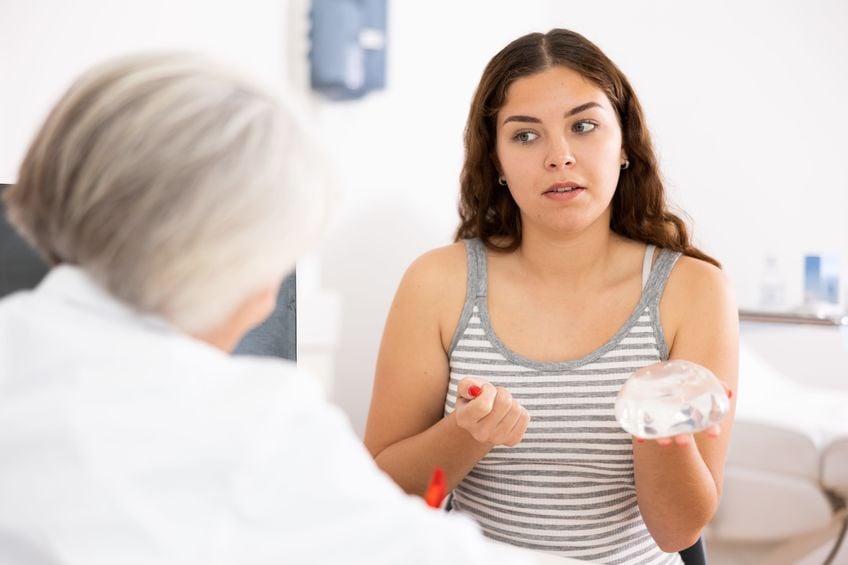
A pre-op breast augmentation checklist helps. Learn what to do leading up to surgery for optimal results.
Ready for a balanced, natural-looking breast enhancement? Combine augmentation with fat transfer.
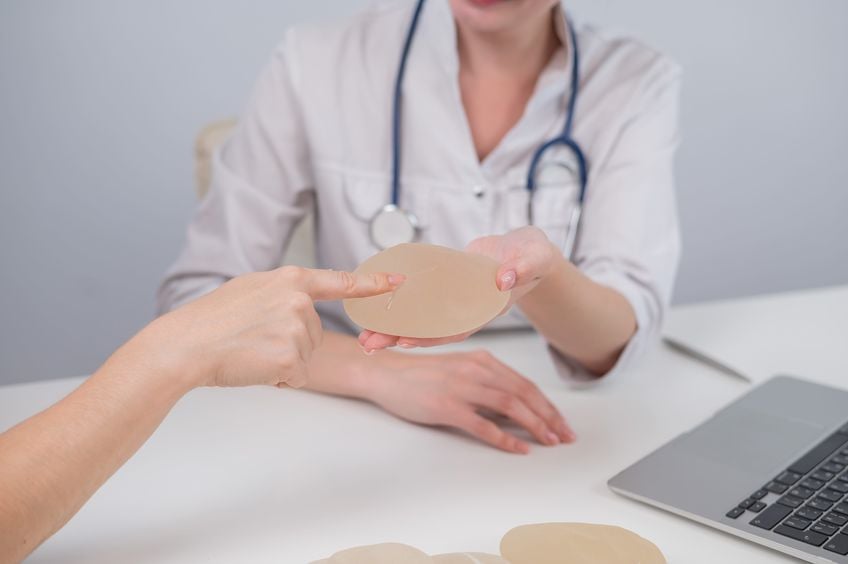
Going bigger the second time involves more than choosing a larger implant. Learn what surgeons consider during breast revision surgery.
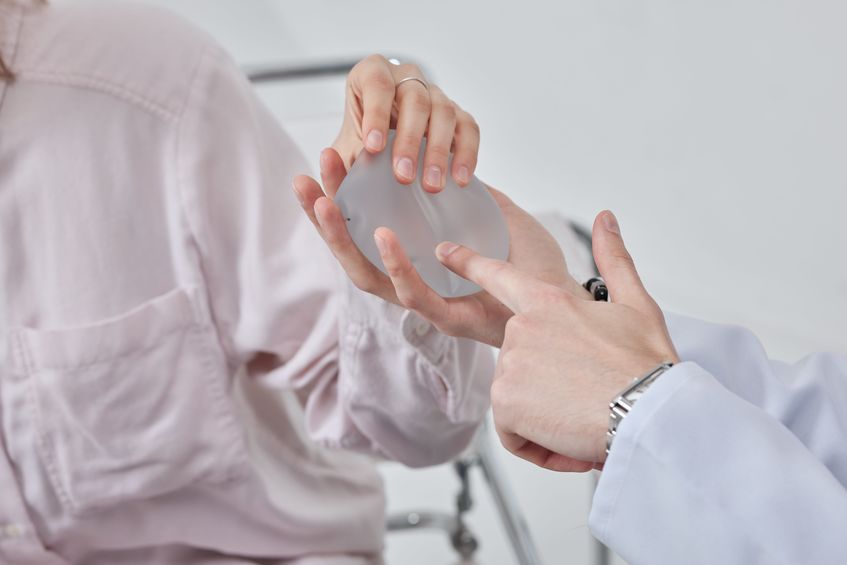
Wondering why breast augmentation alone may not be enough? Learn when sagging, stretched skin, and volume loss may require a lift as well.