
Share
Share

Could Implants Be The Cause?
Breast implant illness (BII) often enters the conversation after months or even years of unexplained symptoms. A woman who once felt healthy may begin experiencing fatigue, brain fog, joint pain, hair loss, or other changes without a clear explanation. The experience can be frustrating, particularly when symptoms begin interfering with work, family life, exercise, or daily routines. For some women, breast implants eventually become one of the possible explanations being explored.
What are the symptoms?
BII can be difficult to recognize because symptoms vary widely from person to person. Fatigue, difficulty concentrating, memory problems, joint pain, muscle aches, anxiety, skin changes, headaches, and hair loss are among the most commonly reported concerns. Some women describe feeling generally unwell without being able to identify a single symptom as the primary problem. Symptoms may also develop gradually, making changes easier to overlook at first.
Why is diagnosis so difficult?
Many women are surprised to learn that there is no specific test for BII. Bloodwork, imaging, and other evaluations may be used to look for alternative explanations, but no single test can confirm BII. Conditions such as thyroid disorders, autoimmune diseases, hormonal changes, nutritional deficiencies, and chronic stress can produce similar symptoms. The process often involves ruling out other possible causes before determining whether breast implants could be contributing to the problem.
Will your concerns be heard?
Women researching BII sometimes worry that symptoms will be dismissed because there is no definitive test for the condition. In reality, concerns about BII have become a common topic during breast implant consultations. Although questions remain about the cause of the symptoms, many plastic surgeons encourage a thorough evaluation rather than assuming breast implants are, or are not, responsible.
Considering implant removal
For women struggling with persistent symptoms, implant removal may be the best option. In many cases, the decision is not based on a single symptom but on the cumulative impact symptoms have on quality of life. Concerns about appearance, recovery, and uncertainty about symptom improvement can make the decision difficult. The choice is often highly personal and depends on individual circumstances.
Recovering from explant surgery
For many women, the biggest question is whether implant removal will finally bring some relief. Some women report feeling better after explant surgery, while others notice smaller changes. Improvements do not always happen right away and may develop gradually over time. Unfortunately, there is no reliable way to predict exactly what the experience will look like for any individual patient.
Taking the next step
BII can leave women with more questions than answers. Symptoms may be affecting daily life, yet a clear explanation is not always easy to find. For some women, implant removal feels like the right next step. Others decide to continue exploring possible causes before making a surgical decision. Regardless of the path chosen, taking concerns seriously and seeking appropriate medical guidance can help bring greater clarity to a challenging situation.
Related Posts...

A pre-op breast augmentation checklist helps. Learn what to do leading up to surgery for optimal results.

Ready for a balanced, natural-looking breast enhancement? Combine augmentation with fat transfer.
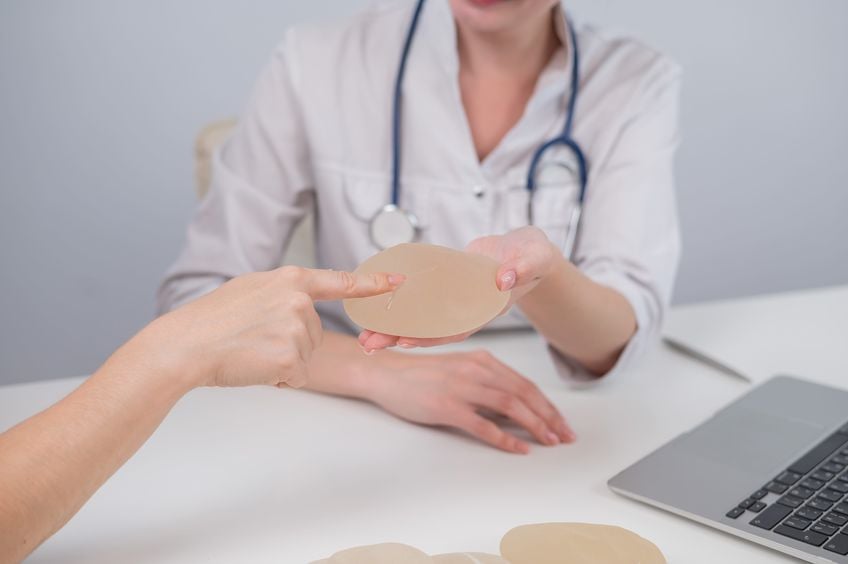
Going bigger the second time involves more than choosing a larger implant. Learn what surgeons consider during breast revision surgery.
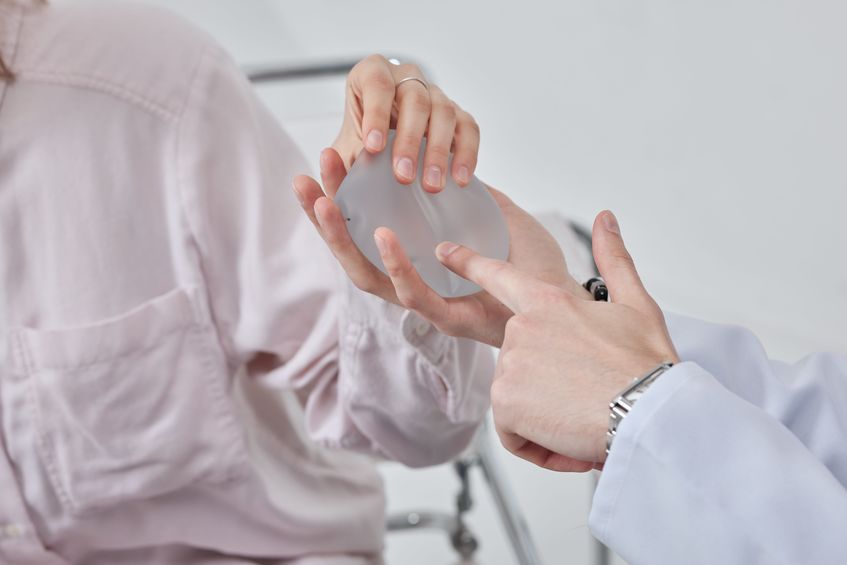
Wondering why breast augmentation alone may not be enough? Learn when sagging, stretched skin, and volume loss may require a lift as well.