
Share
Share

What Are The Main Differences?
Choosing implants for breast augmentation involves comparing saline and silicone options. Both types have an outer shell made of silicone, but the filling is the differentiating factor. Saline implants contain sterile salt water, while silicone implants have a cohesive gel. These materials will influence how implants feel, if rippling is noticeable, and what happens if a rupture occurs. Neither option is automatically right for every person. Factors like chest width, existing breast tissue, desired fullness, and comfort with future monitoring all influence the decision.
How implants look and feel
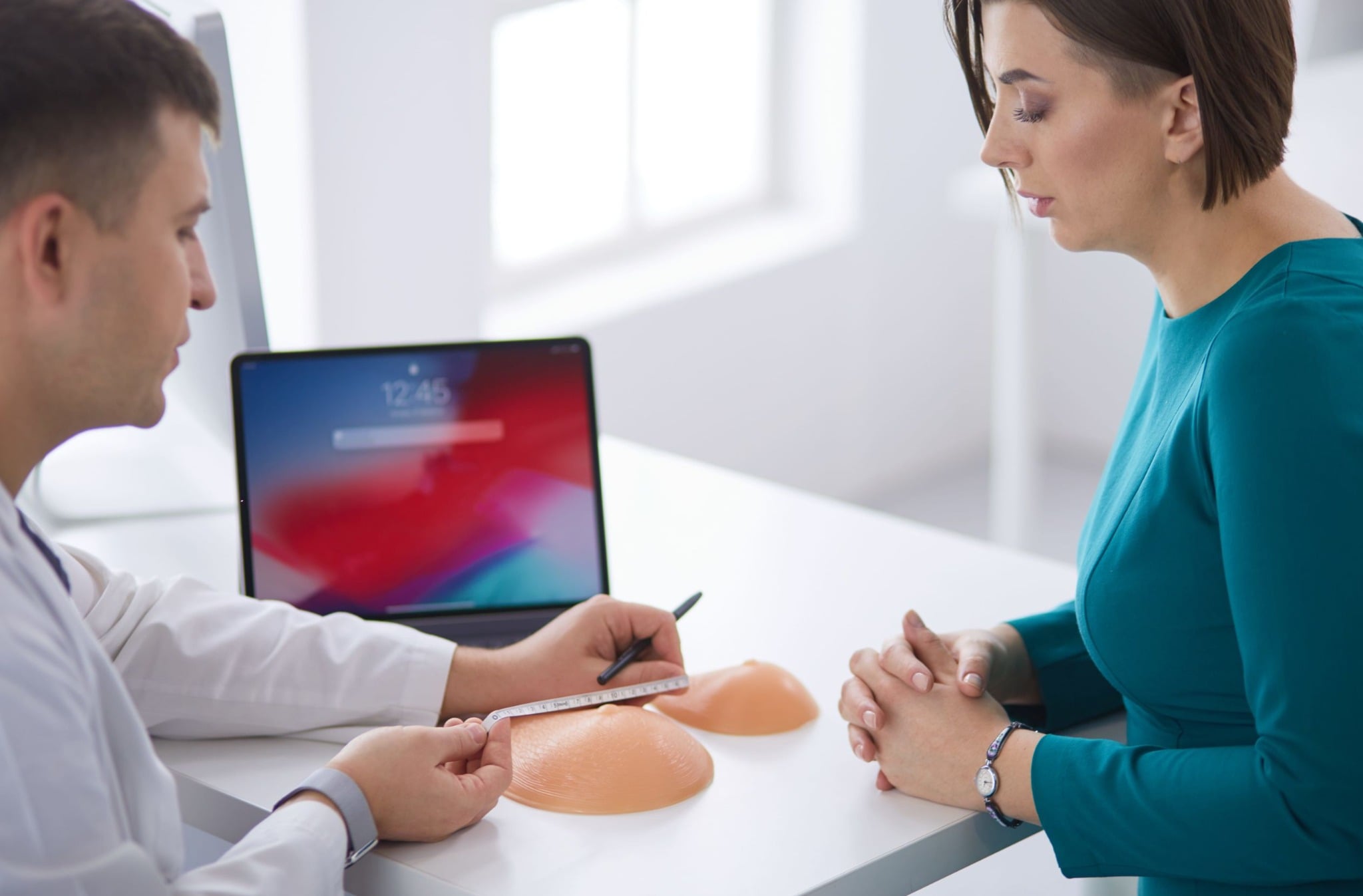
People often describe silicone implants as feeling softer and closer to natural breast tissue. Saline implants sometimes feel firmer, and visible rippling is possible, especially when natural breast tissue is thin. Appearance relies on more factors than filling material, though. Implant size, shape, placement, skin elasticity, and existing tissue all influence the final result. Individuals seeking subtle fullness may have different priorities from someone seeking a more pronounced change. Reviewing implant examples with a surgeon can help guide recommendations that also consider size and shape.
If an implant ruptures
A rupture means the implant shell has either developed a tear or opening. If a saline implant ruptures, the salt water leaks out and the breast usually loses volume noticeably. The body absorbs the saline, and in most cases the situation is not dangerous to the individual. Still, surgery may be necessary to remove or replace an implant. A silicone implant can rupture without an obvious change in breast shape. When that scenario occurs, the event is sometimes referred to as a silent rupture. Surgeons might recommend imaging to check silicone implants for rupture, even when symptoms are absent. New pain, swelling, changes in shape, or other concerns warrant medical evaluation.
Other risks to consider
Both implant types carry risks, including infection, pain, scar tissue that tightens around the implant, and changes in nipple or breast sensation. Implants are not historically meant to be kept indefinitely. Often, additional surgery may be necessary, especially if complications arise. Adverse reactions can affect appearance, cause discomfort, or require prompt medical attention. Breast implants can also affect future breast imaging, so the imaging team should know about the implants before screening. Reviewing the patient information provided for a specific implant helps clarify known risks, warnings, and recommended follow-up.
Picking the right option
Choosing between saline and silicone implants will depend on personal priorities, medical history, and the plastic surgeon’s assessment. Saline implants are often ideal for patients who prefer a rupture that is easier to notice. Silicone implants may be better for people who prioritize a softer feel, although monitoring remains important. Factors like cost, incision options, implant size, and plans for future pregnancy or breastfeeding may also influence final decisions. Booking a consultation with a board-certified plastic surgeon can help with understanding the trade-offs and making a decision based on individual needs.
Related Posts...
Saline and silicone implants are still the primary options. Learn how breast augmentation has changed over time.

Revision breast augmentation is not always caused by a complication. Learn why women pursue revision surgery and what changes may lead to a second procedure.

Internal bra surgery is an innovative technique. Learn how this procedure supports breast augmentation results.

A pre-op breast augmentation checklist helps. Learn what to do leading up to surgery for optimal results.