
Share
Share
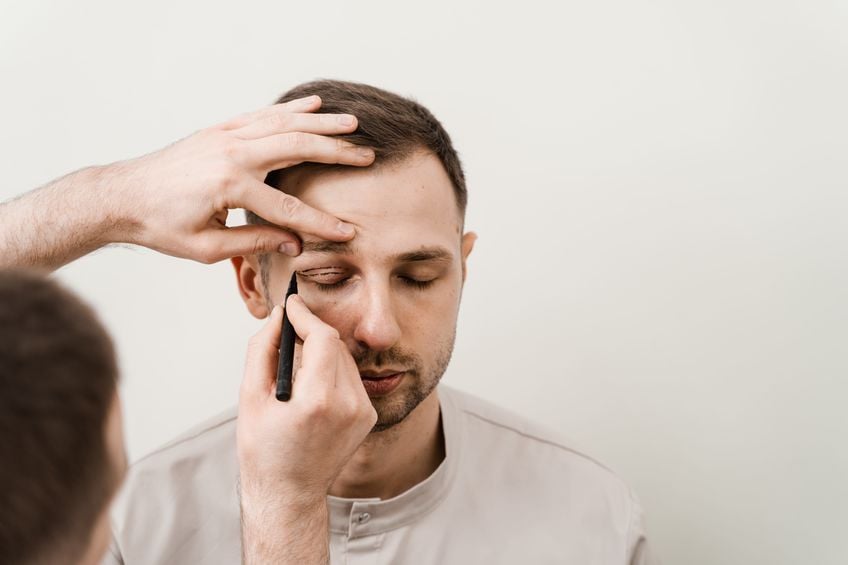
Are Your Eyelids Making It Hard To See?
Drooping eyelids can change more than appearance. Excess skin along the upper lid can hang low enough to interfere with vision, especially in the upper or outer field of view. Reading, driving, or even simple daily tasks may start to feel more difficult. In some cases, the change happens gradually, making early signs easy to overlook. Blepharoplasty, a procedure that removes excess eyelid skin, can help restore a clearer line of sight.
How the eyelid affects sight
Vision changes usually depend on how much of the eye is covered by the eyelid. Loose skin can rest on the lashes or hang over the lashes, blocking part of the view. A lower eyelid position caused by weakened muscle support can also limit vision. Raising the brows or tilting the head back often becomes a habit to compensate.
Clearing the line of sight
Blepharoplasty removes or repositions excess skin and tissue that sit in the line of sight. With less obstruction, more of the visual field becomes visible. Many people notice a clearer line of sight, especially in the upper and outer areas. Improvement may feel subtle at first, but becomes easier to notice during everyday activities.
Changes you may notice
Improved vision often becomes noticeable during everyday activities. Side vision may feel more open, which can make driving or moving through crowded spaces easier. Eye strain can decrease, especially for people who have been lifting the brows to see more clearly. Less tension in the forehead can also lead to fewer headaches over time.
A different cause of drooping
Not all drooping comes from excess skin. In some cases, the eyelid muscle weakens, causing the lid to sit lower than normal. A lower lid position can block vision in a way that skin removal alone will not fix. A proper exam can help determine whether muscle repair is needed instead of, or along with, a standard procedure.
More than a cosmetic change
Eyelid surgery is often associated with appearance, but vision improvement can be a crucial reason for treatment. When eyelids begin to block sight, the procedure may be considered functional. In some cases, testing may be used to measure how much of the visual field is affected before moving forward.
What happens right after surgery
The first few days after surgery can involve swelling, mild discomfort, and temporary blurriness. Ointments and irritation can affect vision early on, which is expected. As swelling starts to go down, vision often begins to feel clearer within the first couple of weeks. Most people notice steady improvement as healing continues.
How long improvements last
Results can last for many years, especially when excess skin was the main cause of obstruction. A clearer line of sight and reduced strain often remain noticeable long after healing is complete. Many people maintain improvement for 5-10 years before gradual changes return. Aging continues, so some skin laxity may come back over time, but not at the same starting point. Skin quality, overall health, and sun exposure can all affect how long results hold.
Seeing clearly again
Drooping eyelids can affect daily life in ways that are easy to overlook at first. Vision may feel more limited, and extra effort from the forehead and eyes can become part of a daily routine. Blepharoplasty can remove that obstruction and restore a clearer line of sight. Addressing the underlying issue can improve both vision and overall comfort, making everyday tasks feel easier and less strained.
Related Posts...
Sometimes concealer alone cannot mask severe under-eye bags. When dark circles remain, discover the benefits of eyelid surgery.
Blepharoplasty is a common plastic surgery procedure, so understanding recovery timelines helps manage expectations.
Eyelid surgery scars are usually well-hidden and fade over time. Learn where incisions are placed, how healing works, and what to expect.

The eyes can communicate tiredness and aging. Use blepharoplasty, a surgical procedure, to boost confidence and energy.