
Share
Share
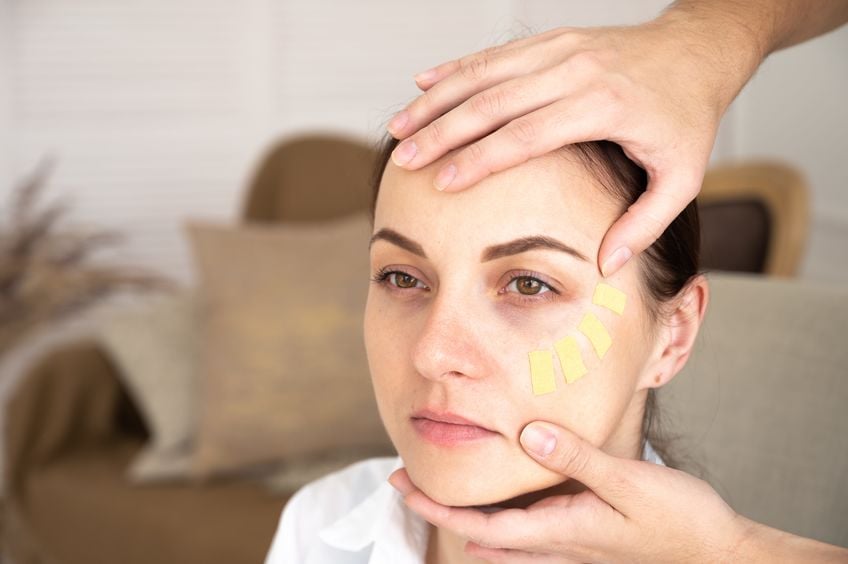
What Happens After Surgery?
Plastic surgery can be performed on a variety of locations across the body. While typically associated with non-essential or cosmetic goals to improve overall aesthetics or profile, some people will combine these operations with medically necessary treatments. Most commonly, breast augmentation can be paired with mastectomies, helping women to preserve the bust profile. One surgery that is usually elective is a blepharoplasty, or eyelid surgery. The procedure can be performed on either the upper or lower lids and is often recommended to fix the look of drooping or excessive bagginess around the eyes. As with any medical operation, knowing what to expect during recovery can help manage patient expectations and improve healing.
Reasons for blepharoplasties
Although most blepharoplasties are cosmetic, meaning that the procedures are elective, in some cases a patient may be required to undergo the corrective operation. For cosmetic goals, most individuals cite desiring a more youthful appearance, wanting to lift drooping or sagging skin, or simply wanting to create a smoother eye contour. However, when the procedure is considered functional, the main reason for having a blepharoplasty is to lift eyelid skin that was obstructing vision. The treatment can also be paired with other solutions such as face or brow lifts.
An outpatient solution
For most people who undergo eyelid surgeries, the procedure is treated as an outpatient operation. The entire surgery tends to take between 1-3 hours to complete, including pre-op preparation and recovery depending on whether the upper, lower, or both lids are being operated on. Once completed, most patients return home the same day.
Initial recovery guidelines
For most individuals, 10-14 days of full recovery are required for most of the bruising or swelling to heal. During the first week, most people will be cautioned against work. Days 1-3 is when the most pain is present, with common complaints of tightness, swelling, and discomfort. During this time, recovering individuals are urged to keep the head elevated, rest frequently, and use cold compresses to help control symptoms. Days 4-7 is usually when stitches are removed and most patients start to feel well enough to return to remote or desk work.
Returning to normal life
Typically, around week 2 most people are ready to begin resuming social activities. Around this time, most patients are approved to return to wearing contact lenses or makeup as well as getting back to light exercise. Full healing can be expected within 2-6 months after the surgery is completed. By this time, most scarring is gone, and the new profile is fully visible. Most people don’t experience complications from a blepharoplasty and the recovery process is a fairly smooth transition. However, following the surgeon’s post-recovery guidelines and avoiding risky activities that could disturb stitches and delay healing are key factors that influence recovery.
Related Posts...
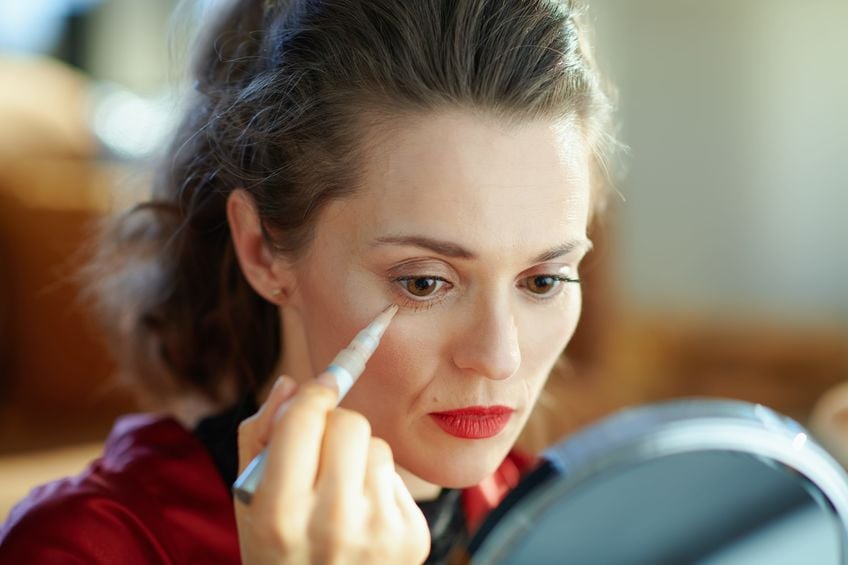
Sometimes concealer alone cannot mask severe under-eye bags. When dark circles remain, discover the benefits of eyelid surgery.
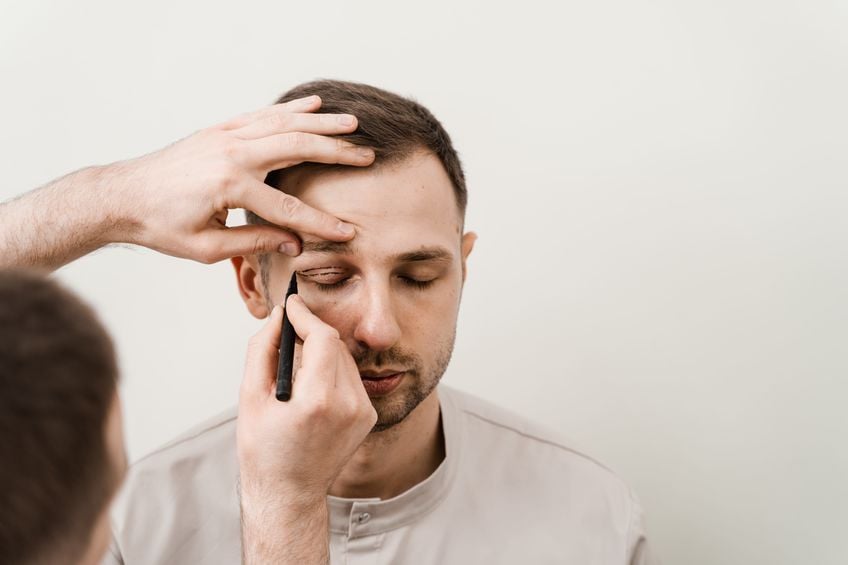
Blepharoplasty can help restore vision affected by drooping eyelids. Explore how the procedure works and what changes to expect over time.
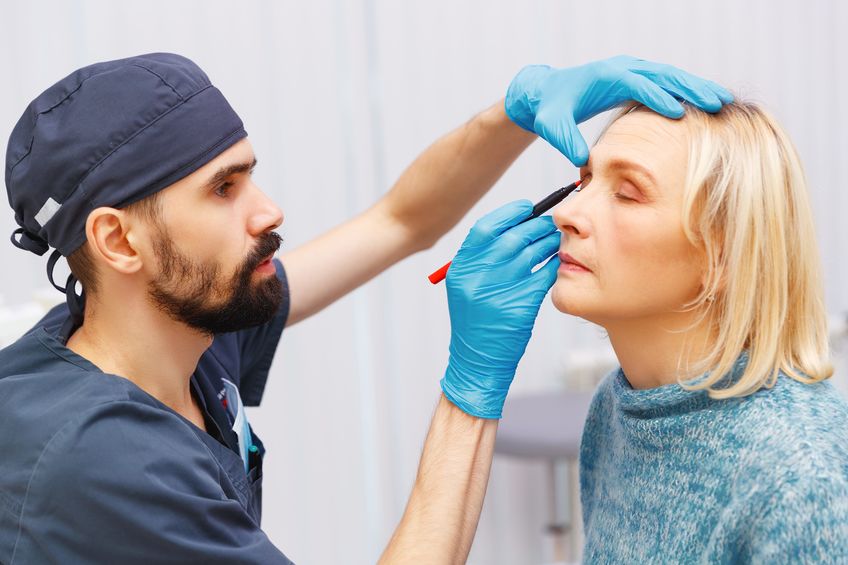
Eyelid surgery scars are usually well-hidden and fade over time. Learn where incisions are placed, how healing works, and what to expect.

The eyes can communicate tiredness and aging. Use blepharoplasty, a surgical procedure, to boost confidence and energy.