Share
Share
Make Recovery A Breeze After Breast Implants
Breast augmentation is probably the most well-known plastic surgery. Annually, almost 300,000 procedures are completed. In the US, breast implants are the second most-requested plastic surgery option. Like any surgery, what a patient does during the recovery period influences the healing process. Here are 3 key tips to make the recovery experience easier.
What is breast augmentation?
A breast augmentation refers to either inserting breast implants or fat transfer from other parts of the body to increase the volume in a woman’s breasts, resulting in a changed breast profile. Augmentation alone doesn’t refer to lifting (mastopexy) or reduction which raise breast profiles or reduce size. A key improvement people report is better self-esteem because of body image. A variety of implant factors can influence the final results such as the material, volume used, placement, and even the implant shape.
Planning for recovery
Potential breast augmentation patients need to understand that Individual recovery speed will vary between people and also is directly dependent on how the procedure is performed, if complications occur, and how accurately patients follow the surgeon’s instructions. Being realistic about recovery expectations and not rushing the process are critical for proper healing. Typically if no complications are present, most patients can get back to normal life within 6-8 weeks. Consider the below tips to ensure proper healing.
1. Ask for help
Incisions for breast augmentation are strategically placed and are usually in places where stitches might get pulled if a person is too active too soon. Most surgeons will remind patients to avoid lifting heavy items especially in the first few days and weeks post operation. As a result, even simple tasks can be hard to complete. Healthcare professionals will recommend that people getting breast implants designate a specific person to not only give rides from the hospital or facility after the procedure, but to also help with simple tasks around the house. Having a friend or loved one who can get meals, take care of errands and even support basic needs like getting into and out of bed or grabbing items on high shelves can help reduce the risk of irritating the incisions.
2. Be aware of sleep positions
Getting breast implants also impacts sleep positions. Individuals used to sleeping on the side or stomach will need to find new temporary solutions. Physicians want patients to avoid positions that can increase the risk of swelling or pain. The recommended optimal position is to sleep on the back, and ideally at a slightly elevated position. If necessary, consider incorporating pillows to aid in reducing pressure on the implants.
3. Skip the tight clothes
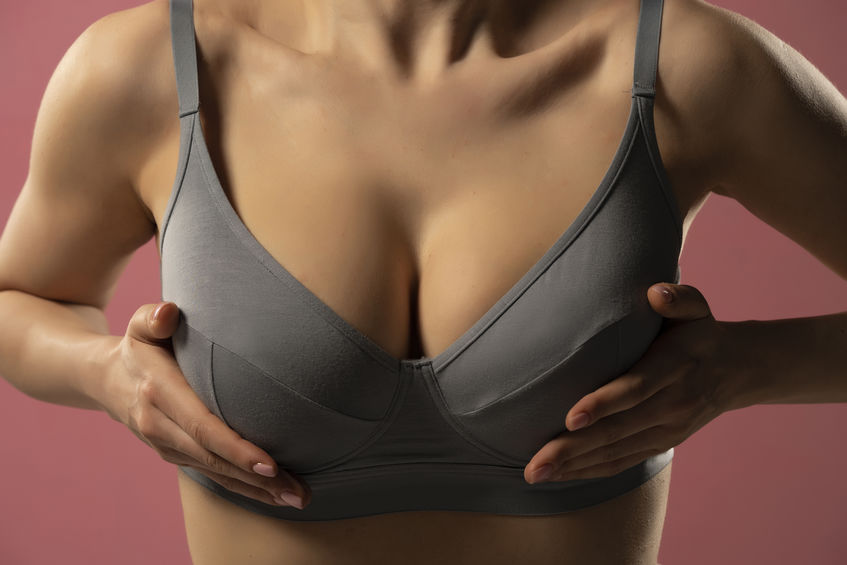
Skin tight garments aren’t on the agenda for the first few weeks after breast augmentation. Focus on comfort and breathability to help minimize discomfort and encourage healing at the incision sites. In other words, opt for loose-fitting clothing. Tight clothes restrict movement, cause irritation, and can even encourage sweat to get trapped near the operated area. Loose clothing facilitates air flow, doesn’t impact range of motion, and also makes the essential process of changing wound dressings much easier. A surgeon may also encourage breast augmentation recovery patients to wear surgical bras to further protect the incision site.
Looking towards full recovery
One of the biggest questions around breast augmentation surgery is when a patient can begin buying new clothes or bras. For most people, the answer is much later in the recovery process. However, following the tips above as well as any other directives from the surgeon will ensure proper healing after breast augmentation.
Related Posts...
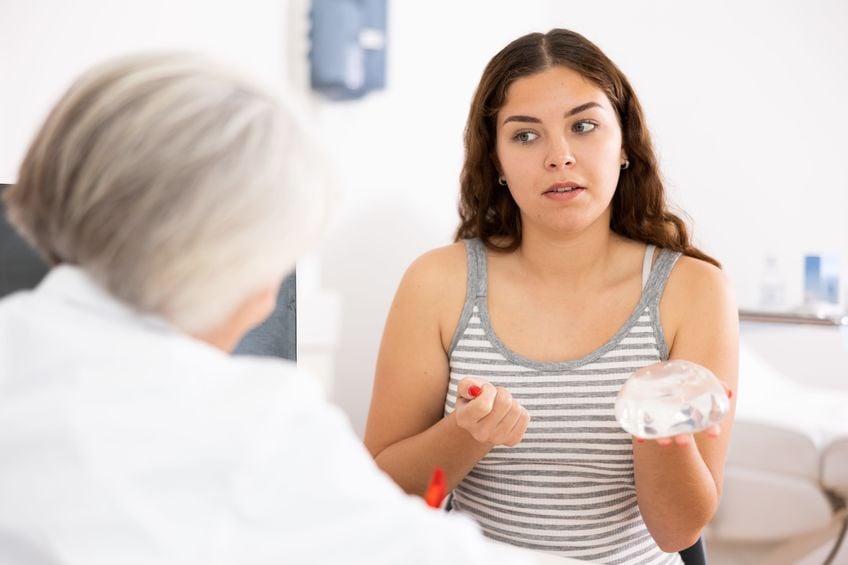
A pre-op breast augmentation checklist helps. Learn what to do leading up to surgery for optimal results.
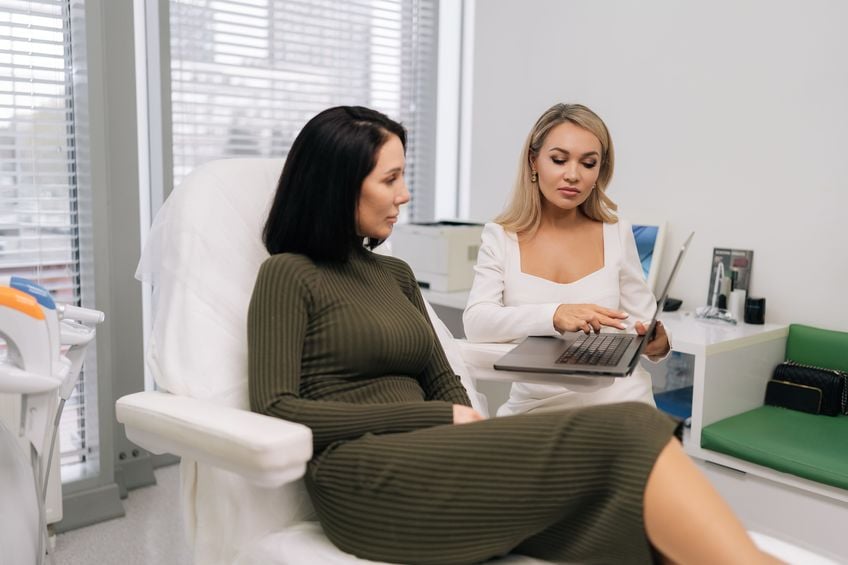
Ready for a balanced, natural-looking breast enhancement? Combine augmentation with fat transfer.
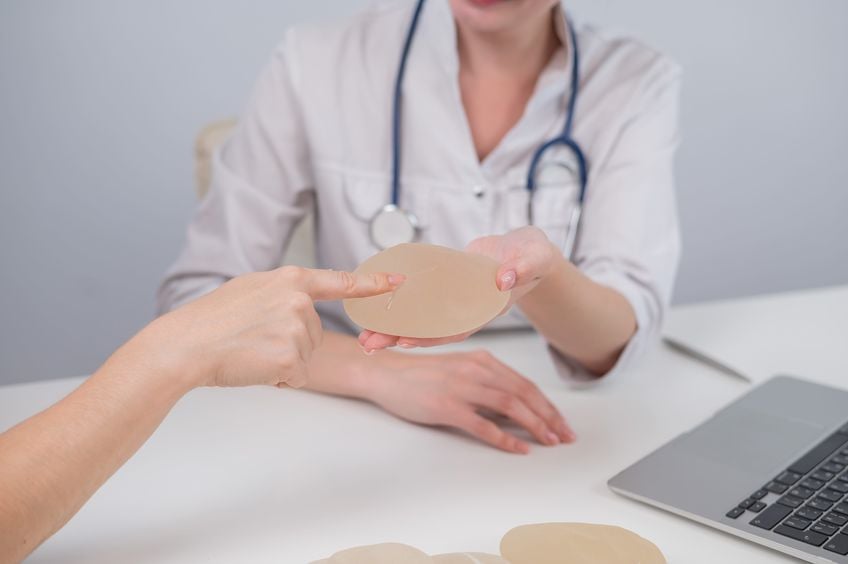
Going bigger the second time involves more than choosing a larger implant. Learn what surgeons consider during breast revision surgery.
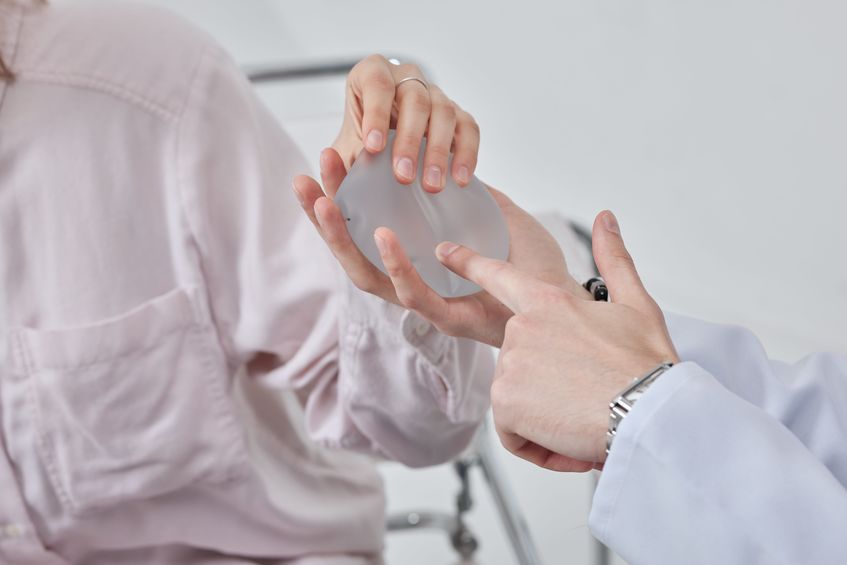
Wondering why breast augmentation alone may not be enough? Learn when sagging, stretched skin, and volume loss may require a lift as well.