
Share
Share

Beyond Cosmetic Enhancement
Blepharoplasty, or eyelid surgery, is a discreet yet effective cosmetic surgery. The procedure helps with eyelid concerns and signs of aging. The skin around the eyes is often the first to show signs of stress and aging. Puffiness, under-eye bags, and dark circles can form over time or due to genetic factors. Wrinkles, sagging skin, and drooping of the upper eyelids are other common concerns. Blepharoplasty addresses these issues through small incisions in the upper or lower eyelids. The surgeon will tighten the skin, reposition the fat, and remove excess skin to achieve a tighter, smoother appearance. While blepharoplasty is primarily for cosmetic purposes, the surgery has functional benefits, such as improving vision.
Are droopy eyelids blocking your vision?
Changes in the eyelid region can give a tired, aged appearance. The sagging skin or drooping can also impact daily vision. As skin loses elasticity and becomes loose, particularly in the upper eyelid, the skin can impact peripheral vision. Known as dermatochalasis, this condition is common in older individuals. Ptosis is another issue that affects vision. The muscles that lift and keep the eyelids open can stretch or weaken. Keeping the eyelids open becomes a challenge, limiting the entire field of vision. Other symptoms include difficulties looking upward, aching or tired eyes, dry eyes, and eye strain. In both cases, the eyes look asymmetrical. Severe ptosis develops over many years and can change an individual’s appearance.
Turning to functional blepharoplasty
Blepharoplasty can be deemed medically necessary to improve vision, especially for patients with ptosis and dermatochalasis. During initial consultations, the surgeon will assess the upper and lower eyelids and review vision concerns. Blepharoplasty is then customized to treat specific issues of the upper or lower eyelid. The procedure uses small incisions at the top of the eyelid for upper blepharoplasty. The muscles and tissue are then adjusted to improve sagging skin or drooping. With lower blepharoplasty, incisions are made on the inside or outside of the eyelid. The surgeon can then manipulate the tissue, tighten the skin, and improve eye appearance. As blepharoplasty uses small incisions, most patients can leave the same day and begin recovery at home.
When should you expect improved vision?
While blepharoplasty is an outpatient procedure, some recovery is required. Pain, swelling, and inflammation are expected 1-2 weeks post-surgery. Although the procedure is for improving vision, patients may notice blurred vision due to swelling and inflammation. Vision returns to normal after a few days. Bruising, swelling, and discomfort can last up to 14 days. At this point, most patients can return to normal activities. During this time, patients should notice vision improvement. By 1-2 months, most patients will notice significant improvement in vision, depending on the underlying reason for surgery. For the best results, follow the surgeon’s instructions for wound care, such as rest, using cold compresses, and attending follow-up sessions.
Practical and cosmetic benefits in one
Statistics show that blepharoplasty can significantly improve vision for sagging skin or drooping. Not only will patients appear more youthful and refreshed, but eye function will improve. Removing the excess skin and lifting the muscles introduces more light into the eyes, boosting the field of vision. Some patients have better peripheral vision, less eye strain, and can even avoid the need for glasses. Blepharoplasty for medical purposes makes the procedure accessible to more individuals as the right documentation can meet the criteria for insurance coverage. Take notice of initial signs of aging around the eyes and decreased vision, then consider seeking medical advice.
Related Posts...

Sometimes concealer alone cannot mask severe under-eye bags. When dark circles remain, discover the benefits of eyelid surgery.

Blepharoplasty is a common plastic surgery procedure, so understanding recovery timelines helps manage expectations.
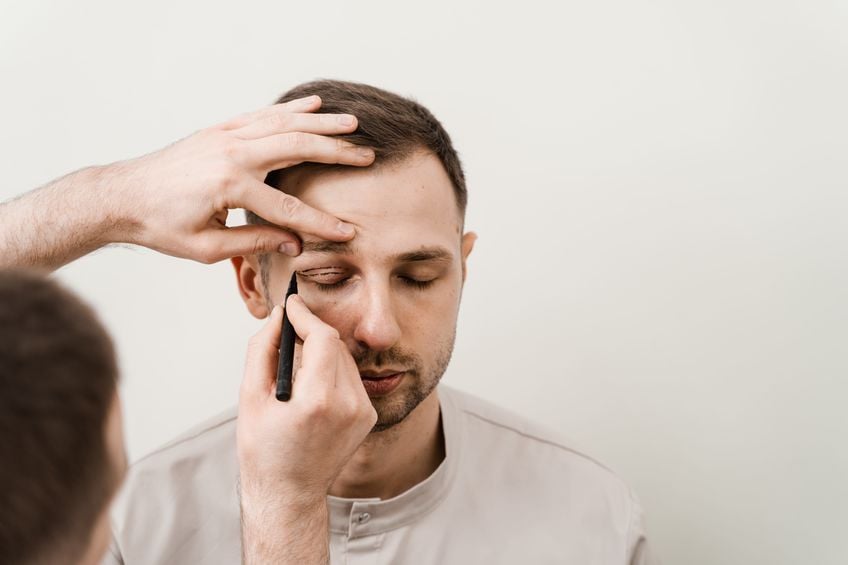
Blepharoplasty can help restore vision affected by drooping eyelids. Explore how the procedure works and what changes to expect over time.

Eyelid surgery scars are usually well-hidden and fade over time. Learn where incisions are placed, how healing works, and what to expect.