
Share
Share

The Power Of S
Traditional facelifts have been helping thousands look and feel younger. The surgical procedure helps with severe wrinkles and sagging skin, decreasing the signs of aging. However, the process is invasive and requires extensive downtime. Mini-facelifts, however, have been providing maximum results with minimal incisions. Also called an S-facelift, mini-facelifts have the advantage of a shorter recovery time. Some patients can have facelifts and resume work in a short time.
How are S-lifts performed?
S-lifts are a less invasive procedure with minimal downtime. The surgeon will assess the face in an earlier consultation and decide whether an S-lift is the right surgery. Once approved, the surgery starts with general or local anesthesia. An S-shaped incision is made by the hairline, near the temples to behind the ear. The surgeon lifts the skin and gently repositions tissue and muscles. Excess skin is removed, and the incisions are closed and bandaged. The procedure can take several hours, but the patient can leave on the same day.
What should you expect during recovery?
Traditional facelifts require more downtime since there are larger incisions and more dramatic results. Mini-facelifts focus on the lower third of the face, including jowls and cheeks. The recovery time is 4 weeks on average, or less. The first week of recovery involves managing pain and swelling. At the 7-day mark, the surgeon will remove any stitches. The remaining time is required for healing and seeing the procedure results.
When can you return to work?
Most patients choose S-lifts due to the short downtime. Doctors recommend that most patients take 2 weeks off work for recovery. Desk work, driving, and other essential activities are possible after 10-14 days. There may still be some bruising, swelling, and minor scarring, which can be covered with makeup. People with more vigorous, physical jobs need more recovery time and should wait an additional 1-2 weeks.
Are there any complications?
These timelines are based on an ideal recovery with no risks or complications. Of course, there is a possibility of complications with any procedure. Some patients will experience more swelling, bleeding, and postoperative pain, requiring more downtime. High-intensity work or exercise can worsen these symptoms, so speak with the doctor before attempting excessive physical activity. Other complications include infections, slow healing, and possible nerve damage. There is also a possible reaction to pain medication if the patient is on prescription pills or herbal supplements. The surgeon will discuss any signs and symptoms that may lengthen the recovery.
Back to business with S-lifts
Wrinkles, fine lines, and sagging skin do not reflect how one feels inside. A mini-facelift can shave several years off by lifting and tightening the skin. Deciding on a facelift means earmarking some time for recovery. Because mini-facelifts are minimally invasive, patients can return to desk work in 2 weeks or less.
Related Posts...
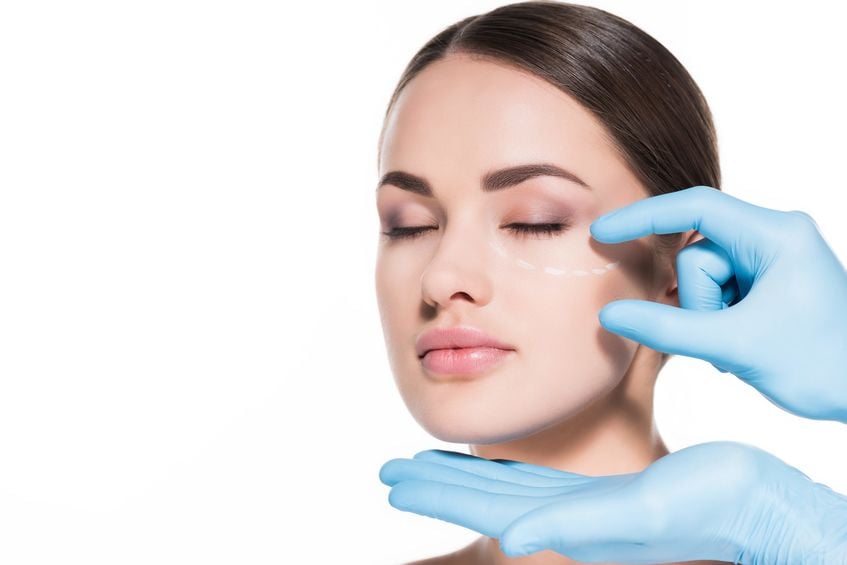
Modern lower blepharoplasty uses fat repositioning and preservation to smooth under-eye bags while maintaining natural volume and a refreshed appearance.
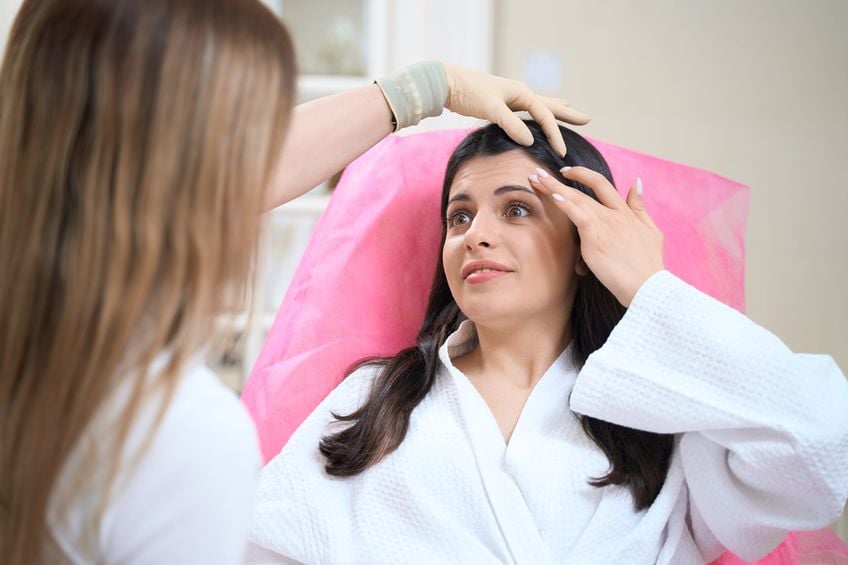
Aging around the eyes needs a specific procedure. Learn whether blepharoplasty or a brow lift is best.
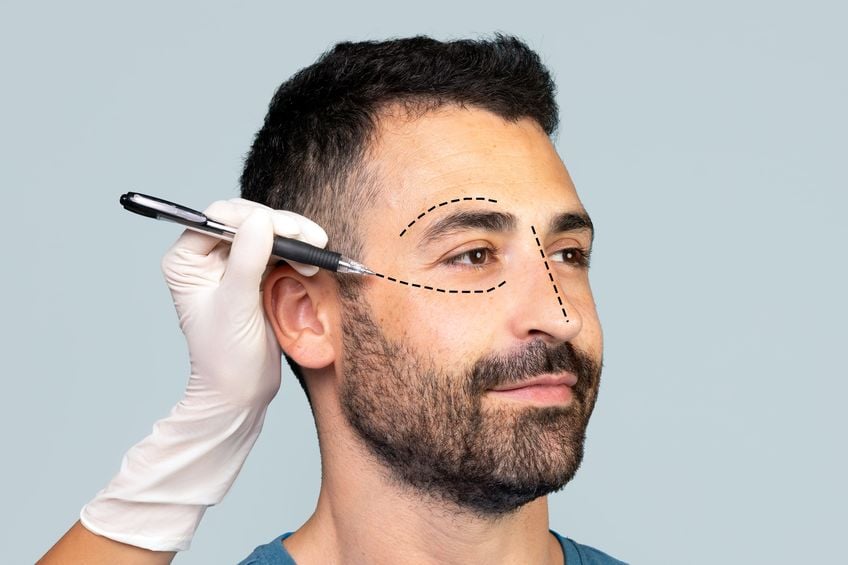
Turn back the clock on tired eyes. See how combining upper and lower blepharoplasty restores both appearance and function.
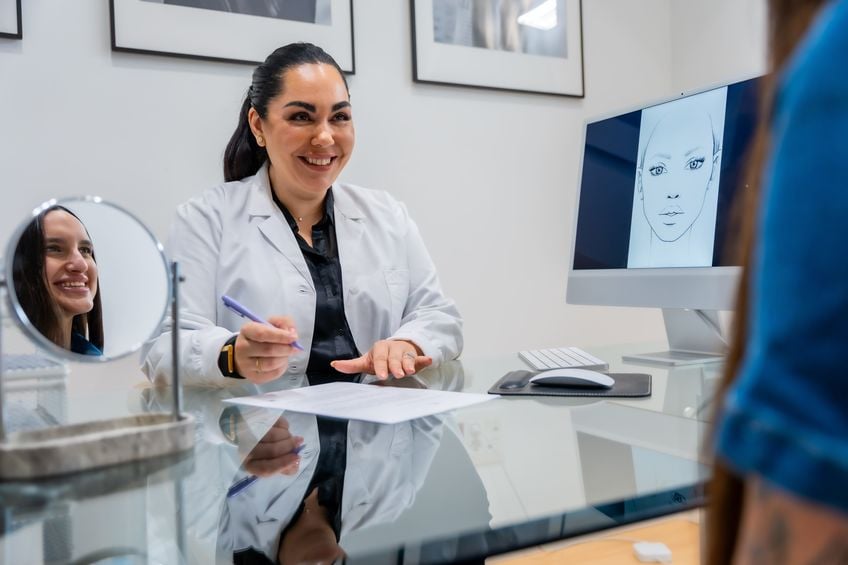
A facelift can tighten loose skin, but surgery cannot undo years of sun damage or poor skin health. Learn why skin quality matters before surgery.