
Share
Share
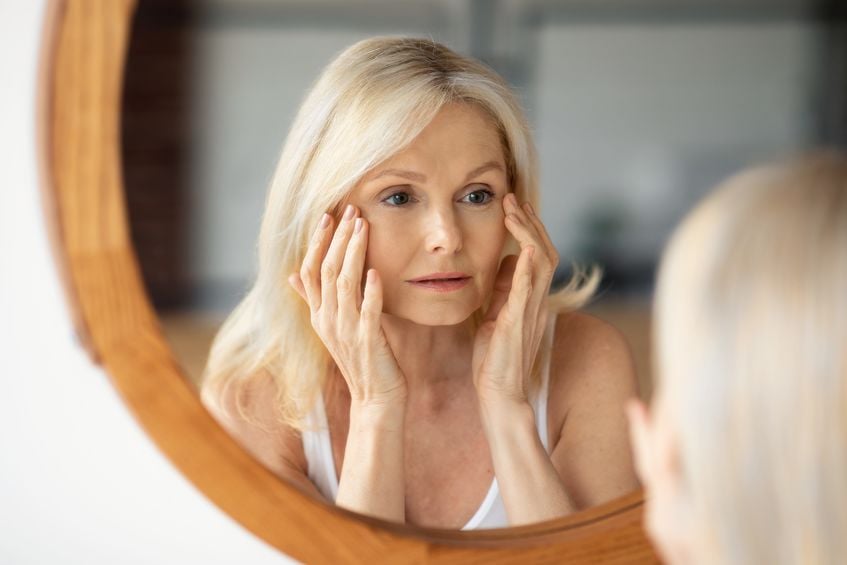
How Long Do Facelifts Last?
Facelifts are fantastic procedures that significantly improve signs of aging. Over time, wrinkles, jowls, and sagging skin form in the lower face and neck areas. These changes can make individuals look and feel older, impacting confidence. Using incisions along the hairline, cosmetic surgeons lift the skin to access and manipulate muscle, tissue, and fat pads. Skin is tightened, and the excess is removed to improve these signs of aging. After recovery, patients look significantly younger. Statistics and studies show that a facelift usually lasts about 8-10 years. In some cases, patients still look younger after that point. Results are long-lasting but not permanent because normal aging continues. Understanding the general lifetime of a facelift and having realistic expectations are vital to getting the most out of the procedure.
Factors affecting longevity
Facelifts are long-lasting procedures as surgeons actually make changes to the underlying tissues and structures that contribute to facial aging. While statistics show that facelifts last at least 10 years, there are factors that influence longevity. The patient’s skin quality and elasticity guide how effective the results will appear and how long the facelift will last. Genetics, weight changes, diet, and long-term skin care affect skin quality and elasticity significantly. Individuals with lifestyle habits like smoking or spending long hours in the sun may have shorter facelift lifespans. Additional factors include the surgeon’s skill, technique used, healing ability, and postoperative care habits.
Setting realistic expectations
Facelifts do not stop aging. The procedure seeks to reset the clock and improve perceived age. The face will keep aging, but in a more refreshed, refined position. Patients should also be aware that factors like surgical technique, surgeon’s skill, and healing abilities impact final results. A facelift addresses the middle to lower areas of the face, but the procedure does not improve aging around the forehead, eyebrows, or eyelids. Procedures like blepharoplasty or a brow lift are often combined with a facelift for full-face rejuvenation. Facelifts do not change skin texture, sun damage, or fine surface wrinkles. Non-surgical procedures like dermal fillers, neuromodulators, or chemical peels can help with these issues. A surgeon will discuss results while helping the patients to have realistic expectations about the procedure.
Maximize your facelift
Patients can take additional steps well after recovery to maximize the facelift. Protecting the investment, internally and externally, can augment and even extend the results. Strict sun protection, no smoking, good skincare, a healthy diet, and steady hydration all help preserve the outcome. Wear sunscreen every day and avoid deliberate tanning, since ultraviolet (UV) exposure speeds skin aging. Studies show smoking can accelerate aging while slowing down healing and increasing the risk of wrinkles. Use a consistent skincare routine. A gentle cleanser, moisturizer, and products like retinoids, antioxidants, or peptides keep the skin youthful. Adopting healthy habits, including proper hydration and a whole food diet, reduces inflammation and supports collagen production. As the years progress, non-surgical treatments such as dermal fillers, laser procedures, or other skin-tightening options may help maintain a facelift result after healing is complete.
A practical takeaway
A facelift serves as a powerful investment in personal confidence. The procedure effectively turns back the clock by 8-10years. While the procedure cannot freeze time permanently, the structural changes made to the underlying tissues ensure that the face continues to age from a much more youthful baseline. While long-lasting, patients are encouraged to have realistic expectations, combining other strategies as needed for proper facial rejuvenation. Even after recovery, a diligent skincare routine, and healthy lifestyle choices, patients can protect the initial results and extend longevity. To explore how a facelift can meet specific aesthetic goals, the most practical next step is scheduling a personal consultation with a board-certified cosmetic surgeon.
Related Posts...
Modern lower blepharoplasty uses fat repositioning and preservation to smooth under-eye bags while maintaining natural volume and a refreshed appearance.
Aging around the eyes needs a specific procedure. Learn whether blepharoplasty or a brow lift is best.
Turn back the clock on tired eyes. See how combining upper and lower blepharoplasty restores both appearance and function.
A facelift can tighten loose skin, but surgery cannot undo years of sun damage or poor skin health. Learn why skin quality matters before surgery.