Share
Share
Ready For The S-Lift?
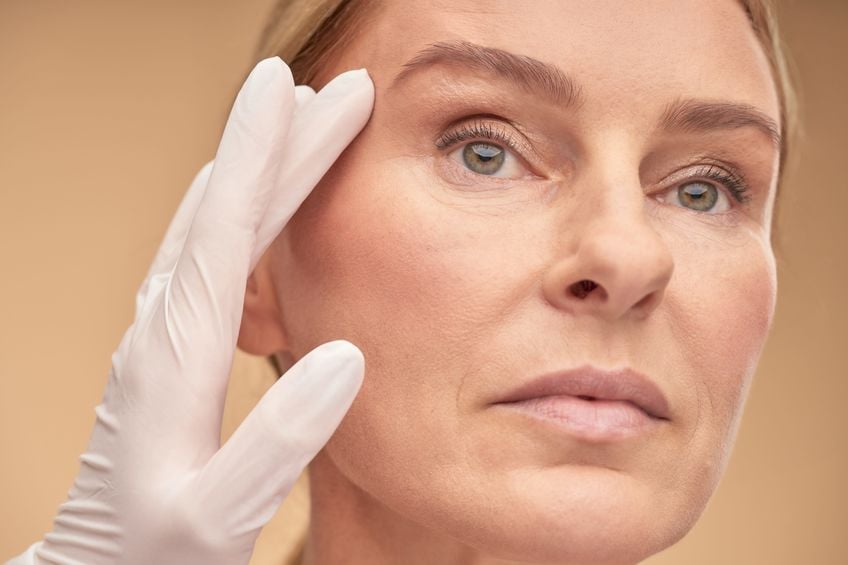
Turning 40 often comes with small changes in the mirror. The jawline may look softer than before, and early jowls may appear in certain lighting. The lower face can begin to lose some of the sharp definition that once framed the profile. Many people at this point are not looking for dramatic change. The S-lift has become a popular option because the procedure targets early aging in the lower face while keeping results subtle and natural.
The first signs
Aging often shows up first in the lower part of the face. Skin along the jawline can start to loosen, and the sharp line between the chin and neck may soften. Mild sagging beneath the chin can make the face look more tired than the person actually feels. By lifting tissue around the jawline and neck, the procedure helps restore a more defined profile.
A lift that looks natural
Many patients around age 40 want improvement without an obvious surgical look. The S-lift focuses on refinement rather than dramatic lifting. Surgeons reposition deeper facial structures instead of simply tightening surface skin. Repositioning deeper support layers preserves natural facial expression and prevents the tight appearance sometimes seen with older facelift techniques.
Early action pays off
Skin elasticity often remains strong around age 40. Strong elasticity can support smoother healing and reliable surgical results. Addressing mild sagging earlier may also prevent deeper folds along the jawline later. Many surgeons consider the S-lift a way to improve early changes before sagging becomes more noticeable.
How the lift happens
The S-Lift is named after the S-shaped incision placed around the ear. Surgeons place the incision within natural skin creases to keep scars discreet after healing. Surgery usually takes a couple of hours and often uses local anesthesia with light sedation instead of full general anesthesia. The procedure lifts the lower face and tightens deeper support layers to restore jawline definition.
A quick recovery
Downtime remains a major reason many people choose an S-Lift. The swelling and bruising right after surgery typically improve within the first week. Many patients feel comfortable returning to work and light activities after several days. Social events and public settings usually feel manageable within a couple of weeks as healing continues.
Results that age naturally
S-lift results typically last several years, although lifestyle habits and genetics influence longevity. Because the procedure lifts deeper facial structures rather than stretching skin alone, results tend to blend naturally with facial movement. The refreshed look often appears gradual rather than dramatic.
When a larger lift is better
The S-lift works best for early signs of aging along the jawline and lower face. Concerns involving the forehead, eyelids, or deeper neck sagging may require additional procedures such as a brow lift or eyelid surgery. In cases of more advanced sagging, a traditional facelift may provide better correction.
A fresher, younger profile
The forties often represent a time of personal and professional growth. Many people simply want the look to reflect the same energy already present in daily life. A small lift in the right place can restore definition and bring a sense of balance back to the face. For many patients, the S-lift offers a way to look refreshed without looking like surgery ever happened.
Related Posts...
Aging around the eyes needs a specific procedure. Learn whether blepharoplasty or a brow lift is best.
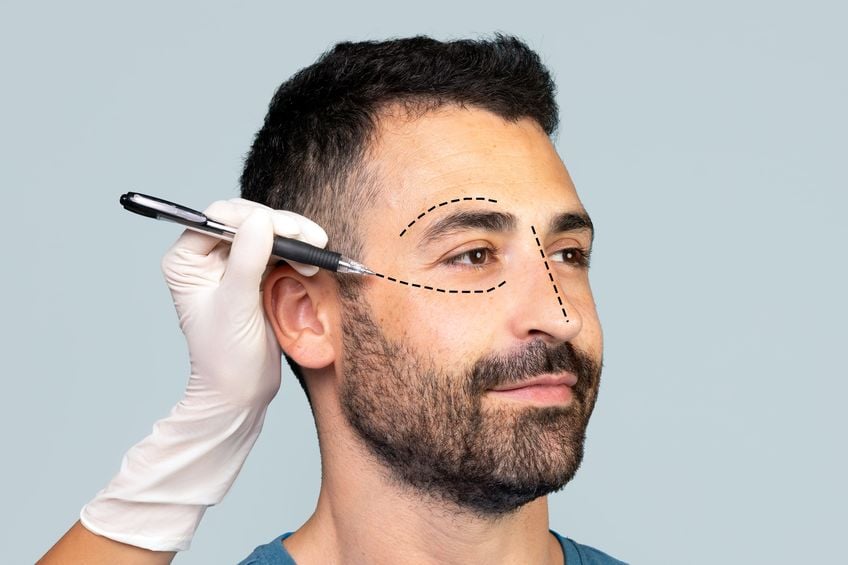
Turn back the clock on tired eyes. See how combining upper and lower blepharoplasty restores both appearance and function.
A facelift can tighten loose skin, but surgery cannot undo years of sun damage or poor skin health. Learn why skin quality matters before surgery.
A neck lift can address concerns a facelift alone may not fully correct. Learn why the procedures are frequently paired and when combining them makes sense.