Share
Share
Why Do Some Results Look More Natural?
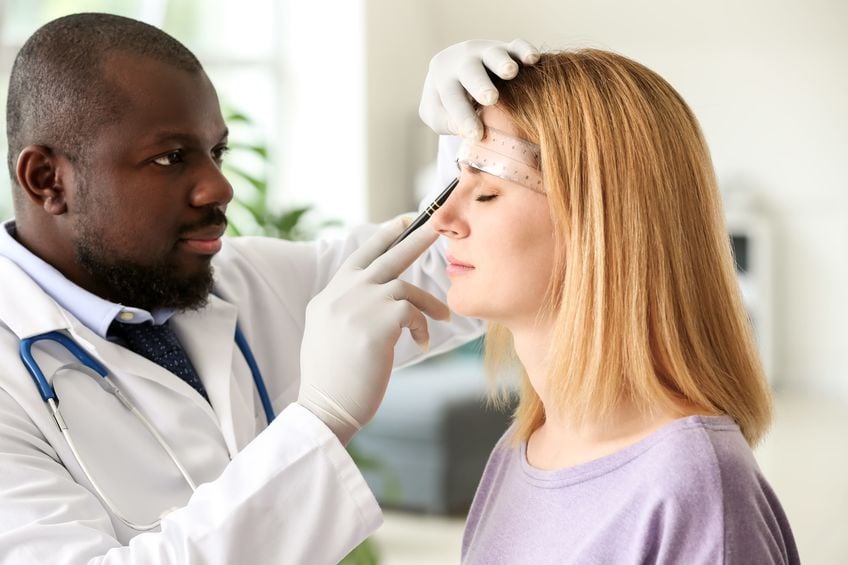
Many people assume under-eye aging comes down to puffiness alone. While under-eye bags can make a face look tired, volume loss often plays an equally important role. As the years pass, the area beneath the eyes can become hollow, creating shadows and a fatigued appearance that does not always match how a person feels. Lower blepharoplasty can address excess fat and skin, but structural fat grafting adds another layer by restoring lost volume. Together, the techniques can create smoother under-eye contours and a more natural result.
When less falls short
Traditional lower blepharoplasty often focused on removing bulging fat from beneath the eyes. While that approach could improve puffiness, excessive fat removal sometimes created a hollow appearance that became more noticeable over time. Deeper tear troughs, increased shadowing, and a more skeletonized look became common concerns in some patients. As facial volume naturally decreases with age, the changes can become even more apparent years after surgery.
Preservation over removal
Modern lower blepharoplasty embraces a tissue-preserving approach rather than a tissue-removing approach. Instead of viewing under-eye fat as something that must always be removed, many surgeons now recognize the value of preserving and repositioning existing tissue. The change in approach helps maintain natural contours while addressing the changes that contribute to an aged appearance.
Replacing lost volume
Structural fat grafting uses carefully harvested fat from another area of the body to restore volume beneath the eyes and through the upper cheek. After processing and purification, small amounts of fat are strategically placed into areas affected by volume loss. The technique allows for precise contour enhancement while using natural tissue rather than synthetic materials.
A less hollow appearance
A primary goal of structural fat grafting is to create a smoother transition between the lower eyelid and cheek. Hollow tear troughs and abrupt contour changes often contribute to persistent shadows and dark circles. Strategic fat placement helps soften the transitions, reducing contrast beneath the eyes and creating a more refreshed appearance.
Beyond simple filling
Structural fat grafting does more than restore fullness. Fat contains stem cells and growth factors that may contribute to improvements in skin quality over time. The added benefit is particularly valuable in the lower eyelid region, where skin is naturally thin and often among the first areas to show visible signs of aging.
A longer-lasting solution
Unlike temporary fillers that require ongoing maintenance, structural fat grafting has the potential to provide long-lasting improvement. A portion of the transferred fat establishes a blood supply and becomes incorporated into surrounding tissue. Successful integration allows restored volume to age naturally alongside nearby facial structures.
How surgeons combine techniques
Successful outcomes often depend on a combination of techniques rather than a single procedure. Hidden incisions inside the lower eyelid allow access without visible external scars, while fat repositioning and structural fat grafting work together to address both puffiness and volume loss. Additional skin treatments may also be performed when needed to refine overall results without compromising lower eyelid support.
Preserving what matters
The most successful lower blepharoplasty results rarely draw attention to surgery. Structural fat grafting supports a more balanced approach by preserving natural contours while addressing volume loss that develops with age. Rather than creating a dramatically different appearance, structural fat grafting helps maintain harmony between the eyes, cheeks, and surrounding facial features.
Related Posts...
A facelift can tighten loose skin, but surgery cannot undo years of sun damage or poor skin health. Learn why skin quality matters before surgery.
A neck lift can address concerns a facelift alone may not fully correct. Learn why the procedures are frequently paired and when combining them makes sense.
A facelift should be a long-term investment. Learn how long the procedure will realistically last.

Natrual-looking facelifts are achievable. Learn how these stand out from pulled, overdone facial surgery.