Share
Share
Wondering Which Facelift Is Best?
There are many factors to consider when choosing facelift surgery. Deciding on what type of facelift is arguably the most important factor to consider. The goal, therefore, should be to choose the best option that maximizes results and fits the patient’s lifestyle. Surgeons will suggest a full facelift or mini lift. These procedures address the signs of aging to different degrees. Some patients are better candidates for a mini facelift, while others will benefit from a full facelift. Understanding both procedures and features while asking the right questions ensures that patients make the best decision.
What’s the difference?
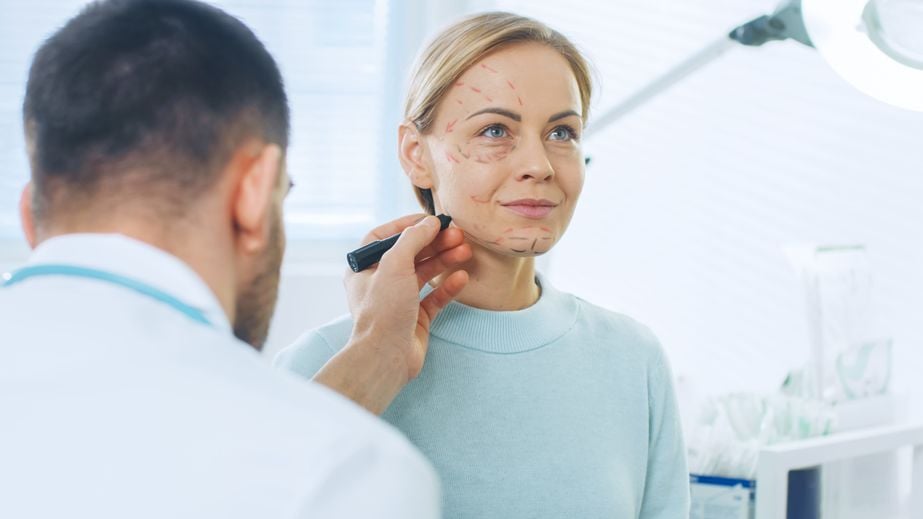
A facelift or rhytidectomy is a surgical procedure that addresses signs of aging through incisions along the hairline. The surgeon will manipulate underlying tissue, including muscle and fat deposits, while tightening skin to create a youthful, refreshed appearance. A full facelift is the most comprehensive form of facelift. The procedure requires larger, more significant incisions and targets the deeper layers of tissue and muscle. The full facelift targets the midface, jawline, neck, and deep nasolabial folds. A mini lift is a more minimally invasive option that focuses on skin tightening and addressing the initial underlying layers. This procedure uses smaller incisions and targets the lower cheeks, jawline, and some areas of the neck. Both options are growing in popularity, with tens of thousands of procedures performed yearly.
Choose a full facelift
Some patients are great candidates for a full facelift. This procedure targets more advanced aging across the face and neck. The best patients have moderate-to-severe sagging, noticeable deep nasolabial folds, and loose skin around the neck. Patients who have lost significant volume and definition caused by gravity and genetics are also great candidates. Full facelift patients are often older and have had other procedures in the past to address signs of aging. The ideal patient also wants longer-lasting results and has tried other procedures in the past. Patients looking to tighten the face and neck while improving facial volume are ideal candidates.
Choose a mini lift
A mini facelift is ideal for early signs of aging in the lower face. Patients with initial mild sagging along the jawline, but who still have skin laxity, are also ideal candidates. The patient’s neck area also has minimal loose skin. The procedure is ideal for younger patients, with some starting from age 35. A mini lift is also called a weekend lift, as patients prefer the shorter recovery time. Many get mini lifts over the weekend or during a short vacation. Surgeons will recommend the procedure for those who want to tighten the lower cheeks, jawline, and parts of the neck. While effective, there are limitations. Some candidates with significant sagging or signs of aging may not achieve long-term results. Patients with deeper structural sagging should opt for a full facelift instead.
Make the right choice
The biggest considerations are the depth of correction and long-term goals. Surface-level signs of aging benefit from a mini lift. A full facelift addresses big structural changes, including significant jowls and sagging. Through consultations and questions with a surgeon, determining the best option is easier. Does the patient want subtle improvement or a dramatic reset? Is the concern mainly along the jawline or includes the neck? Does the patient look or feel older? Take the time to prepare, ask the right questions, and make the right choice.
Related Posts...
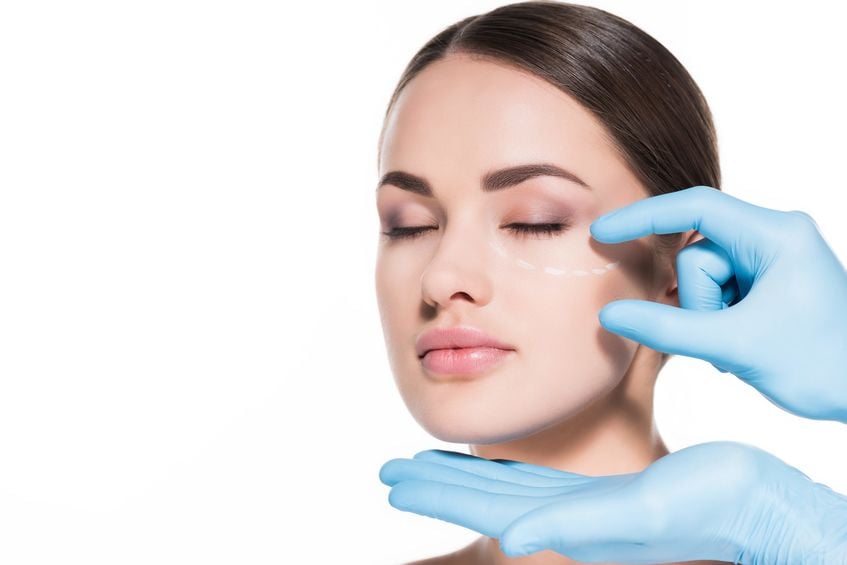
Modern lower blepharoplasty uses fat repositioning and preservation to smooth under-eye bags while maintaining natural volume and a refreshed appearance.

Aging around the eyes needs a specific procedure. Learn whether blepharoplasty or a brow lift is best.
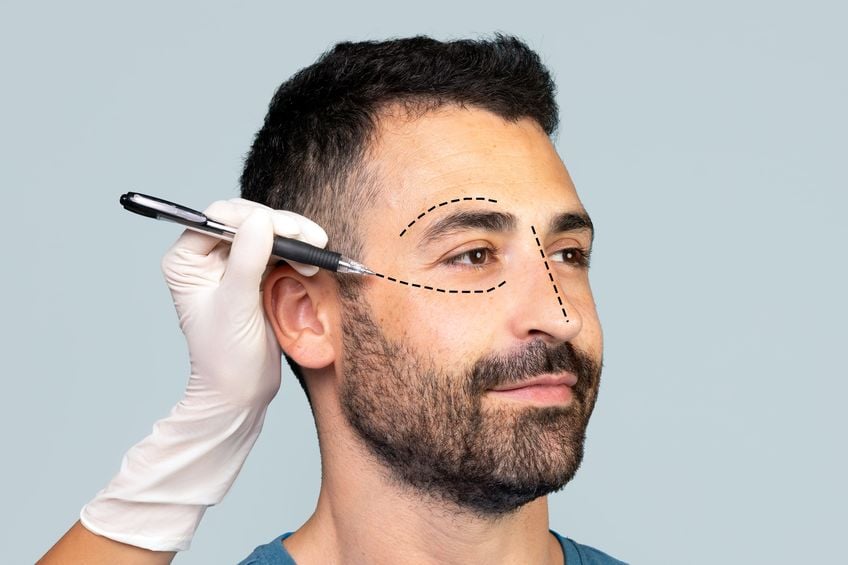
Turn back the clock on tired eyes. See how combining upper and lower blepharoplasty restores both appearance and function.

A facelift can tighten loose skin, but surgery cannot undo years of sun damage or poor skin health. Learn why skin quality matters before surgery.