
Share
Share
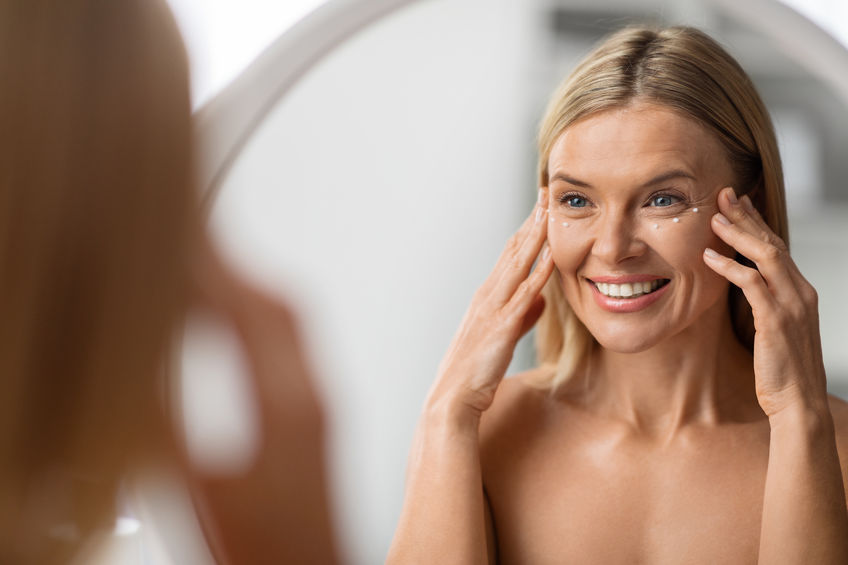
Are Facelifts The Answer To Boosting Youth?
Age brings wisdom and experience, which can sometimes reflect externally. Looking in the mirror shows an individual with signs of aging that does not reflect the inner experience. These signs are natural, as with age, gravity, and a loss of facial volume can lead to sagging skin, deep wrinkles, and visible jowls. Over time, creams and serums cannot maintain that firm, smooth skin. While non-surgical options offer temporary solutions, most cannot address the structural changes that cause these signs of aging. A facelift, or rhytidectomy, is a powerful and proven surgical option designed to restore a firmer, more youthful appearance by targeting the root cause of these issues.
Understanding the modern facelift
There are still some misconceptions about facelifts that discourage many individuals from exploring the procedure. There is the image of the pulled, unnaturally tight, “wind-swept” facelift that takes away from an individual’s natural features. Not anymore. The modern facelift focuses on a natural, refreshed look that harmonizes with the patient’s unique facial structure. Instead of simply pulling the skin, surgeons work on the deeper underlying tissues and muscles of the face and neck. Surgeons now have an excellent understanding of these layers and can manipulate tissue to achieve fantastic results. This strategic repositioning creates features that are youthful and completely natural, avoiding the tell-tale signs of surgery.
Are you a candidate?
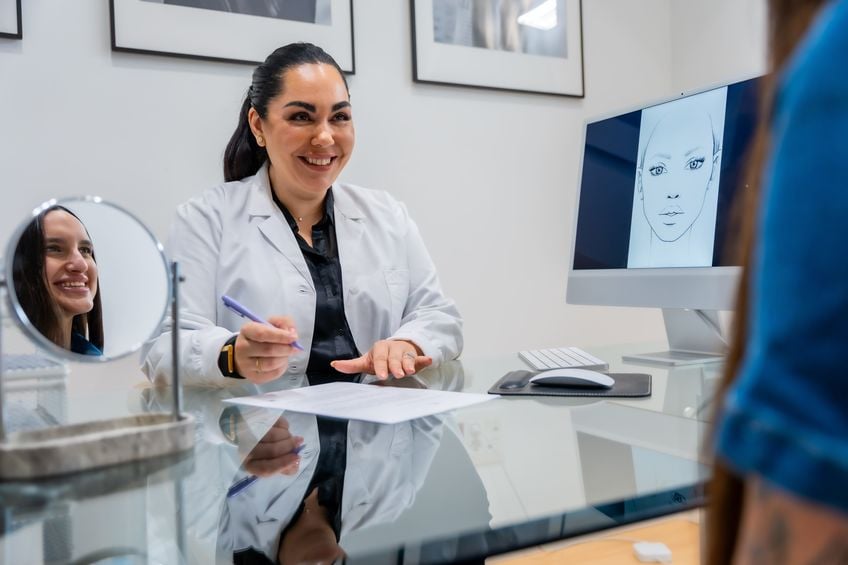
Facelifts, while effective, are not for everyone. An ideal candidate for a facelift is in good overall health and has realistic expectations about the outcome. A facelift should not alter an individual’s appearance but target and improve aging concerns. Typically, candidates are bothered by visible signs of aging such as sagging skin on the mid-face, deep creases, jowls, and a loss of jawline definition. While age is not the sole factor, most candidates are between 40 and 65. Younger individuals are exploring other options like the mini facelift, a less invasive option that produces subtle results. The best way to determine if a facelift is appropriate is to have a consultation with a qualified surgeon. The surgeon can suggest the best procedure or recommend a combination of procedures for improved facial rejuvenation.
What happens during your facelift journey?
The surgeon will create a custom plan to target specific concerns, then set a date for the procedure. Patients are advised to maintain a healthy diet and lifestyle leading up to surgery. A facelift is performed under anesthesia and takes several hours, depending on the extent of the procedure. The surgeon makes carefully placed incisions, typically along the hairline and around the ears, to conceal any scars. Through these incisions, the underlying facial tissues and muscles are lifted and repositioned to a more youthful contour. Excess skin is trimmed, and the remaining skin is draped over the new facial contours. The incisions are hidden within the hairline and covered with bandages. The goal is to produce a firmer, more refreshed look.
The facelift recovery process
Recovery is a crucial part of your journey to a new you. Patients generally leave the surgical center the same day to begin recovery at home. Following the procedure, expect swelling and bruising, which typically subside over the first 2 weeks. Most patients can return to work and social activities within 2 weeks, although strenuous exercise should be avoided for longer. A full recovery, with all swelling gone and final results visible, can take several months. Follow all post-operative instructions to ensure a smooth and safe healing process. Continue to maintain cosmetic results via a healthy diet, prioritizing rest, avoiding excessive sun exposure, and reporting any severe side effects to the surgeon.
Toward a timeless look
Deciding to have a facelift is a personal choice that should not be taken lightly. Explore all surgical and non-surgical options and work with a surgeon through initial consultations. The surgeon will explore aesthetic concerns, discuss benefits and risks, and then create a custom plan. A facelift doesn’t stop the aging process, but the results are remarkably long-lasting. Studies show that facelifts have a high success and satisfaction rate, lasting 10 years or more. Patients also look noticeably younger, with perceived age dropping at least 8 years. After the procedure and recovery, continue to practice healthy habits to maintain and maximize results. Use this procedure to unlock a youthful look and improved quality of life.
Related Posts...
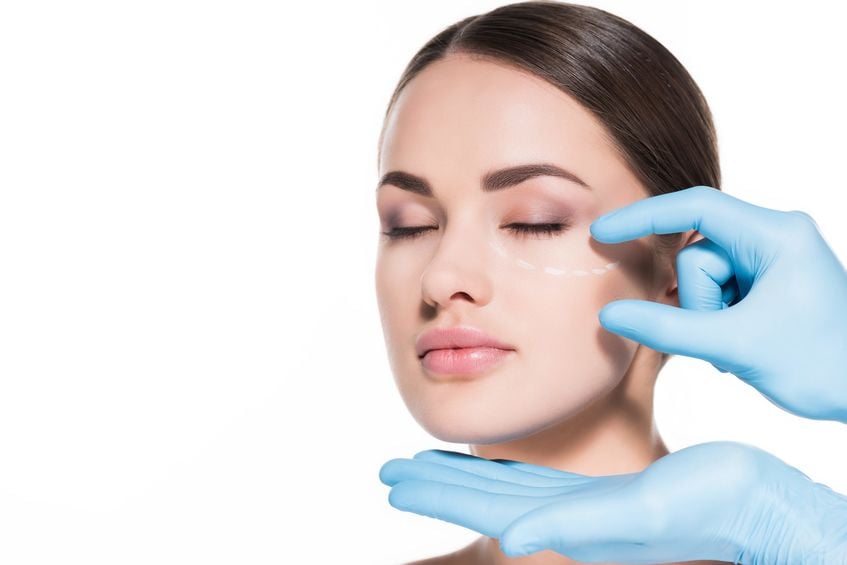
Modern lower blepharoplasty uses fat repositioning and preservation to smooth under-eye bags while maintaining natural volume and a refreshed appearance.
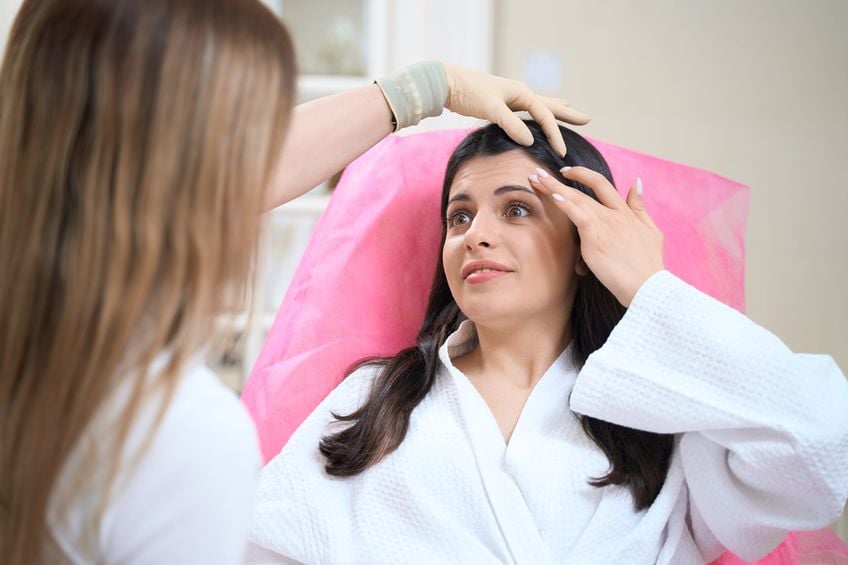
Aging around the eyes needs a specific procedure. Learn whether blepharoplasty or a brow lift is best.
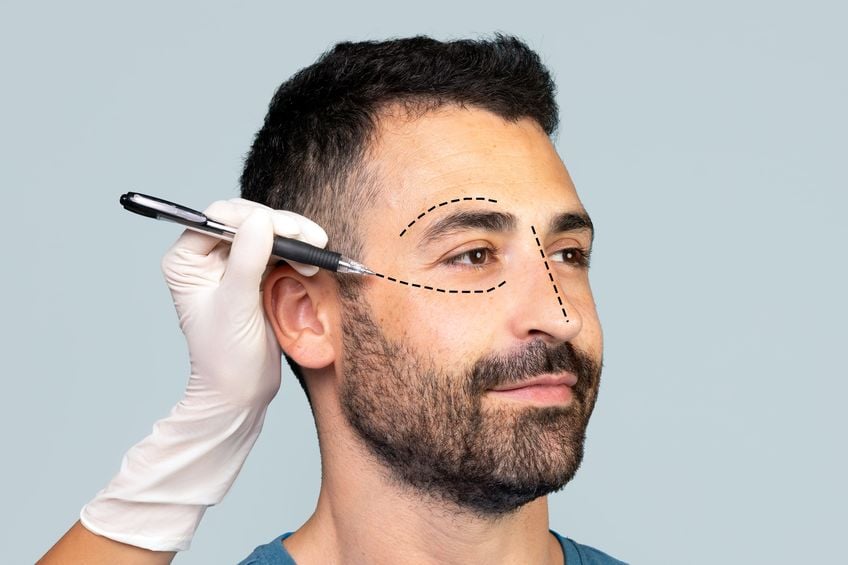
Turn back the clock on tired eyes. See how combining upper and lower blepharoplasty restores both appearance and function.
A facelift can tighten loose skin, but surgery cannot undo years of sun damage or poor skin health. Learn why skin quality matters before surgery.