
Share
Share

Time For A Facelift?
Many people start thinking about facelift surgery after noticing small changes in the mirror. A jawline no longer looks as sharp as before. Loose skin starts to show up in photos. The face can begin to look tired even after a full night of sleep. A facelift can help restore definition, but good results start before surgery. A few simple steps ahead of time can make recovery smoother and help the final result look natural
Before surgery begins
Facelift surgery involves more than the procedure performed in the operating room. The weeks leading up to surgery can influence how smoothly healing progresses and how comfortable recovery feels. Factors such as circulation, medications, and home recovery planning all affect the way the body responds after surgery. Careful preparation before surgery helps reduce complications, support healing, and set the stage for the best possible results.
1. Health comes first
Good health makes healing after facial surgery much easier. Smoking and nicotine products reduce blood flow, which can slow healing and increase the risk of complications. Because of the effects of smoking on blood flow, most surgeons ask patients to stop nicotine several weeks before surgery. Stable blood pressure, balanced blood sugar, and overall wellness can also support a smoother recovery. A healthy body simply heals better after surgery.
2. Watch medications and supplements
Certain medications and supplements can increase bleeding or bruising during surgery. Aspirin, ibuprofen, and similar anti-inflammatory drugs often need to be stopped for a short period before surgery. Some herbal supplements such as garlic, ginseng, and ginkgo, can also affect blood clotting. A complete list of medications and supplements helps the surgeon identify possible concerns and guide preparation before surgery.
3. Plan for downtime ahead of time
Recovery usually feels easier with a little planning. A quiet place to rest, easy meals, and extra pillows to keep the head elevated can make the first few days much more comfortable. Help from a friend or family member during the first couple of days can also make a big difference. Time away from work and strenuous activity allows the face to heal without added strain.
Meeting with a surgeon
A consultation is usually the first step in planning facelift surgery. During the visit, a surgeon reviews medical history, current medications, and overall health to make sure surgery can be performed safely. The surgeon also evaluates facial structure, skin elasticity, and areas of concern such as the jawline or neck. The conversation helps set realistic expectations and allows time to discuss preparation steps, recovery planning, and the type of results surgery may achieve.
Preparation makes a difference
A facelift can restore definition to the lower face and create a more refreshed appearance. The steps taken before surgery often matter just as much as the procedure. Paying attention to health, medications, and recovery planning can make healing easier and reduce surprises after surgery. A little preparation ahead of time can lead to smoother recovery and results that look natural.
Related Posts...
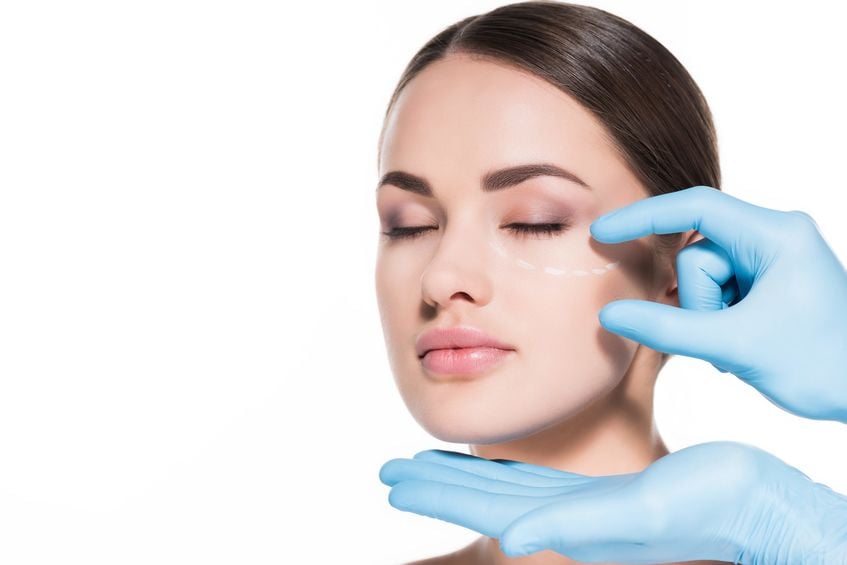
Modern lower blepharoplasty uses fat repositioning and preservation to smooth under-eye bags while maintaining natural volume and a refreshed appearance.

Aging around the eyes needs a specific procedure. Learn whether blepharoplasty or a brow lift is best.
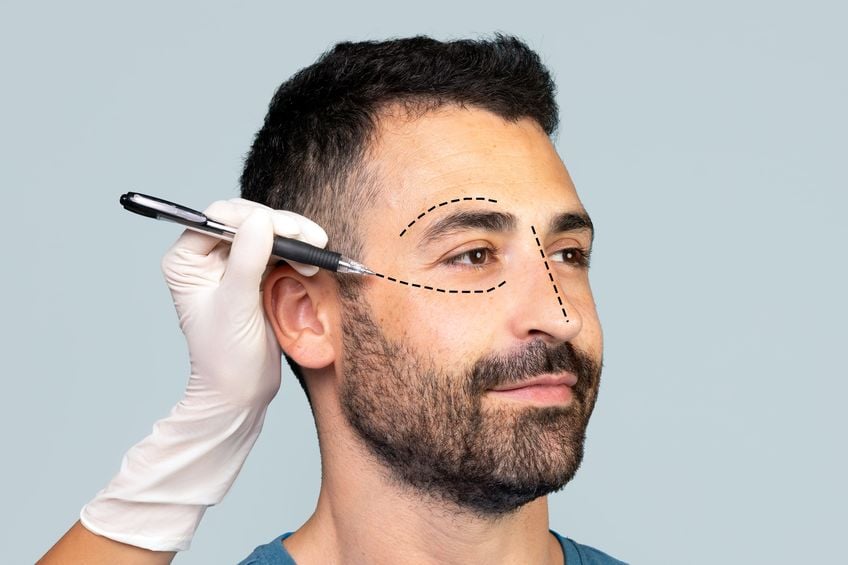
Turn back the clock on tired eyes. See how combining upper and lower blepharoplasty restores both appearance and function.
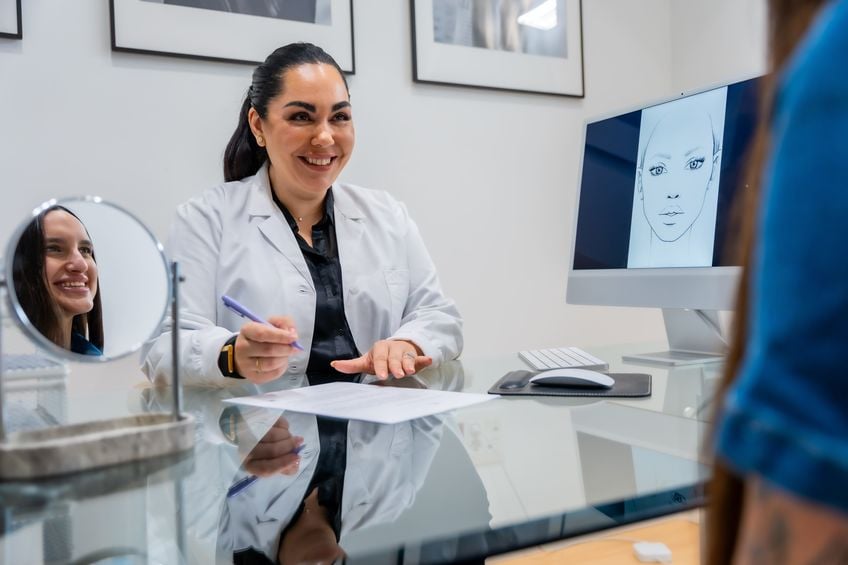
A facelift can tighten loose skin, but surgery cannot undo years of sun damage or poor skin health. Learn why skin quality matters before surgery.