
Share
Share
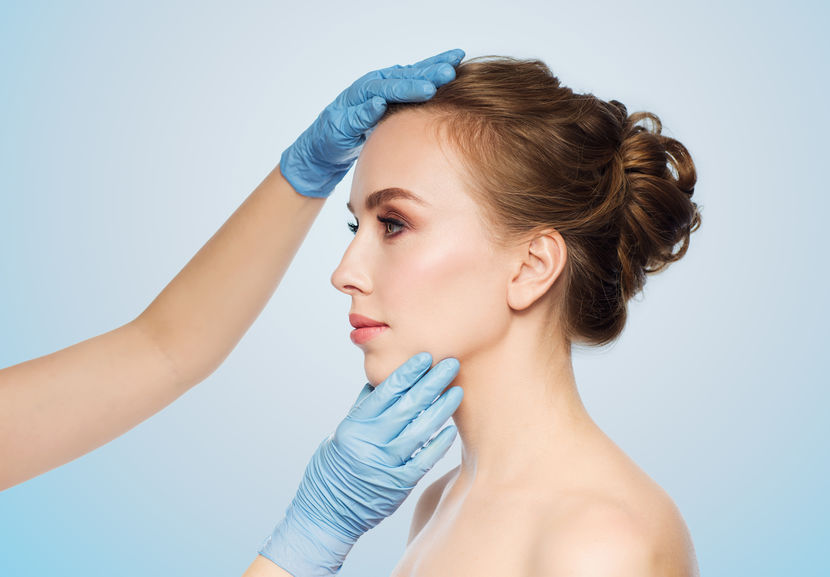
Understanding facelifts
A facelift, also called rhytidectomy, addresses signs of aging through surgical manipulation. The procedure achieves this by removing excess skin, removing fat deposits, tightening muscles, and adjusting facial structure. This helps to adjust or reverse signs of aging that occur due to genetics, significant aging, weight changes, or reduced elasticity. The procedure is invasive and performed with the patient under general anesthesia. Facelifts start with incisions at the ear and around the hairline. The skin is lifted to adjust the underlying layers. Excess skin is removed, with the remaining skin tightened and draped back at the appropriate location. The incisions are then closed and hidden within the patient’s natural hairline. After recovery, which can take weeks, the patients will enjoy a new, youthful look.
Why do some facelifts look overdone?
A common concern of facelift patients or those interested in the procedure is the possibility of looking overdone. This means that after healing, the patient’s skin looks excessively tight, lacking volume and symmetry. Most cases are due to differences in the initial consultation, poor surgical techniques, and misplacement of facial volume. Pulling the skin too tightly creates a taut, ‘windblown’ appearance. Patients will notice changes in the cheeks and earlobes. Inexperienced or less-skilled surgeons attempt to remove every wrinkle and crease, stripping away features that make the face look youthful. Poor placement or removal of excess tissue can lead to an unnatural appearance. The goal is to create a youthful yet natural change by using the right procedures and techniques.
Modern techniques, natural results
The best results come from choosing and performing the right modern technique. Some patients can benefit from a mini facelift, which is a less invasive option for gentle changes. This procedure targets the subcutaneous layer, relying on healthy tissue and skin tension for lift and tightening. Superficial muscular aponeurotic system (SMAS) facelifts target deeper layers of tissue under the skin, creating more noticeable results. A deep plane facelift creates the most dramatic results and is ideal for older patients. This option requires highly skilled surgeons who can adjust muscle and tissue beyond the SMAS layer.
Individual treatment planning
If the patient gets a procedure that is unaligned with individual needs, this overdone look can occur. The face is a unique part of humans, and everyone has individual needs. Through consultations, the doctor can design a plan based on experience and patient goals. Doctors can combine techniques or focus on specific areas, like the neck or cheeks. Techniques like the composite facelift can target the midface and lower eyelid areas. The direction of the lift, restoring fat loss with grafting techniques, and effective tissue repositioning all help patients look more youthful.
Ensuring you get natural results
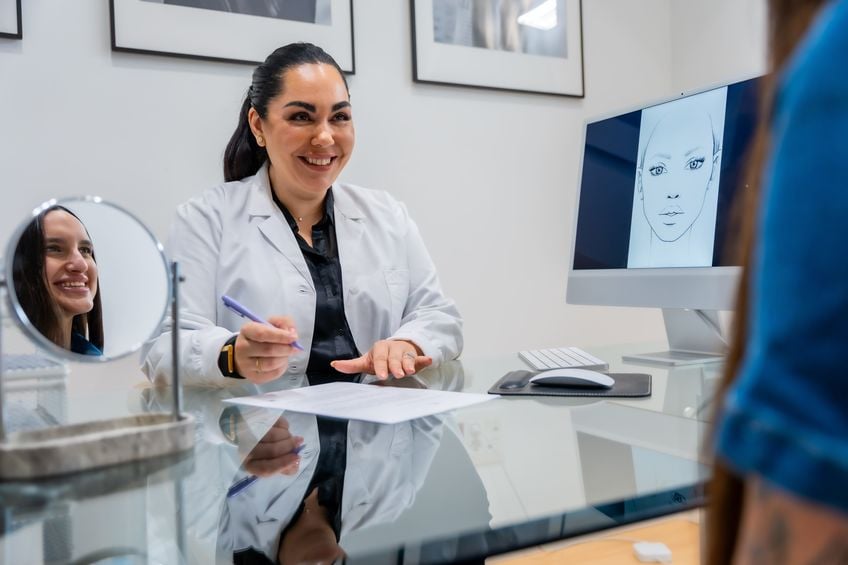
Facelifts are decisions that influence quality of life. Choose a skilled surgeon with years of experience addressing specific concerns. Review past examples and set expectations based on individual goals. Show younger photos to help the surgeon understand natural facial features, which avoids an overdone appearance. Follow all instructions for surgery preparation and recovery. This may include making lifestyle changes to help with skin health, optimizing recovery, and adopting new skincare routines. Sometimes, complementary procedures like an eyebrow lift or neck lift help achieve a more youthful, refreshed look. With planning and surgical expertise, facelifts can look fantastic without being overdone.
Related Posts...
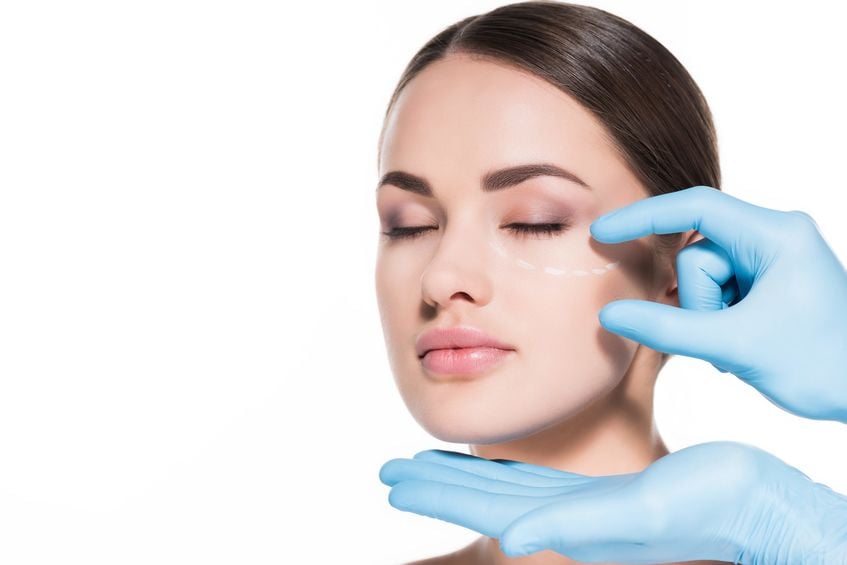
Modern lower blepharoplasty uses fat repositioning and preservation to smooth under-eye bags while maintaining natural volume and a refreshed appearance.
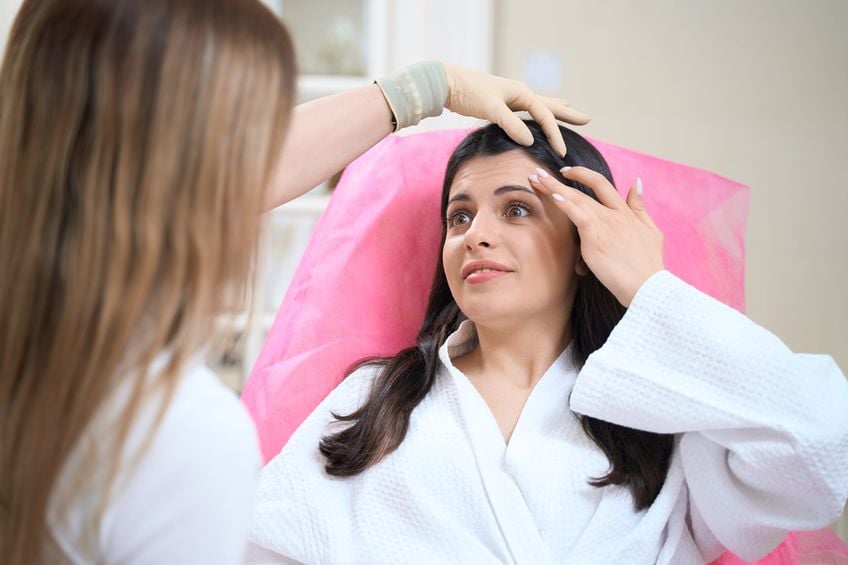
Aging around the eyes needs a specific procedure. Learn whether blepharoplasty or a brow lift is best.
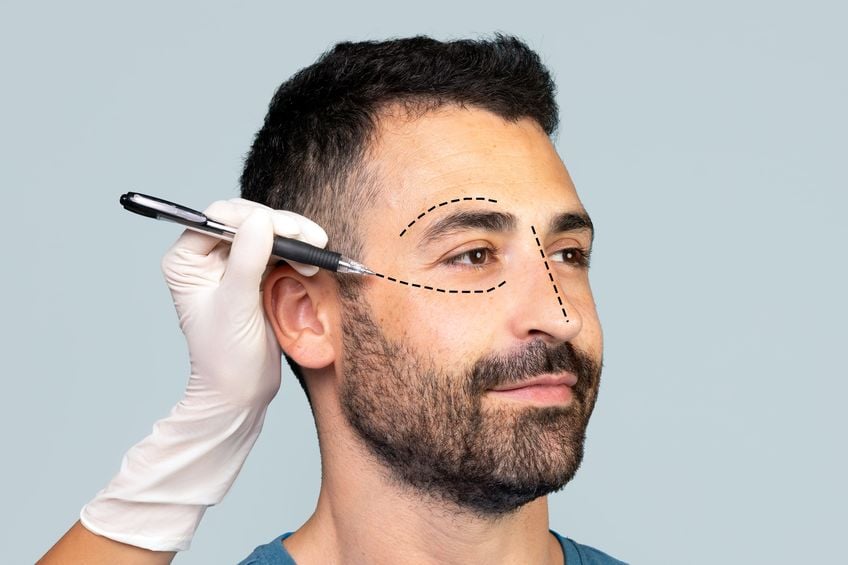
Turn back the clock on tired eyes. See how combining upper and lower blepharoplasty restores both appearance and function.
A facelift can tighten loose skin, but surgery cannot undo years of sun damage or poor skin health. Learn why skin quality matters before surgery.