
Share
Share

Sometimes Less Is More
Getting a facelift is a major decision that should not be taken lightly. At this point, an individual has recognized signs of aging that skincare products or non-surgical procedures will not fix. A facelift or rhytidectomy is a surgical procedure that provides significant improvement by manipulating skin, muscles, and tissue. There are different options, including a mini-facelift and a full facelift. While full facelifts are known to produce amazing results, there is a growing trend of individuals selecting mini-facelifts. The benefits, such as convenience, are appealing to a crowd seeking long-term benefits while minimizing risks.
Understanding mini-facelift vs full facelift
A mini facelift uses small incisions near the ear to complete the facelift process. The surgeon can lift, gently tighten, and manipulate the initial layers under the skin. The procedure is considered minimally invasive. A full facelift is much more invasive with larger incisions along the hairline to access deeper layers, manipulating tissue, muscle, and other structures. This technique requires more time but produces long-lasting results that exceed 10 years. With these in mind, here are 3 reasons why more people are choosing mini-facelifts.
1. Mini-facelifts promise shorter recovery time
Full facelifts require at least 3 weeks of downtime. With a full facelift, there is significant swelling and bruising, and an increased risk of complications. Patients need to take time off work and other activities for the healing process. Mini facelifts use small incisions and need a few days for the patient to return to work. This is why mini-facelifts are called a weekend facelift. In 7-10 days, the incisions heal, and normal activities can resume. This convenience is appealing to those who want to avoid long recovery periods. Some individuals would prefer not to be out of the spotlight and have the changes look gradual.
2. You want subtle, natural results
Facelifts are appealing to a younger crowd, with individuals as young as 35 considering the procedure. What many of these individuals discover is that a full facelift is too invasive. The signs of aging on younger people are generally mild to moderate, with many still possessing excellent skin laxity and healthy facial muscles. A full facelift causes significant changes in the individual’s appearance. Mini facelifts provide a mix of subtle changes while maintaining patient features. The procedure is ideal for those who need better results than dermal fillers or Botox, but are not quite ready for a full facelift.
3. Affordability and accessibility
Cosmetic procedures like facelifts, while effective, have a perceived high cost. For many years, facelifts were seen as only accessible to the rich and famous. Yes, facelifts are costly, but procedures like mini-facelifts have helped bridge the gap. A mini-facelift generally costs less than full facelifts as there is a smaller scope and shorter surgical time. This opens the procedure to a new, younger demographic that has always wanted to address signs of aging earlier. Local anesthesia and small incisions also make the procedure accessible. Because there are fewer risks and less pain, swelling, and bruising, working individuals can get a mini-facelift without missing extensive time away from the office.
Don’t forget mini-facelifts
There is a common misconception that facelifts are a single procedure that creates an unnatural, pulled look with abnormally tight skin on the patient. The truth is that there are different options that produce a wide variety of results by targeting different facial structures. Both procedures benefit the right patient and situation. Mini facelifts appeal to patients 35 and older, while full facelifts are ideal for those 45 and above with significant signs of aging. A mini facelift is a great way to get some of the benefits of cosmetic surgery without the price tag, downtime, or significant facial rejuvenation. Work with a surgeon to compare both procedures based on individual needs and make the best possible decision.
Related Posts...
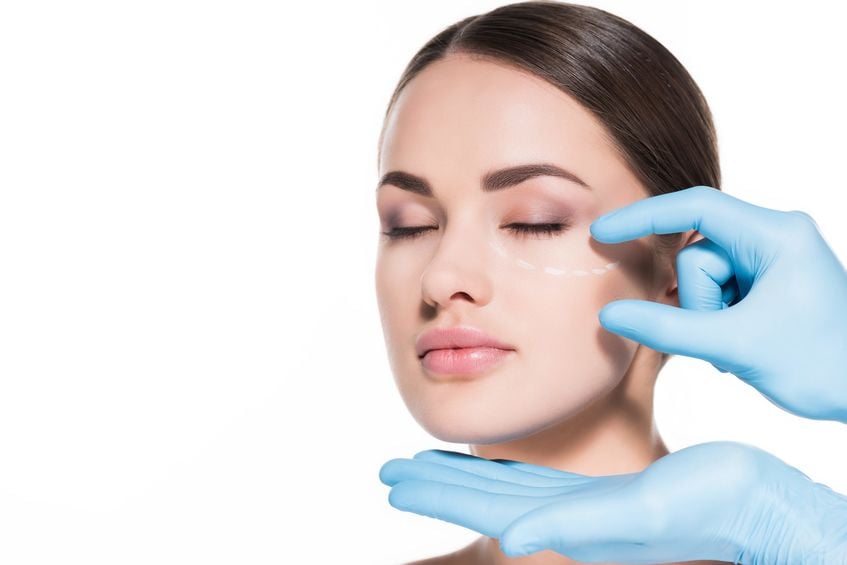
Modern lower blepharoplasty uses fat repositioning and preservation to smooth under-eye bags while maintaining natural volume and a refreshed appearance.
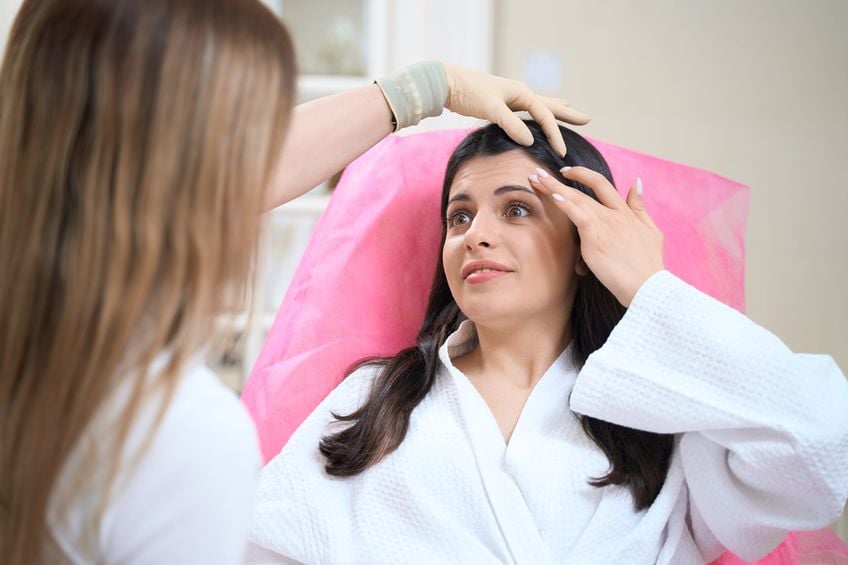
Aging around the eyes needs a specific procedure. Learn whether blepharoplasty or a brow lift is best.
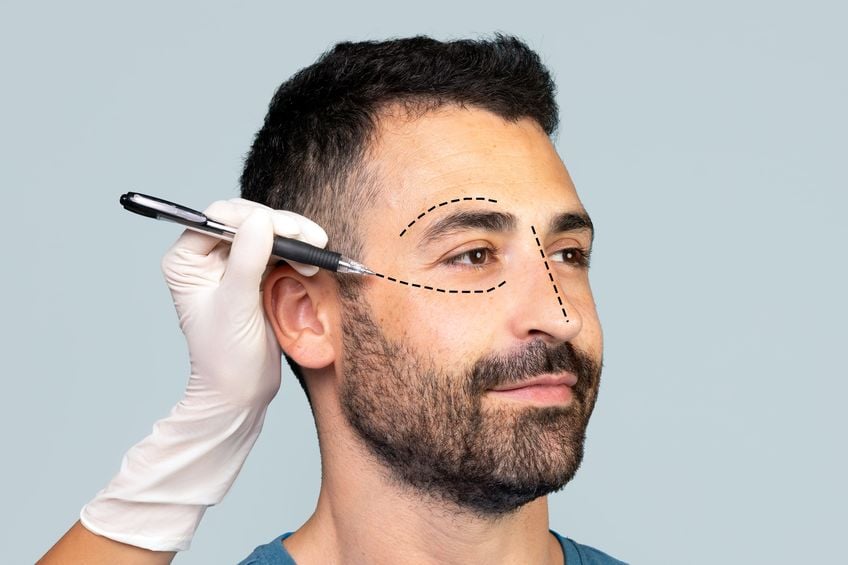
Turn back the clock on tired eyes. See how combining upper and lower blepharoplasty restores both appearance and function.
A facelift can tighten loose skin, but surgery cannot undo years of sun damage or poor skin health. Learn why skin quality matters before surgery.