
Share
Share
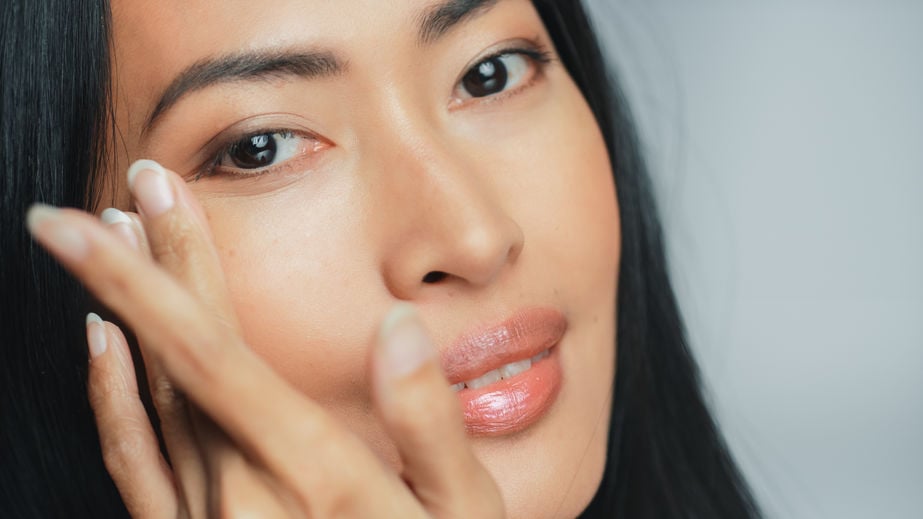
No More Tired Eyes
Drooping lids and puffy under-eyes affect more than appearance. Heavy lids can blur vision, while lower bags beneath the eyes create a tired look that makeup cannot hide. Over time, these changes chip away at comfort and confidence. Blepharoplasty, or eyelid surgery, addresses these problems by removing or reshaping extra skin and tissue for a clearer, more refreshed look.
Why eyes show age first
The skin around the eyes is among the thinnest on the body, making it one of the first places to show signs of aging. Over time, skin loses elasticity, muscles weaken, and fat beneath the eyes shifts or pushes forward. Sun exposure, smoking, and lack of sleep can speed up the process, while genetics may cause sagging lids or under-eye bags to appear earlier than expected. These natural changes explain why even well-rested eyes can look tired, and why surgery can help when other solutions do not.
Lifting heavy lids
Upper blepharoplasty reduces the weight of skin and muscle that sag over the upper eyelid. Extra folds can press onto the lashes or block part of the view. Surgery lifts this skin and reshapes the lid so the eyes feel lighter and look more open. The change often means sharper vision and a more alert appearance. Recovery from upper lid surgery is usually straightforward and, for many, shorter than with lower lid work.
Goodbye puffiness
Lower blepharoplasty tackles the bulges and loose skin that settle under the eyes. Fat pockets often push forward in this area, creating shadows and puffiness that rest cannot undo. Surgery smooths the skin and repositions or removes fat to flatten the under-eye bags. The effect is a more rested look instead of eyes that always appear tired. Recovery takes longer here, since the skin beneath the eye is delicate and quick to bruise.
A complete eye refresh
Upper and lower blepharoplasty can be performed in the same surgery. Many choose this option to address heaviness above the eyes and puffiness below them at once. Combining the procedures means going through a single round of anesthesia, a shared recovery period, and a balanced result across both lids. Recovery may take longer than with an upper-only surgery, but the overall process often feels more efficient than spacing out both procedures.
Results that last
Both upper and lower blepharoplasty deliver changes that last for years. Aging still continues, but the improvements hold well beyond the recovery stage. Sun protection, proper rest, and skin care help keep results longer. Many people find the benefits last a decade or more before skin changes return in a noticeable way.
A difference you can feel
Blepharoplasty is often seen as cosmetic, yet the results go further. Clearer vision, smoother reading, and safer driving often follow upper lid surgery. Lower lid surgery can restore a rested, approachable look that matches how a person feels inside. Whether the goal is function or appearance, the benefits extend into confidence and daily life far beyond the mirror.
Related Posts...
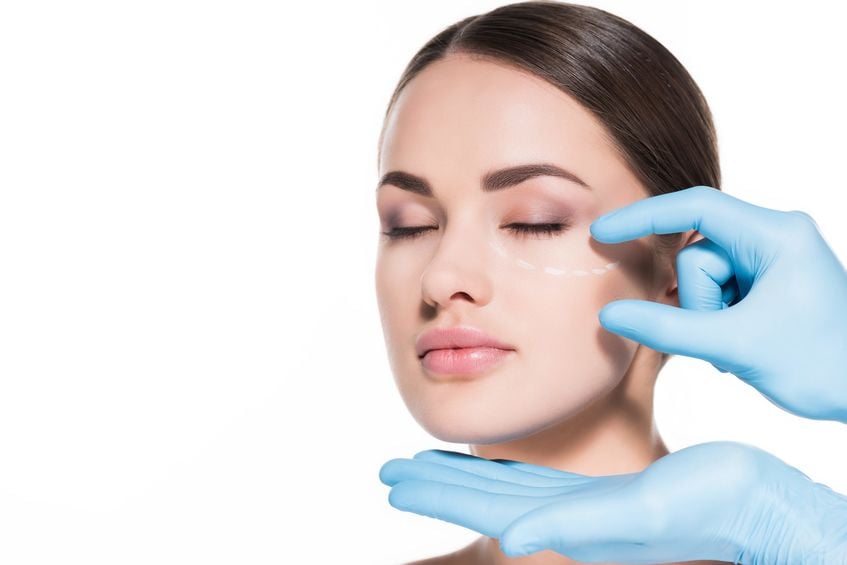
Modern lower blepharoplasty uses fat repositioning and preservation to smooth under-eye bags while maintaining natural volume and a refreshed appearance.
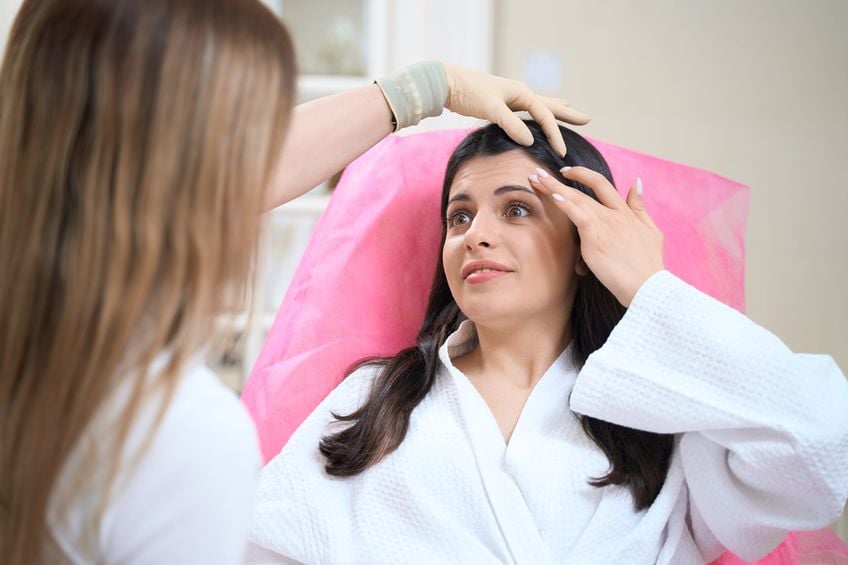
Aging around the eyes needs a specific procedure. Learn whether blepharoplasty or a brow lift is best.
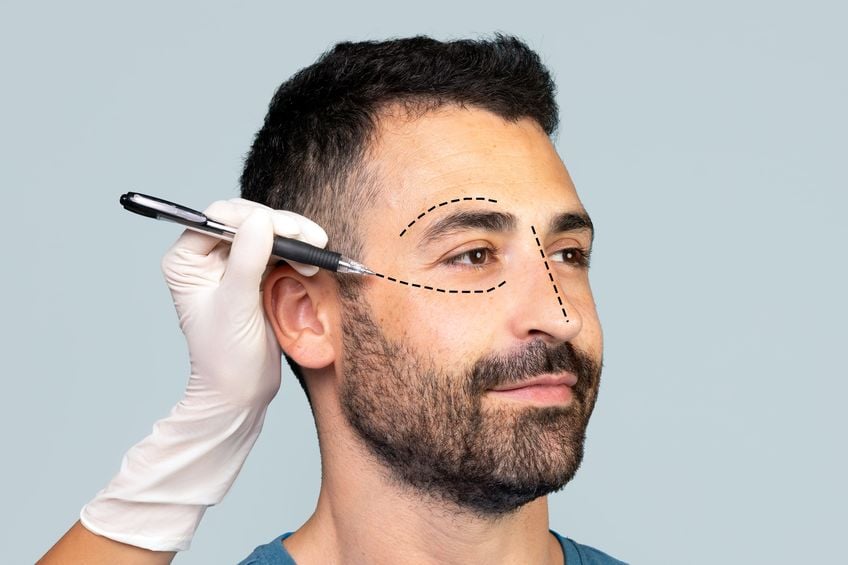
Turn back the clock on tired eyes. See how combining upper and lower blepharoplasty restores both appearance and function.
A facelift can tighten loose skin, but surgery cannot undo years of sun damage or poor skin health. Learn why skin quality matters before surgery.