
Share
Share
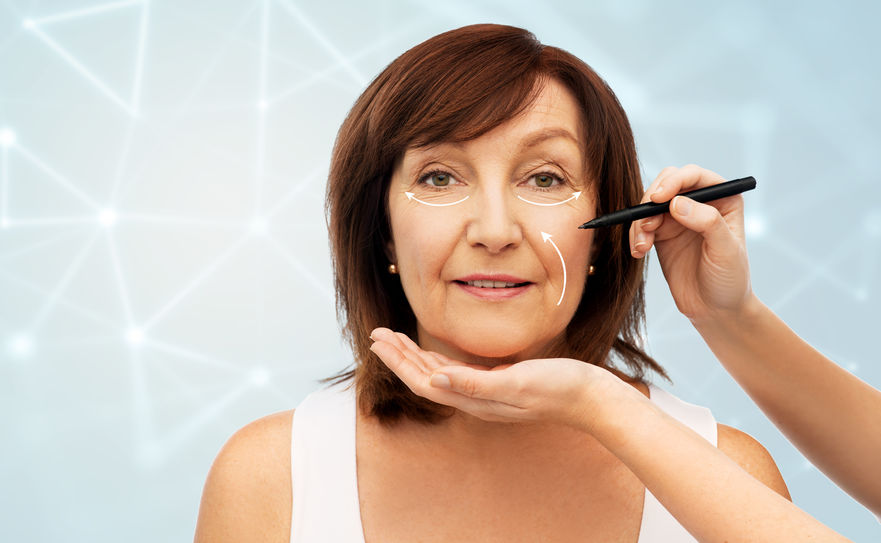
Timing Your Facelift Perfectly
Deciding to undergo a facelift is a profoundly personal decision, often considered when visible signs of aging begin to affect self-image. While some individuals notice changes in the 40s, other people may wait until the 50s or beyond to explore plastic surgery options. Genetics, lifestyle factors, and sun exposure all contribute to the progression of facial aging. There is no single right age, but asking the following questions can help individuals determine the ideal timing. Before scheduling a consultation, consider asking these 3 questions.
1. Are early signs of aging bothersome?
Skin laxity, jowls, and deepening lines along the lower face often signal the beginning of age-related changes. Non-surgical options, such as fillers or skin tightening treatments, may be effective in the early stages of aging. However, if less invasive treatments no longer provide satisfactory results, a facelift may be necessary for more lasting improvement. Persistent dissatisfaction with the jawline or cheeks may justify exploring surgical solutions.
2. Has skin quality started to decline?
Facial skin naturally loses elasticity and collagen over time. Thinner, sagging skin or diminished volume can make the face appear tired or drawn. These changes become more apparent after the age of 45, although some individuals experience declining skin quality earlier. A facelift does not improve surface texture, but when combined with skin treatments, the procedure can address multiple signs of aging. If over-the-counter or less invasive treatments are no longer effective in improving the appearance of the skin, surgery may be the solution.
3. Are you mentally and physically ready?
A facelift is a surgical procedure, so both emotional readiness and physical health are essential factors. Good candidates for surgery are generally in stable health, avoid smoking, and have realistic expectations. Recovery time also matters, as swelling and bruising may last several weeks. Choosing surgery should align with personal timing, not pressure from others. A strong motivation to feel refreshed and confident is more important than rushing the procedure.
Discuss options with a trusted provider
An experienced facial plastic surgeon can evaluate individual anatomy, review goals, and recommend the most appropriate timing for a facelift. A consultation may reveal that less invasive options are still effective and that a facelift can be put off for a few more years. For patients considering surgery, a board-certified provider can explain the process, recovery, and results in detail. Exploring all choices ensures an informed decision.
Timing your transformation
The best age for a facelift depends on facial aging, skin condition, and personal comfort, not a specific number. Asking key questions can help clarify whether the time feels right. Some individuals feel ready at 40, while other people wait until later in life to go under the knife. A thoughtful approach leads to better outcomes and higher satisfaction. Cosmetic decisions are deeply personal, and when made for the right reasons, a facelift can be empowering at any age.
Related Posts...
Modern lower blepharoplasty uses fat repositioning and preservation to smooth under-eye bags while maintaining natural volume and a refreshed appearance.
Aging around the eyes needs a specific procedure. Learn whether blepharoplasty or a brow lift is best.
Turn back the clock on tired eyes. See how combining upper and lower blepharoplasty restores both appearance and function.
A facelift can tighten loose skin, but surgery cannot undo years of sun damage or poor skin health. Learn why skin quality matters before surgery.