
Share
Share
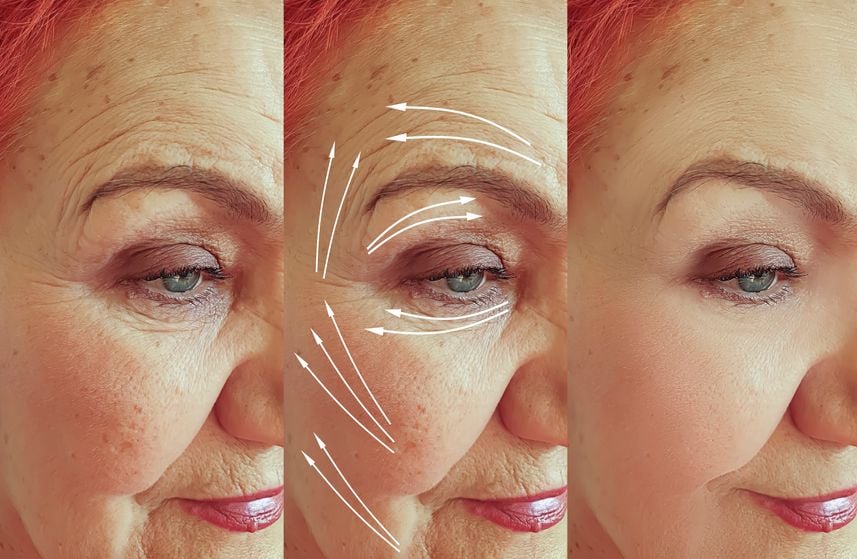
Have Deep Plane Facelifts Changed The Game?
Facial rejuvenation has come a long way in the last few decades. Facelifts had the primary aim of smoothing and tightening the skin. However, without considering the complexity of facial structures, the tighter appearance of patients results in a pulled, unnatural look. Deeper research and understanding of facial anatomy and cosmetic surgery have led to the development of various techniques. The deep plane facelift, for instance, has set a new gold standard in cosmetic surgery. The procedure offers natural-looking results that last longer than older techniques. People who choose facelifts discover that procedures like deep-plane facelifts are transforming how aging is addressed. For many, this procedure may be the future of facial rejuvenation.
What is a deep plane facelift?
Facelifts address the signs of aging by adjusting or manipulating tissue, muscle, and skin to improve moderate to severe signs of aging. A deep-plane facelift targets the structures beneath the superficial musculoaponeurotic system (SMAS), the initial layers of skin and muscle tissue. Unlike traditional facelifts that primarily lift the skin, the deep plane technique works beneath the surface. Surgeons release and reposition the deeper layers of tissue, including muscle and fat pads. The surgeon may lift the SMAS together with the skin. By adjusting these deeper structures rather than pulling only on the skin, the procedure delivers a softer, more youthful appearance. Patients benefit from results that look refreshed and natural, rather than surgically altered.
Results that redefine aging
Deep plane facelifts have changed how patients view cosmetic procedures. One of the most significant advantages of a deep plane facelift is its longevity. Traditional facelifts last around 7–10 years, while deep-plane results can last 12–15 years or more. Because the deeper layers are repositioned, the improvements align more effectively with the natural aging process. For 40, 50, or 60-year-old patients, this means fewer repeat surgeries. Patients also feel more confident knowing that the investment in facial rejuvenation has a long-term impact.
Natural-looking outcome patients love
Deep-plane facelifts also align with the changing demands of the cosmetic industry. Patients want subtlety and natural-looking results. Ensuring the patient does not look like a facelift was done is almost as important as the procedure. The deep-plane facelift excels at this by restoring youthful cheek contours, smoothing nasolabial folds, and lifting the jawline. The procedure provides more balance, helping maintain the patient’s looks. Traditional facelifts may appear over-tightened, but the outcome of a deep plane facelift is a face that looks well-rested and vibrant. Friends and family often comment that patients look healthier, happier, or a perceived age of several years younger than before.
Works well with others
While a deep-plane facelift addresses sagging tissue, wrinkles, and contour issues, many patients also benefit from complementary procedures. Eyelid surgery, for instance, can brighten tired eyes or address sagging eyelids. A neck lift can address sagging skin under the neck or a double chin, while fat grafting restores volume lost with age. Non-surgical treatments, such as laser resurfacing, chemical peels, or injectables, look even better after facelifts. By combining approaches, patients enjoy results that rejuvenate the entire face, not just one area. This holistic strategy extends the benefits and natural appeal of the deep plane facelift.
Is this the future?
The rise of the deep plane facelift is no coincidence. Statistics show that surgeons perform over 130,000 facelifts yearly. As a result, patients would demand options that address aging concerns without taking away authenticity. A deep plane targets the facial structures that directly impact the root causes. Other facelifts, while effective, may only address the surface. Along with high satisfaction rates, there is a reduced need for revision surgeries. The results blend seamlessly with a patient’s natural beauty. For individuals with moderate signs of aging, the procedure is becoming the preferred choice for long-lasting rejuvenation.
Redefining how we age
Considering a facelift is no longer considered taboo. Aging gracefully is a right everyone should exercise, and these new frontiers in facelifts help. Facial rejuvenation does more than turn back the clock. Procedures like deep-plane facelifts help patients enter new stages of life with confidence. Deep-plane facelifts create an improved look by addressing sagging, jowls, and other concerns while remaining natural. Patients are seen as a younger version rather than someone with a pulled, unnatural look. Combining procedures also maximizes the results. The technique addresses aging at its core, setting a new standard for what patients can expect from future cosmetic procedures.
Related Posts...
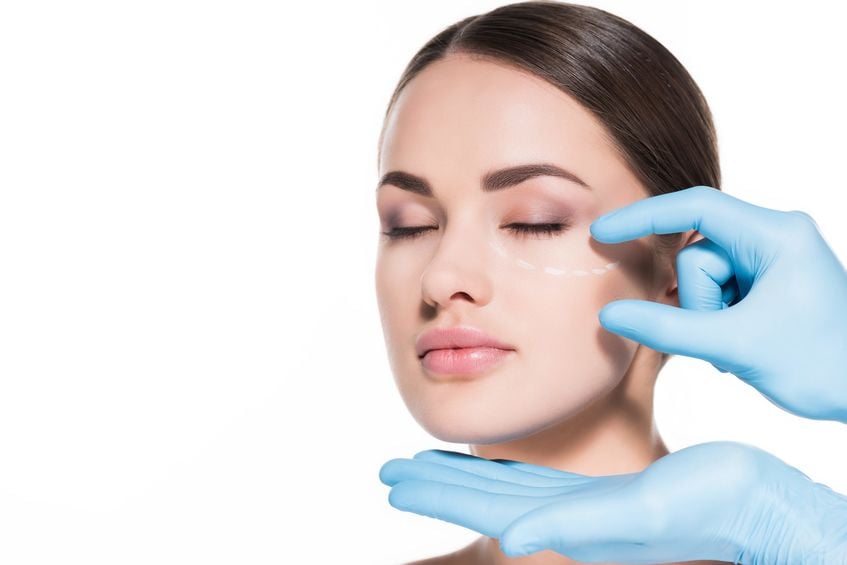
Modern lower blepharoplasty uses fat repositioning and preservation to smooth under-eye bags while maintaining natural volume and a refreshed appearance.

Aging around the eyes needs a specific procedure. Learn whether blepharoplasty or a brow lift is best.
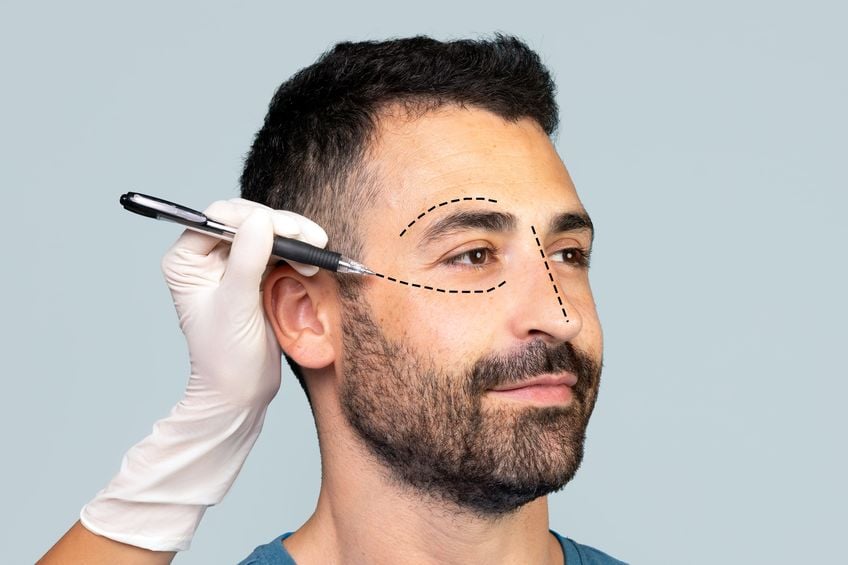
Turn back the clock on tired eyes. See how combining upper and lower blepharoplasty restores both appearance and function.
A facelift can tighten loose skin, but surgery cannot undo years of sun damage or poor skin health. Learn why skin quality matters before surgery.